

American Jewish Congress Print, 1974
Form
Medium
Size
- Inches
- Centimeters
Edition
Price
- Authenticity Guaranteed
- Insured Shipping
- Online Since 2005

Louise Nevelson
Sky Flower, 1977
Limited Edition Print
Collage
USD 5,000 - 6,000
Louise Nevelson
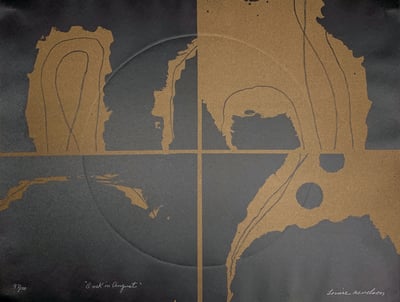
Dusk in August from Portfolio 9, 1967
Limited Edition Print
Lithograph
USD 1,950

Louise Nevelson
Senza titolo, 1975
Limited Edition Print
Screen-print
EUR 3,700

Louise Nevelson
Bicentennial Dawn, 1976
Limited Edition Print
Serigraph
USD 1,450

Louise Nevelson
Winter chord, 1974
Sculpture / Object
Wood
EUR 14,850

Louise Nevelson
Untitled (Red Rectangle on Black), 1975
Limited Edition Print
Silkscreen
EUR 5,450

Louise Nevelson
Nursery rhyme, 1966
Limited Edition Print
Serigraph
Inquire For Price

Louise Nevelson
Lullaby for Jumbo, 1966
Limited Edition Print
Serigraph
Currently Not Available

Louise Nevelson
Dark song, 1966
Limited Edition Print
Serigraph
Currently Not Available
Available works by Louise Nevelson
See all →Louise Nevelson
Sky Flower, 1977
Limited Edition Print
Collage
USD 5,000 - 6,000
Louise Nevelson
Dusk in August from Portfolio 9, 1967
Limited Edition Print
Lithograph
USD 1,950
Louise Nevelson
Senza titolo, 1975
Limited Edition Print
Screen-print
EUR 3,700
Louise Nevelson
Bicentennial Dawn, 1976
Limited Edition Print
Serigraph
USD 1,450
Louise Nevelson
Winter chord, 1974
Sculpture / Object
Wood
EUR 14,850
Louise Nevelson
Untitled (Red Rectangle on Black), 1975
Limited Edition Print
Silkscreen
EUR 5,450
Related Artists
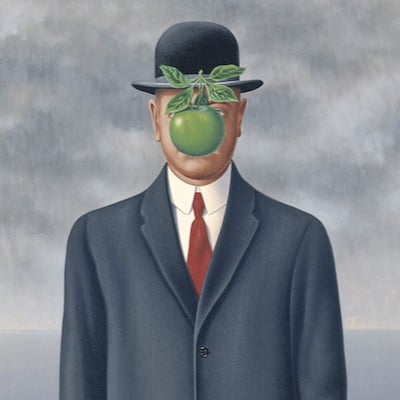
What is Surrealism?
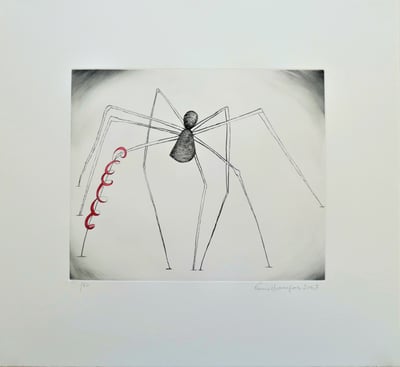
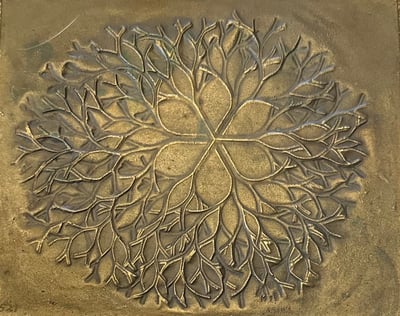
Surrealism began in the 1920s as an art and literary movement with the goal of revealing the unconscious mind and unleashing the imagination by exploring unusual and dream-like imagery. Influenced by Sigmund Freud’s theories of psychoanalysis, Surrealist artists and writers sought to bring the unconscious into rational life, blurring the lines between reality and dreams. The movement aimed to challenge conventional perceptions and express the irrational aspects of the human experience.


