


Portfolio of 113 Digital prints
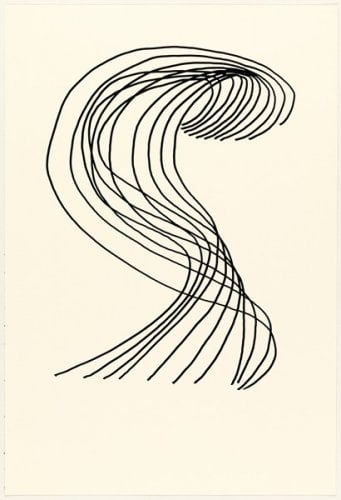
Two Parallel Lines by Luis Camnitzer is a conceptual digital print from 2014, part of a portfolio of 113 digital prints. This work explores language, meaning, and interpretation, presented through a grid format where each cell contains a line of fabric, thread, or ribbon alongside descriptive text. Each line fragment and accompanying phrase examines the essence of a line—whether as a boundary, connection, or narrative element. Camnitzer uses language as both a visual and intellectual element, prompting viewers to question the nature of representation and the relationship between objects and their descriptions. This print reflects Camnitzer's focus on blending text and imagery to explore philosophical and poetic ideas, making the viewer an active participant in interpreting the work.
Artwork Copyright © Luis CamnitzerLuis Camnitzer (Uruguay, 1937) is a conceptual artist, writer, and educator whose work critiques politics, power, and cultural systems. Employing text, installations, and prints, he explores themes of memory, identity, and societal structures. A pioneer of Latin American conceptual art, Camnitzer’s influence extends globally through his art and teachings.
Artwork Copyright © Luis CamnitzerTwo Parallel lines , 2014
Form
Medium
Size
- Inches
- Centimeters
Edition
Price
- USD
- EUR
- GBP
- CHF
- Authenticity Guaranteed
- Insured Shipping
- Online Since 2005
●Inventory 2872
●Signed
●Comes with gallery invoice and certificate
●Any questions?
Portfolio of 113 Digital prints
Two Parallel Lines by Luis Camnitzer is a conceptual digital print from 2014, part of a portfolio of 113 digital prints. This work explores language, meaning, and interpretation, presented through a grid format where each cell contains a line of fabric, thread, or ribbon alongside descriptive text. Each line fragment and accompanying phrase examines the essence of a line—whether as a boundary, connection, or narrative element. Camnitzer uses language as both a visual and intellectual element, prompting viewers to question the nature of representation and the relationship between objects and their descriptions. This print reflects Camnitzer's focus on blending text and imagery to explore philosophical and poetic ideas, making the viewer an active participant in interpreting the work.
Artwork Copyright © Luis CamnitzerLuis Camnitzer (Uruguay, 1937) is a conceptual artist, writer, and educator whose work critiques politics, power, and cultural systems. Employing text, installations, and prints, he explores themes of memory, identity, and societal structures. A pioneer of Latin American conceptual art, Camnitzer’s influence extends globally through his art and teachings.
Artwork Copyright © Luis Camnitzer- Recently Added
- Price (Low-High)
- Price (High-Low)
- Year (Low-High)
- Year (High-Low)
Luis Camnitzer
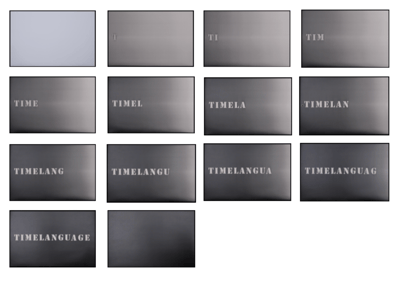
TIMELANGUAGE, 2016
Limited Edition Print
Mixed Media
EUR 35,000
Luis Camnitzer
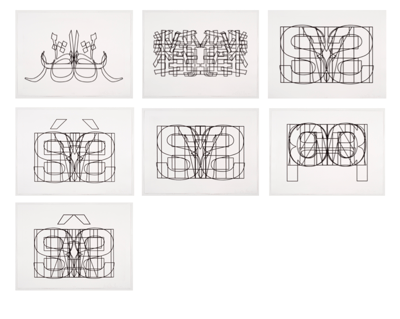
Symmetrical Jails, 2014
Limited Edition Print
Etching
USD 50,000

Luis Camnitzer
Two Parallel lines , 2014
Limited Edition Print
Digital Print on paper
EUR 9,000
Related Artists



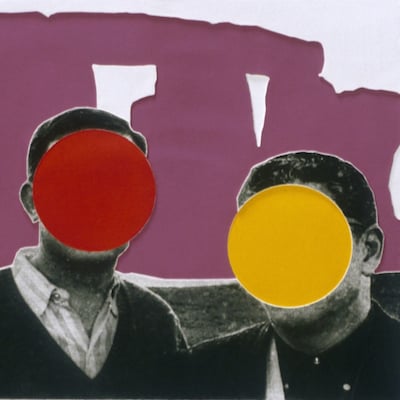
Artwork by John Baldessari
What is conceptual art?
Sometimes referred to as Conceptualism, this is an art form where the idea(s) or concept(s) behind the work take precedence over material concerns and traditional aesthetics. Many conceptual artworks can be created by anyone simply by following written instructions. The concept or idea is the most essential aspect of the artwork.



