

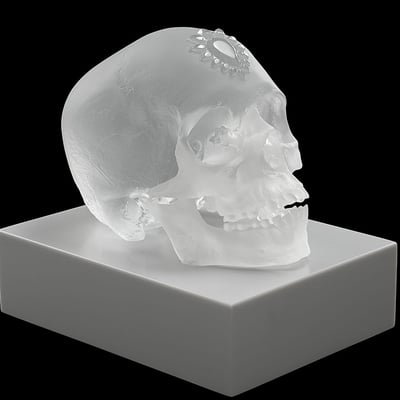
Sphinx (gold leaf), 2011
Form
Medium
Size
- Inches
- Centimeters
Edition
Price
- Authenticity Guaranteed
- Insured Shipping
- Online Since 2005

Marc Quinn
Sepas Mous, 2009
Limited Edition Print
Mixed Media
GBP 3,600

Marc Quinn
On the Shore of the Orissa, 2012
Limited Edition Print
Pigment print
GBP 3,600

Marc Quinn
Orchids, 2012
Painting
Mixed Media
GBP 4,500 - 5,800

Marc Quinn
At the Far Edges of the Universe 7, 2010
Limited Edition Print
Mixed Media
GBP 2,400

Marc Quinn
At the Far Edges of the Universe 6, 2010
Limited Edition Print
Pigment print
GBP 2,400

Marc Quinn
Ice Age, 2023
Limited Edition Print
Mixed Media
USD 4,000 - 7,000

Marc Quinn
Untitled - Plate 3 from the Garden 2, 2000
Limited Edition Print
Pigment print
USD 3,100

Marc Quinn
Prismatic Labyrinth (354 U), 2018
Limited Edition Print
Mixed Media
USD 2,500

Marc Quinn
Prismatic Labyrinth (299 U), 2018
Limited Edition Print
Mixed Media
USD 2,500

Marc Quinn
Prismatic Labyrinth (102 U), 2018
Limited Edition Print
Mixed Media
USD 2,500
Available works by Marc Quinn
See all →Marc Quinn
Sepas Mous, 2009
Limited Edition Print
Mixed Media
GBP 3,600
Marc Quinn
On the Shore of the Orissa, 2012
Limited Edition Print
Pigment print
GBP 3,600
Marc Quinn
Orchids, 2012
Painting
Mixed Media
GBP 4,500 - 5,800
Marc Quinn
At the Far Edges of the Universe 7, 2010
Limited Edition Print
Mixed Media
GBP 2,400
Marc Quinn
At the Far Edges of the Universe 6, 2010
Limited Edition Print
Pigment print
GBP 2,400
Marc Quinn
Ice Age, 2023
Limited Edition Print
Mixed Media
USD 4,000 - 7,000
Related Artists


What is new figuration?
Neo-Figurative Art is a collective term that refers to the revival of figurative art in America and Europe during the 1960s, following a period dominated by abstraction. Michel Ragon, a French art critic, argued that this resurgence of figuration occurred during a critical time of social and political upheaval in both regions.


