

Binding, 2015-2016
Form
Medium
Size
- Inches
- Centimeters
Price
- Authenticity Guaranteed
- Insured Shipping
- Online Since 2005
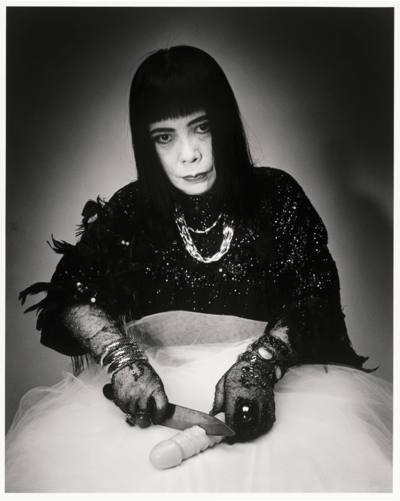
Nobuyoshi Araki
Kusama Yayoi, 2001
Photography
Gelatin Silver Print
USD 6,500

Nobuyoshi Araki
Yakuza (Tokyo Comedy), 1997
Photography
Gelatin Silver Print
Inquire For Price
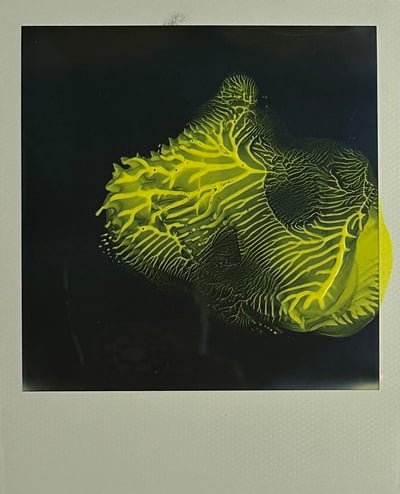
Nobuyoshi Araki
Untitled 6, 2005
Photography
Polaroid
USD 1,400
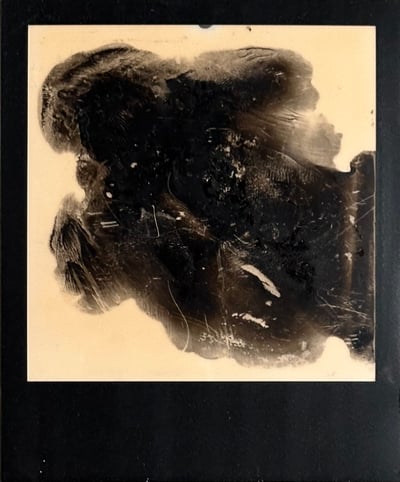
Nobuyoshi Araki
Untitled 11, 2005
Photography
Polaroid
USD 1,400
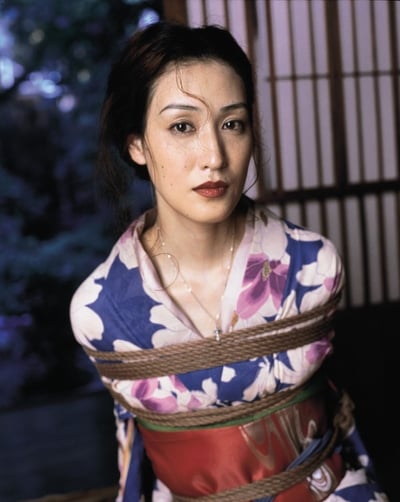
Nobuyoshi Araki
Bondage Girl, 1997
Photography
C-Print
Inquire For Price
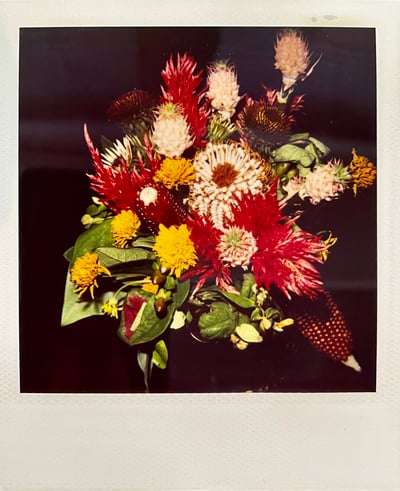
Nobuyoshi Araki
Polaroid #1
Photography
Polaroid
USD 1,150

Nobuyoshi Araki
Untitle from Erotos, 1993
Photography
Gelatin Silver Print
USD 7,000

Nobuyoshi Araki
Colorscapes (s), 1991
Photography
Lambda print
USD 8,800

Nobuyoshi Araki
Mythology, 2001/2019
Photography
Gelatin Silver Print
EUR 5,000

Nobuyoshi Araki
Polaroid #10, 2009
Photography
Polaroid
EUR 950

Nobuyoshi Araki
Bondage Series #3, 1997
Photography
C-Print
Inquire For Price

Nobuyoshi Araki
Sentimental Journey, 1971
Photography
Gelatin Silver Print
Currently Not Available

Nobuyoshi Araki
Binding, 2015-2016
Photography
Photograph
Currently Not Available

Nobuyoshi Araki
Personal sentimentalism in photography, 2000
Photography
Photograph
Currently Not Available
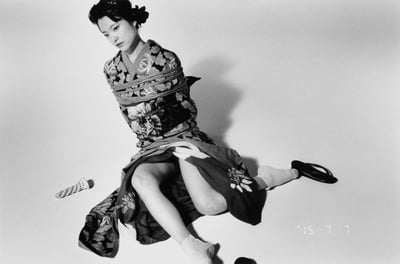
Nobuyoshi Araki
Kaori, 2017
Photography
Gelatin Silver Print
Currently Not Available
Available works by Nobuyoshi Araki
See all →Nobuyoshi Araki
Kusama Yayoi, 2001
Photography
Gelatin Silver Print
USD 6,500
Nobuyoshi Araki
Yakuza (Tokyo Comedy), 1997
Photography
Gelatin Silver Print
Inquire For Price
Nobuyoshi Araki
Untitled 6, 2005
Photography
Polaroid
USD 1,400
Nobuyoshi Araki
Untitled 11, 2005
Photography
Polaroid
USD 1,400
Nobuyoshi Araki
Bondage Girl, 1997
Photography
C-Print
Inquire For Price
Nobuyoshi Araki
Polaroid #1
Photography
Polaroid
USD 1,150
Related Artists




What is contemporary art?
Contemporary art refers to avant-garde or innovative art created in the recent past or present day. The exact starting point of contemporary art varies depending on the institution, often tied to the founding year of museums or galleries that showcase the style. Contemporary art is characterized by its focus on current ideas, diverse media, and the exploration of new concepts and techniques.

Nobuyoshi Araki
Binding, 2015-2016
42.8 x 35.5 cm


