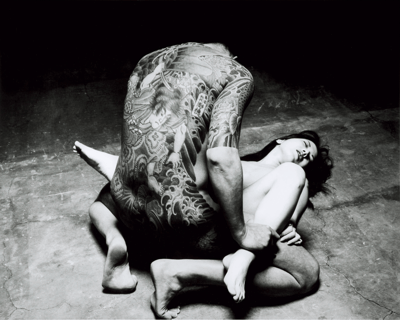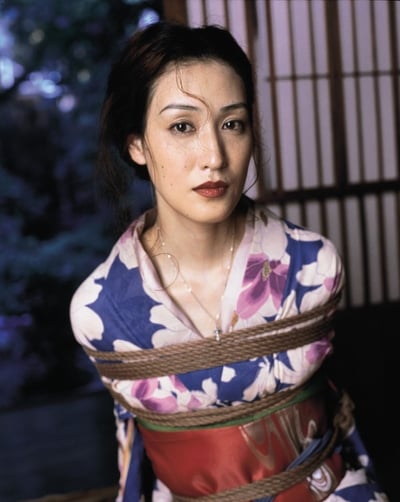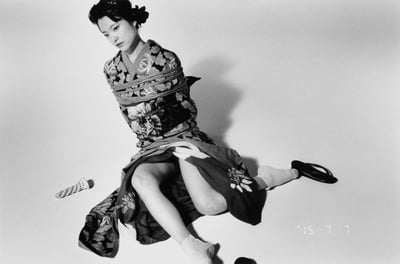
Nobuyoshi Araki's Kimbaku (2007) is a striking C-Print that explores the Japanese art of bondage, known as shibari. This photograph captures a suspended figure, bound by ropes, emphasizing vulnerability and erotic tension. The body is inverted, highlighting the tension between constraint and freedom, with the stark contrast between the pale skin and the surrounding darkness adding a dramatic effect. Araki's work often delves into themes of intimacy and eroticism, and Kimbaku is no exception, provoking both discomfort and fascination through its bold depiction of restraint.
Nobuyoshi Araki (Japan, 1940) is a groundbreaking photographer known for his provocative and emotive exploration of themes like love, death, and eroticism. Famed for his series Sentimental Journey and Tokyo Lucky Hole, his work blends traditional Japanese aesthetics with raw, modern sensibilities. Araki’s innovative approach has made him one of Japan’s most influential contemporary artists.
C-PrintA C-type print, also known as a chromogenic print, is a photographic print made from a color negative or slide. The print is created on chromogenic paper, which contains three emulsion layers, each sensitized to a different primary color. After exposure, the paper is processed in a series of chemical baths, where each layer reacts to the chemicals to produce the final image. C-type prints are known for their rich color depth and are widely used in fine art and commercial photography.
Nobuyoshi Araki's Kimbaku (2007) is a striking C-Print that explores the Japanese art of bondage, known as shibari. This photograph captures a suspended figure, bound by ropes, emphasizing vulnerability and erotic tension. The body is inverted, highlighting the tension between constraint and freedom, with the stark contrast between the pale skin and the surrounding darkness adding a dramatic effect. Araki's work often delves into themes of intimacy and eroticism, and Kimbaku is no exception, provoking both discomfort and fascination through its bold depiction of restraint.
Nobuyoshi Araki (Japan, 1940) is a groundbreaking photographer known for his provocative and emotive exploration of themes like love, death, and eroticism. Famed for his series Sentimental Journey and Tokyo Lucky Hole, his work blends traditional Japanese aesthetics with raw, modern sensibilities. Araki’s innovative approach has made him one of Japan’s most influential contemporary artists.
Art is all about doing what you shouldn't.
- Nobuyoshi Araki
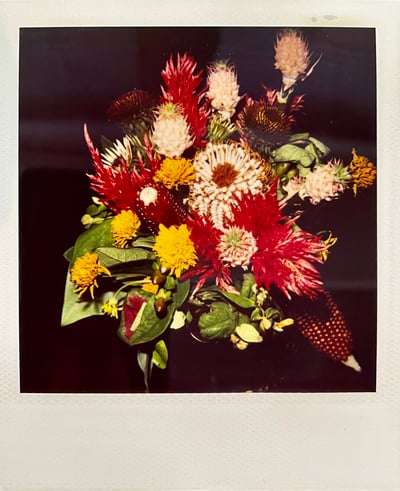
Nobuyoshi Araki has attracted a lot of attention around the world for his choice of photographic subjects and because of the artistic merits of his photography. His love of photography and Polaroids began when he was at infant school in Japan and he later studied film and photography at Chiba University. He became a leading Japanese artist after receiving the Taiyo Award in 1964 for his photography project about a boy called Satchin. His art has been heavily influenced by the rapid growth of commercialism and urbanization in Japan, which started in the decades following the end of World War Two. Many of his images also provide visual references to Japanese history and traditions. Street scenes, flowers, bondages, food, faces and Araki’s cat feature in much of his art, and the female body in Japanese bondage, representing sex and death, is a major theme in his work. More recently he has photographed female musicians such as Bjork and Lady Gaga. Nobuyoshi Araki has published many books of photography documenting his everyday life. He photographed his wife on their honeymoon and continued to use her image during their married life. Two of his published collections, Sentimental Journey (1971) and Winter Journey (1991), show images of his wife at the start of their marriage and in the final days before her death. Many of Araki’s photographs (Polaroids especially ) have been exhibited internationally in solo exhibitions and at contemporary art shows. His work is now included in major collections of modern photography and in permanent displays at a number of contemporary art museums. (Artist website)
Shock Art is an art movement that uses disturbing images, scents, or sounds to provoke a strong, often shocked, reaction from viewers. It is often regarded as a form of social commentary, with critics and supporters debating whether its impact is positive or negative. Shock Art frequently employs taboo, obscene, or outrageous elements to challenge societal norms and provoke critical thought.