

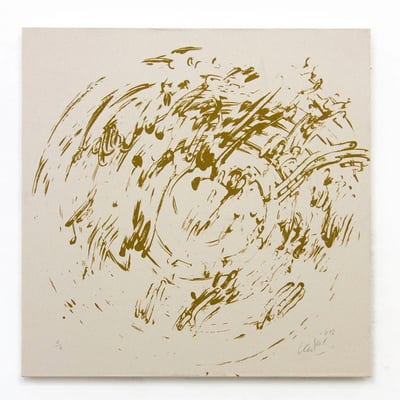
Nach dem Regenbogen, 1972
Form
Medium
Size
- Inches
- Centimeters
Edition
Price
- Authenticity Guaranteed
- Insured Shipping
- Online Since 2005
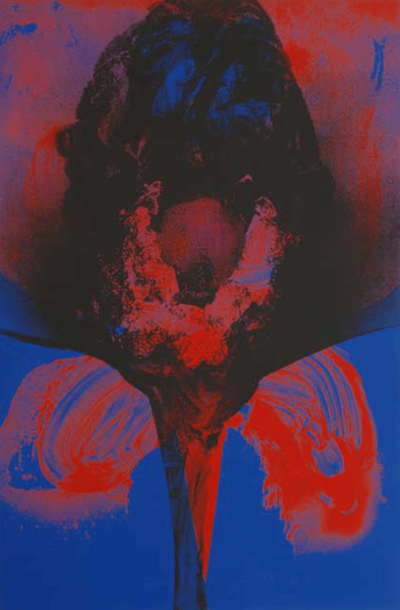
Otto Piene
Addis Abeba X, 1972
Limited Edition Print
Screen-print
EUR 3,400
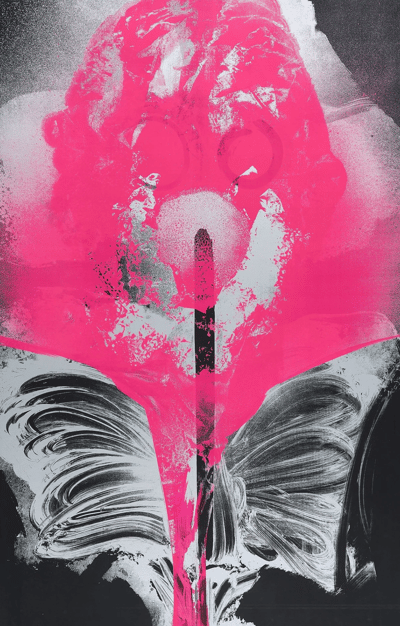
Otto Piene
Addis Abeba V, 1972
Limited Edition Print
Screen-print
EUR 3,300
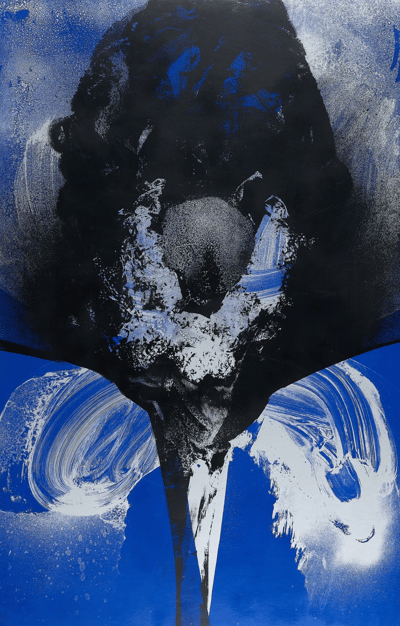
Otto Piene
Addis Abeba VI, 1972
Limited Edition Print
Screen-print
EUR 3,100
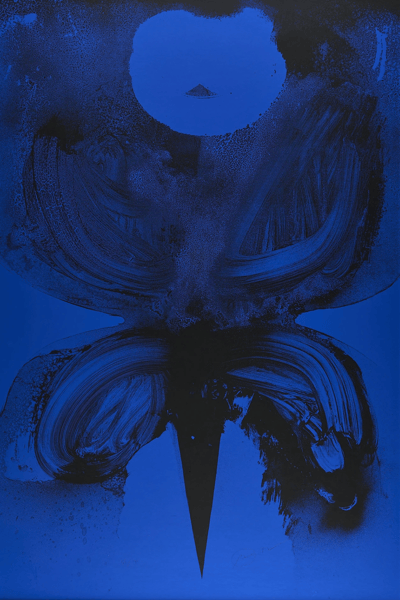
Otto Piene
Addis Abeba IX, 1972
Limited Edition Print
Screen-print
EUR 2,800
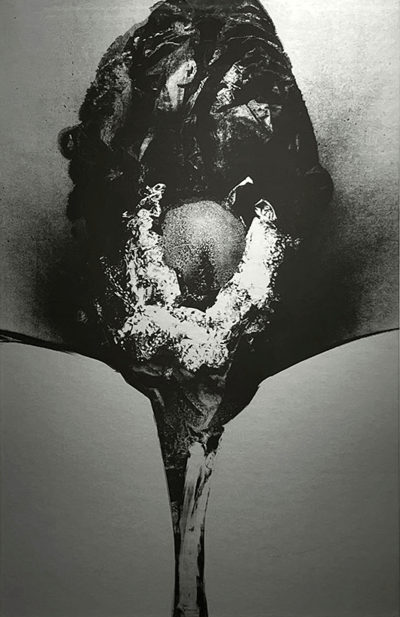
Otto Piene
Addis Abeba II, 1972
Limited Edition Print
Screen-print
EUR 2,800
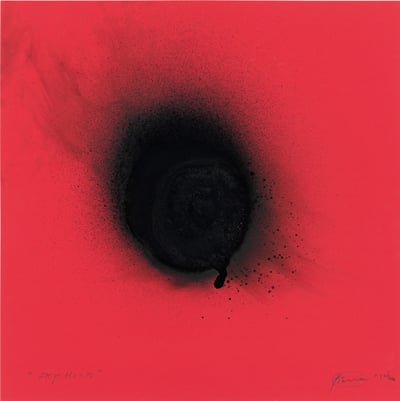
Otto Piene
Sky Hook, 2014
Painting
Gouache
Inquire For Price

Otto Piene
Addis Abeba, 1972
Limited Edition Print
Silkscreen
EUR 19,500

Otto Piene
Seuloeil (red), 1991
Limited Edition Print
Screen-print
EUR 2,600

Otto Piene
Seuloeil blau/schwarzes Auge, 1991
Limited Edition Print
Screen-print
EUR 2,600
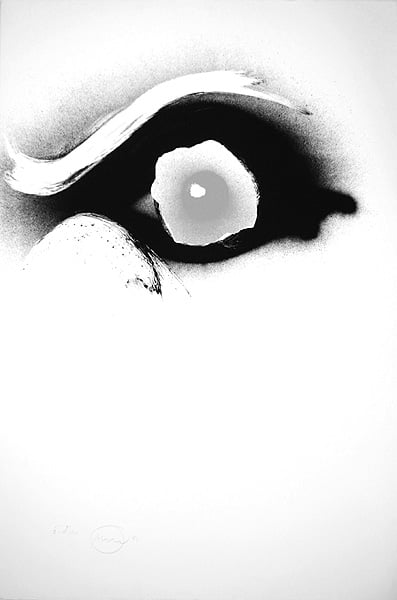
Otto Piene
Seuloeil (white), 1991
Limited Edition Print
Screen-print
EUR 2,600

Otto Piene
Zyklop Rot, 1984
Limited Edition Print
Mixed Media
EUR 2,400

Otto Piene
Zyklop Gelb, 1984
Limited Edition Print
Carborundum
EUR 2,400

Otto Piene
Addis Abeba 8, 1972
Limited Edition Print
Screen-print
EUR 3,200

Otto Piene
Blue Streak, 1980
Limited Edition Print
Screen-print
Currently Not Available

Otto Piene
Rastersonne, 2009
Ceramics
Mixed Media
Currently Not Available
Available works by Otto Piene
See all →Otto Piene
Addis Abeba X, 1972
Limited Edition Print
Screen-print
EUR 3,400
Otto Piene
Addis Abeba V, 1972
Limited Edition Print
Screen-print
EUR 3,300
Otto Piene
Addis Abeba VI, 1972
Limited Edition Print
Screen-print
EUR 3,100
Otto Piene
Addis Abeba IX, 1972
Limited Edition Print
Screen-print
EUR 2,800
Otto Piene
Addis Abeba II, 1972
Limited Edition Print
Screen-print
EUR 2,800
Otto Piene
Sky Hook, 2014
Painting
Gouache
Inquire For Price
Related Artists
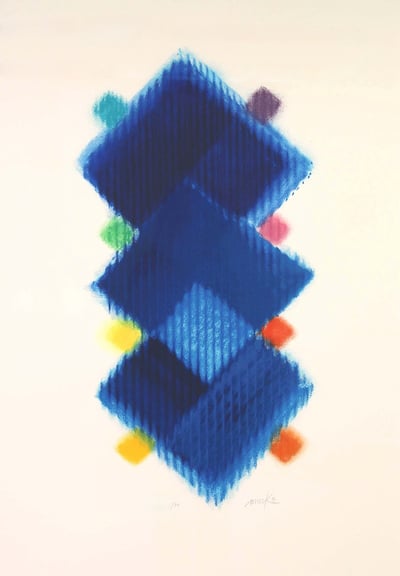

What is the Zero Movement?
ZERO was an art movement founded by Otto Piene and Heinz Mack, aiming to develop into a large international and cross-border movement. The name ZERO originated from a magazine founded by Heinz Mack in 1957, which became a platform for the group's ideas. The magazine was published for several years before ceasing in 1967. The ZERO movement sought to create a new beginning in art, emphasizing light, space, and movement, and became influential in post-war European art.


