
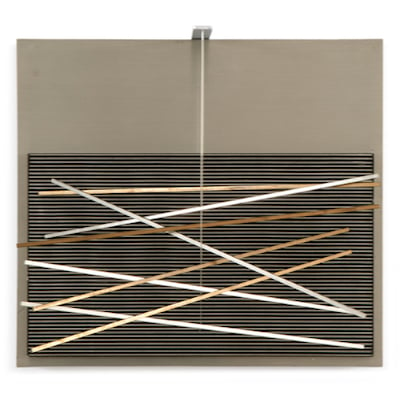
What is kinetic art?
- Show All
- Established
- Discoveries
- Show All
Artworks Related to Kinetic art
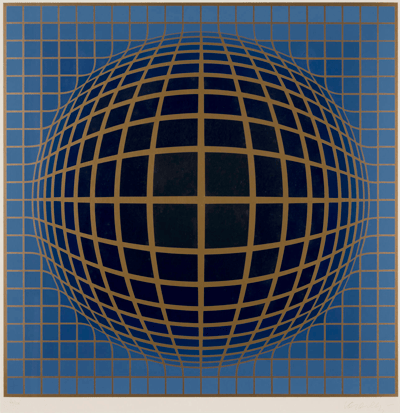
Victor Vasarely
B-Bomb-b (4), 1974
Limited Edition Print
Screen-print
Inquire For Price

Victor Vasarely
B-Bomb-b (3), 1974
Limited Edition Print
Screen-print
Inquire For Price

Victor Vasarely
B-Bomb-b (2), 1974
Limited Edition Print
Screen-print
Inquire For Price
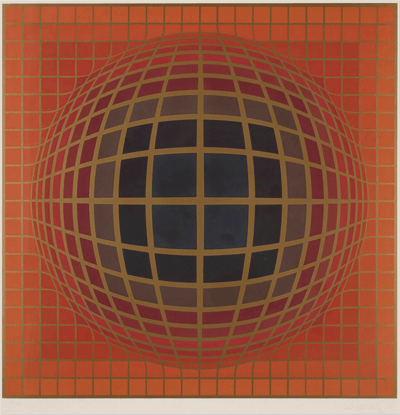
Victor Vasarely
B-Bomb-b (1), 1974
Limited Edition Print
Screen-print
Inquire For Price
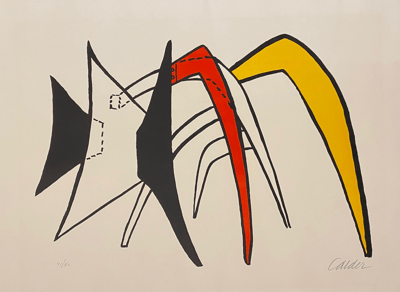
Alexander Calder
Stabiles, 1963
Limited Edition Print
Lithograph
USD 8,400
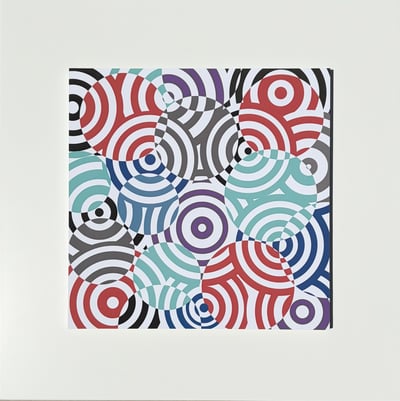
Antonio Asis
Interferences cercles de couleurs Gris Rouge, 2010
Limited Edition Print
Mixed Media
EUR 1,500
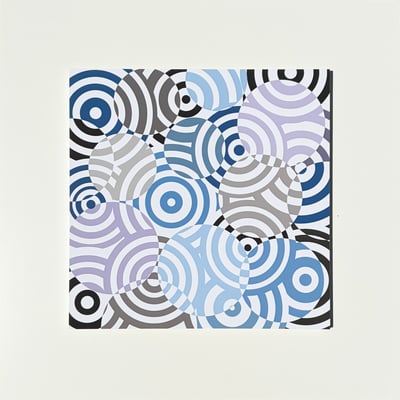
Antonio Asis
Interferences cercles de couleurs Gris Bleu, 2010
Limited Edition Print
Mixed Media
EUR 1,500
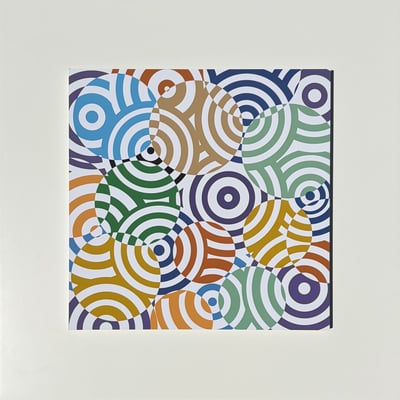
Antonio Asis
Interferences cercles de couleurs Gris Rouge Arc en Ciel, 2010
Limited Edition Print
Mixed Media
EUR 1,500

Victor Vasarely
Gordes Gestalt, 1948
Limited Edition Print
Etching
EUR 1,500
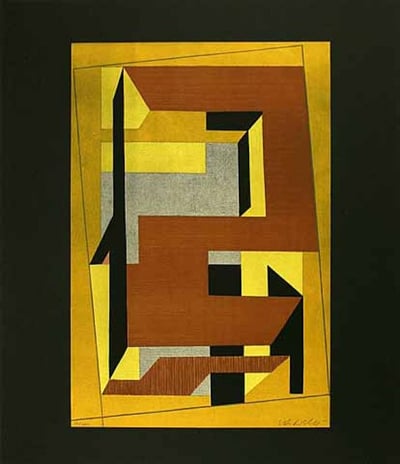
Victor Vasarely
Gordes Taira, 1971
Limited Edition Print
Lithograph
EUR 1,500

Victor Vasarely
La Certa, 1981
Limited Edition Print
Screen-print
EUR 1,400

Victor Vasarely
Gordes Tabor, 1971
Limited Edition Print
Lithograph
EUR 1,400
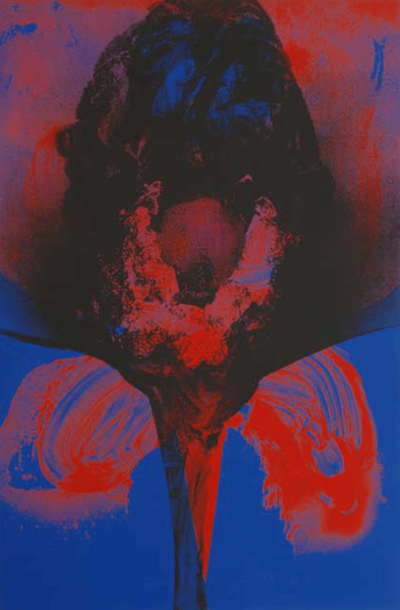
Otto Piene
Addis Abeba X, 1972
Limited Edition Print
Screen-print
EUR 3,400

Otto Piene
Addis Abeba V, 1972
Limited Edition Print
Screen-print
EUR 3,300
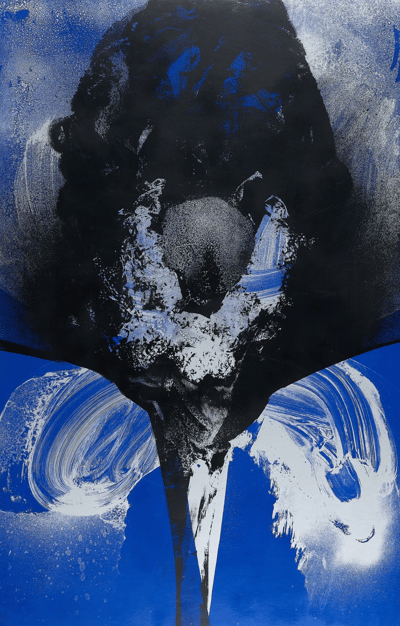
Otto Piene
Addis Abeba VI, 1972
Limited Edition Print
Screen-print
EUR 3,100
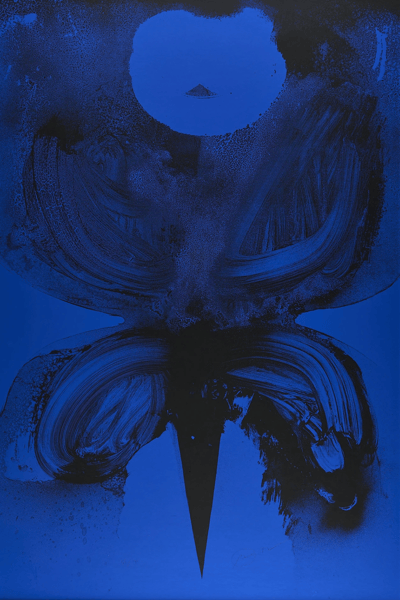
Otto Piene
Addis Abeba IX, 1972
Limited Edition Print
Screen-print
EUR 2,800
Related Articles

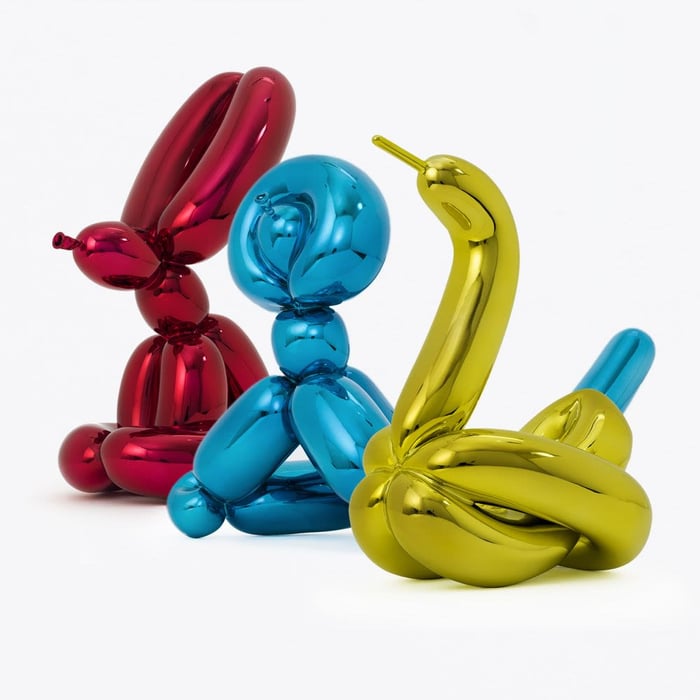
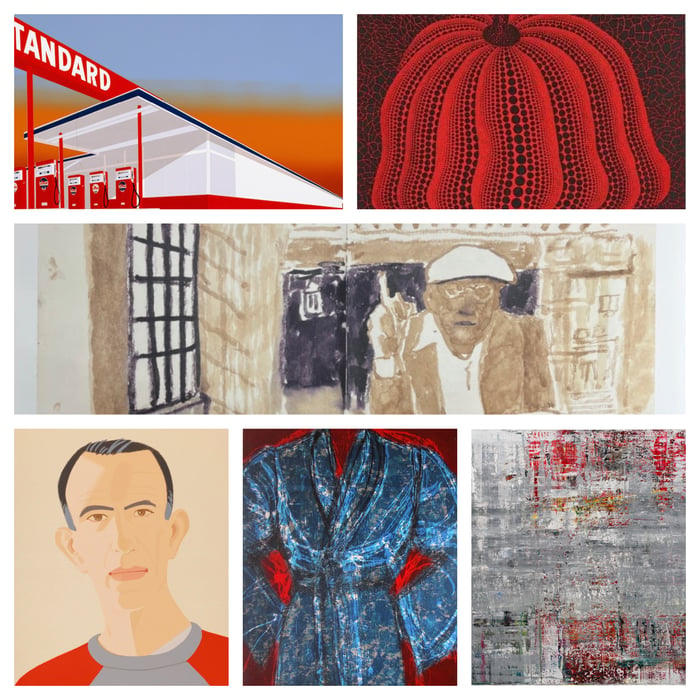

Collage is a production art technique commonly used in visual arts where a new artwork is created by assembling various materials. These materials can include ribbons, newspaper and magazine clippings, pieces of handmade or colored paper, photographs, text fragments, and other objects, all combined to form a cohesive whole.

Situationism is a psychological theory that gained prominence in 1968, following the publication of a monograph by Walter Mischel that sparked the Person-situation debate. This theory argues that behavior is primarily influenced by external situational factors rather than internal traits or motivations, challenging the ideas of trait theorists like Raymond B. Cattell and Hans Eysenck, who emphasized stable personality traits. It is important not to confuse this with the Situationist International movement, an artistic and political movement founded by Asger Jorn, which focused on the critique of modern consumer society and the influence of environments on human behavior.

A pigment is a material that changes the color of light by selectively absorbing certain wavelengths and reflecting others. Unlike phosphorescence or fluorescence, where materials emit light, pigments work by altering the light that passes through or is reflected from them. In art, pigments are chosen for their special properties, such as high tinting strength, making them ideal for coloring various materials.
Can't find your Answer?
Thank you! Your question has been sent — we'll get back to you shortly.
