
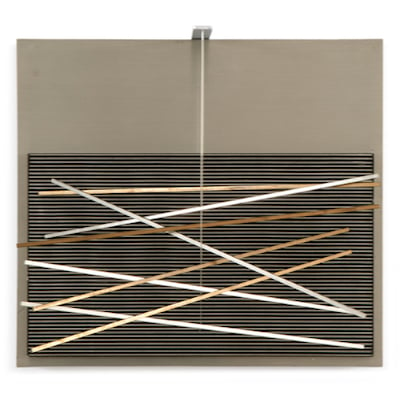
What is kinetic art?
- Show All
- Established
- Discoveries
- Show All
Artworks Related to Kinetic art
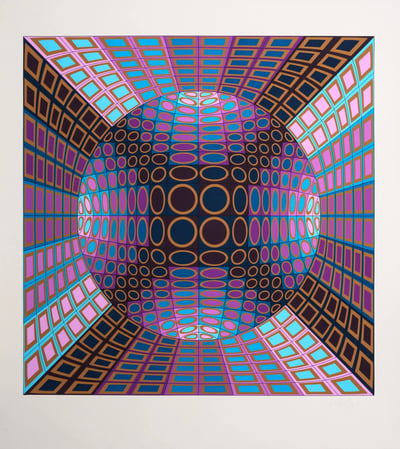
Victor Vasarely
Niels Bohr, 1981
Limited Edition Print
Silkscreen
Inquire For Price
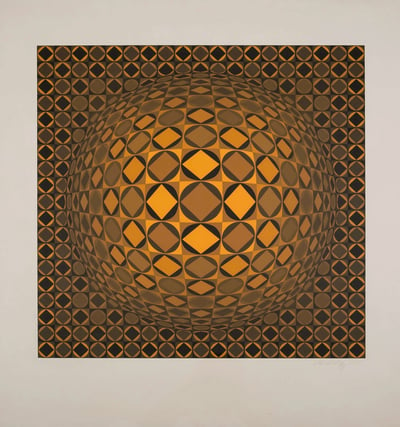
Victor Vasarely
Sann (Benavides 891), 1981
Limited Edition Print
Screen-print
Inquire For Price
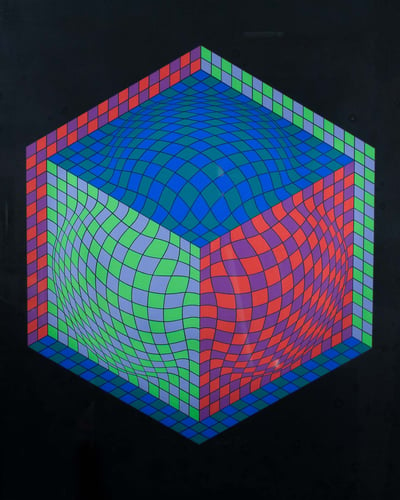
Victor Vasarely
Dagg 2, 1981
Limited Edition Print
Screen-print
Inquire For Price
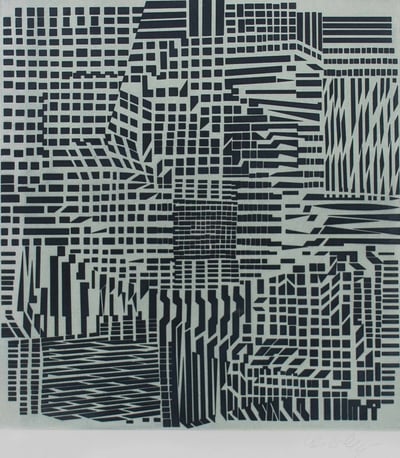
Victor Vasarely
Hommage a Bach III, ca. 1980
Limited Edition Print
Etching and Aquatint
Inquire For Price

Carlos Cruz-Diez
Couleur additive perseus 3, 2017
Limited Edition Print
Screen-print
EUR 5,000

Carlos Cruz-Diez
Couleur additive perseus 2, 2017
Limited Edition Print
Screen-print
EUR 5,000

Gunther Uecker
Graphein III, Ahirom von Byblos, 2002
Limited Edition Print
Embossing
EUR 12,000
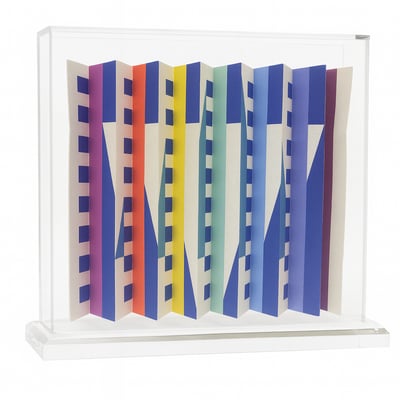
Yaacov Agam
A tribute work from the residents of Israel to the residents of the United States, 1985
Limited Edition Print
Mixed Media
EUR 6,950
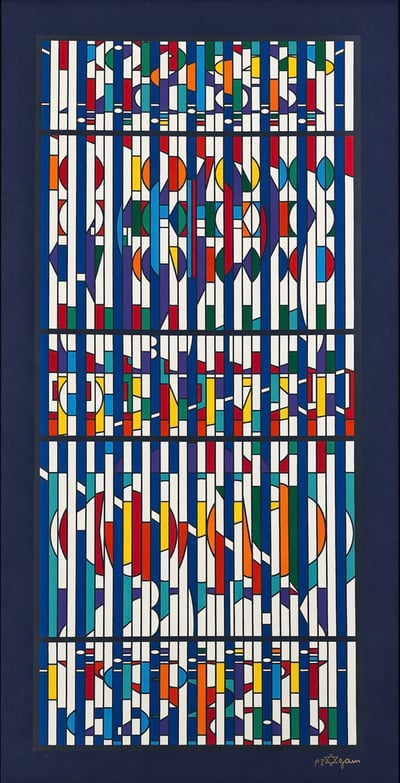
Yaacov Agam
Untitled (Chromatic Vertical Grid)
Limited Edition Print
Silkscreen
EUR 2,190
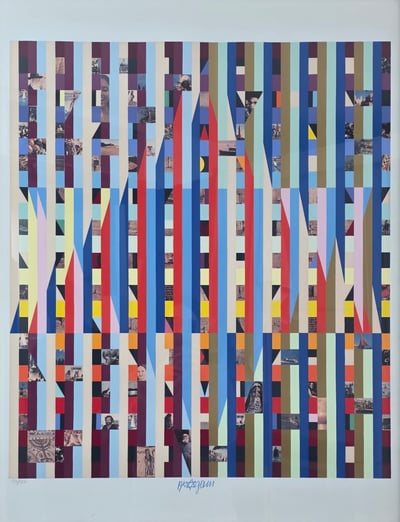
Yaacov Agam
Star of Israel
Limited Edition Print
Silkscreen
EUR 4,000
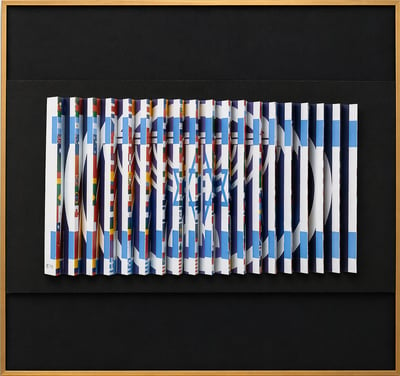
Yaacov Agam
The Star of David at the Heart of the Flags of the Nations
Limited Edition Print
Mixed Media
EUR 15,000
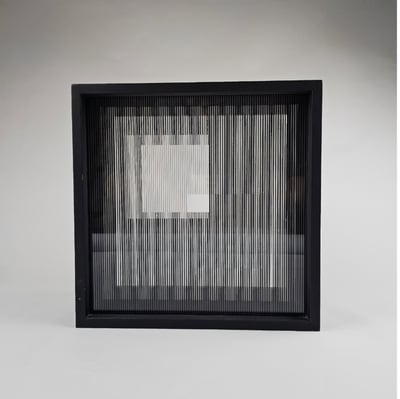
Rafael Jesus Soto
Kinetic Box, 1964
Sculpture / Object
Screen-print
USD 22,000

Carlos Cruz-Diez
Composition '5 E'. Induction Chromatique, 1974
Limited Edition Print
Screen-print
USD 9,750
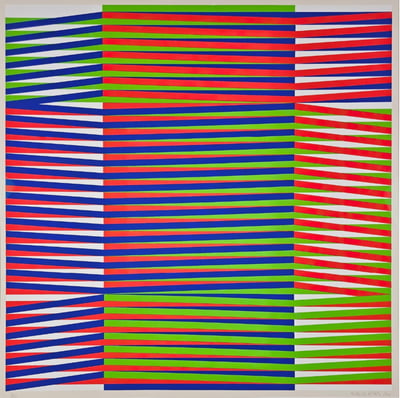
Carlos Cruz-Diez
Composition '4 D'. Couleur Additive, 1970
Limited Edition Print
Screen-print
USD 9,750
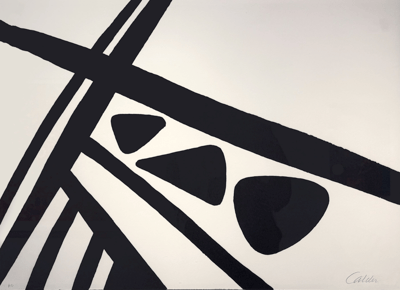
Alexander Calder
Iron Frame / Charpente de fer, 1969
Limited Edition Print
Lithograph
USD 6,900

Alexander Calder
Os et Serpent, 1969
Limited Edition Print
Lithograph
USD 8,400
Related Articles

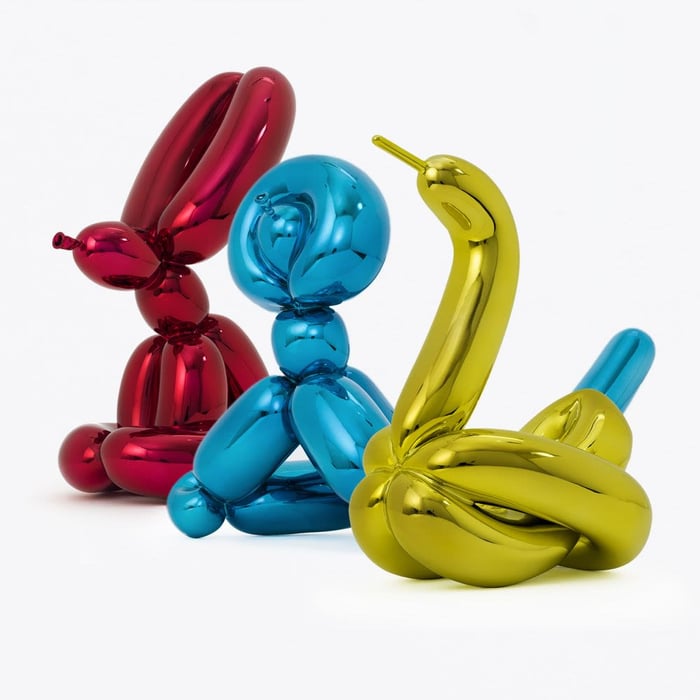
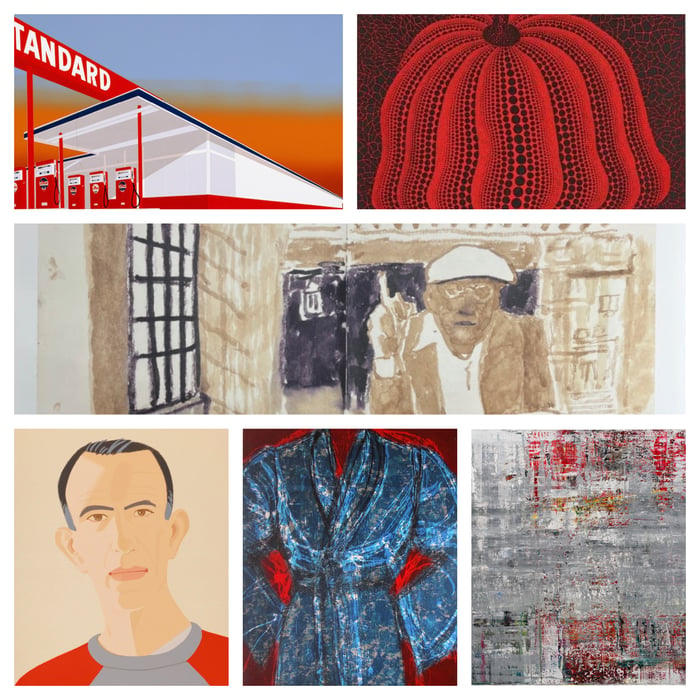

Arte Nucleare was the name of an artist group founded in Milan in 1951. The group aimed to create art that responded to the dangers and technologies of the nuclear age. Their works often utilized automatic techniques and depicted devastated landscapes and mushroom clouds, reflecting the anxieties of a world on the brink of nuclear catastrophe.
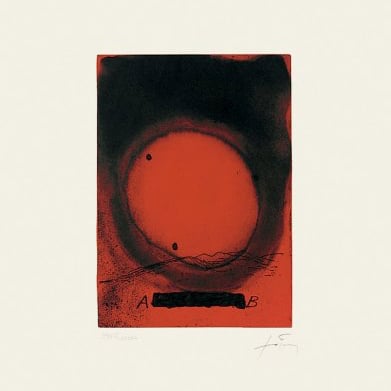
A movement and style in art that originated in Italy during the 1960s. It integrates elements of minimalism, performance art, and conceptual art by using everyday or seemingly worthless materials, such as newspapers, stones, or rags. The goal was to challenge and subvert the commercialization of art.

Site-Specific Art is a form of artwork created to exist in a particular location, with the artist considering the site as an integral part of the creative process. Robert Irwin was a key figure in promoting this art form in California. Site-Specific Art emerged as a reaction against modernist objects, which were often portable, commodified, and confined to museum spaces. In contrast, Site-Specific Art is inherently tied to its location, challenging the traditional notions of art as a transportable and marketable commodity.
Can't find your Answer?
Thank you! Your question has been sent — we'll get back to you shortly.
