
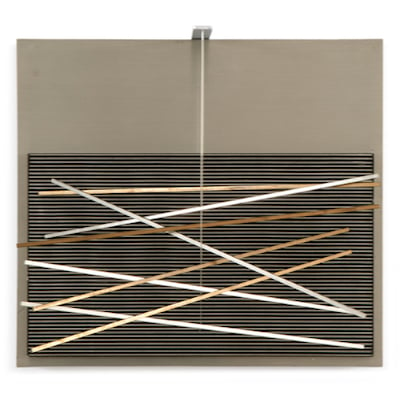
What is kinetic art?
- Show All
- Established
- Discoveries
- Show All
Artworks Related to Kinetic art

Alexander Calder
Derriere Le Miroir, 1975
Limited Edition Print
Lithograph
USD 6,000

Alexander Calder
One Plate from The Sacrilege of Alan Kent, 1976
Limited Edition Print
Aquatint
USD 4,600

Alexander Calder
Rain, 1972
Limited Edition Print
Lithograph
USD 5,800
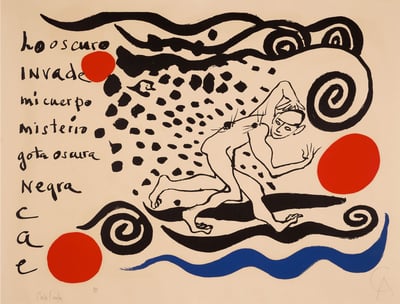
Alexander Calder
Lo oscuro invade, 1970
Limited Edition Print
Lithograph
USD 1,600

Alexander Calder
Le Chevalier, 1968
Limited Edition Print
Lithograph
USD 3,750

Felipe Pantone
Subtractive Variability Vitreum 3, 2025
Sculpture / Object
Acrylic sculpture
EUR 3,200

Felipe Pantone
Subtractive Variability Vitreum 2, 2025
Sculpture / Object
Acrylic sculpture
EUR 2,800

Felipe Pantone
Subtractive Variability Vitreum 1, 2025
Sculpture / Object
Acrylic sculpture
EUR 2,300

Jean Tinguely
Shooting paintings, 1970
Drawing / Watercolor
Ink
EUR 4,000
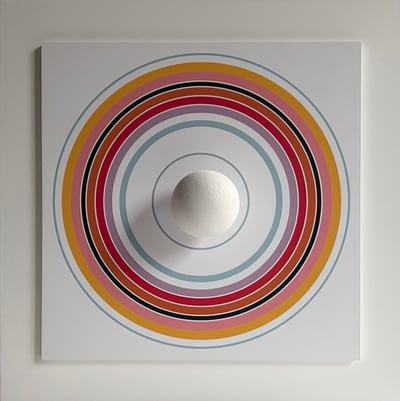
Antonio Asis
Asistype 20 – boule sur cercle, 2016
Sculpture / Object
Monotype
EUR 3,000

Antonio Asis
Asistype 19 – boule sur cercle, 2016
Sculpture / Object
Monotype
EUR 3,000

Antonio Asis
Asistype 18 – boule sur cercle, 2016
Sculpture / Object
Monotype
EUR 3,000

Antonio Asis
Asistype 17 – boule sur cercle, 2016
Sculpture / Object
Monotype
EUR 3,000

Antonio Asis
Asistype 16 – boule sur cercle, 2016
Sculpture / Object
Monotype
EUR 3,000
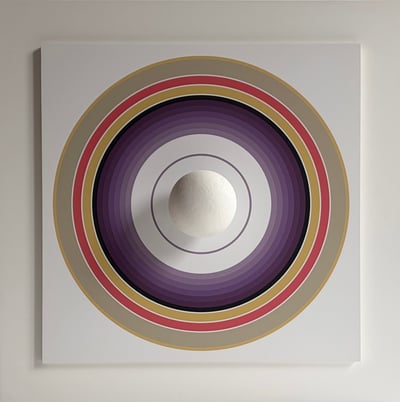
Antonio Asis
Asistype 14 – boule sur cercle, 2016
Sculpture / Object
Monotype
EUR 3,000
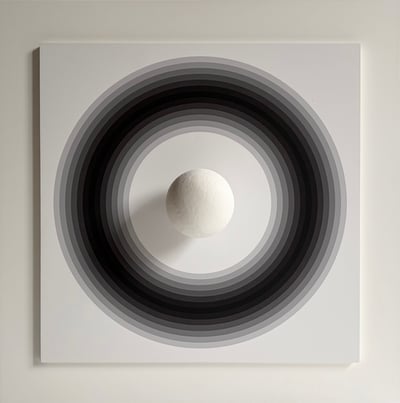
Antonio Asis
Asistype 11 – boule sur cercle, 2016
Sculpture / Object
Monotype
EUR 3,000
Related Articles



Pen and ink is a traditional drawing technique that involves using a dip pen with India ink on paper. The fine tip of the dip pen is ideal for creating varied lines and detailed shading. Some artists prefer using a fountain pen with an ink reservoir for greater convenience.

Anti-Art refers to artwork that challenges traditional definitions of art. The term is often attributed to artist Marcel Duchamp, who pioneered the use of readymades—everyday objects presented as art. These works defied conventional expectations that art should adhere to traditional or high art standards.

Latin American Art is a style which takes inspiration from its culture, society, politics, native traditions, religions and landscape. Op-Art and Kinetic Art figure prominently in Latin artworks. Colors in Latin American compositions are often bold. Latin American artists work in all media and movements.
Can't find your Answer?
Thank you! Your question has been sent — we'll get back to you shortly.
