
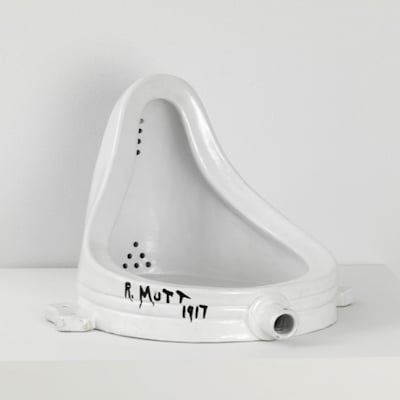
What is anti-art?
Artworks Related to Anti-art
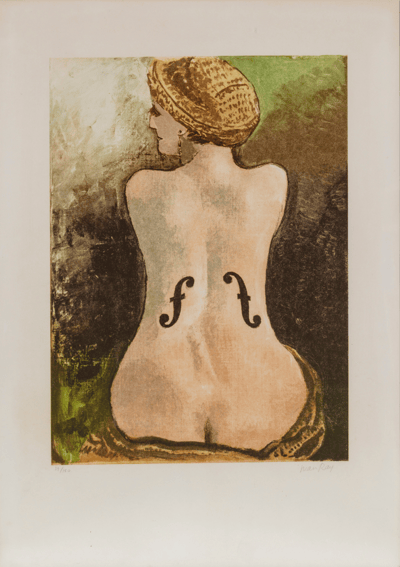
Man Ray
Le Violon d'Ingres, 1968
Limited Edition Print
Lithograph
EUR 5,000
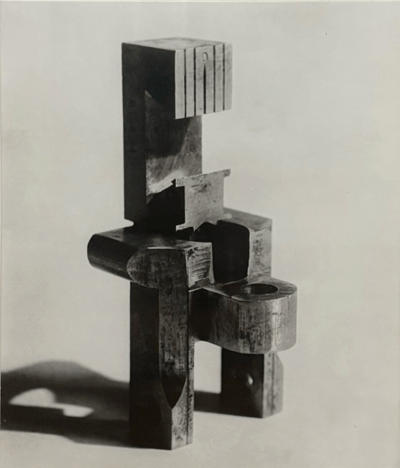
Man Ray
The Rebus, 1926
Photography
Gelatin Silver Print
EUR 6,500
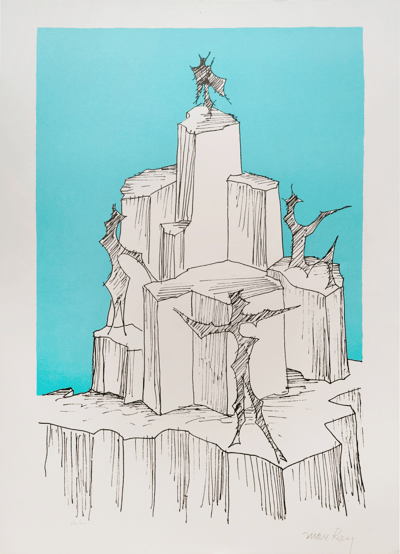
Man Ray
La Montagna di Cristallo, 1971
Limited Edition Print
Lithograph
EUR 2,400
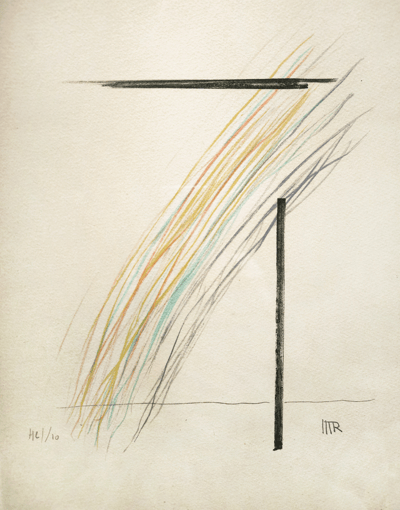
Man Ray
Invasion de l'espace, 1974
Limited Edition Print
Lithograph
EUR 2,300
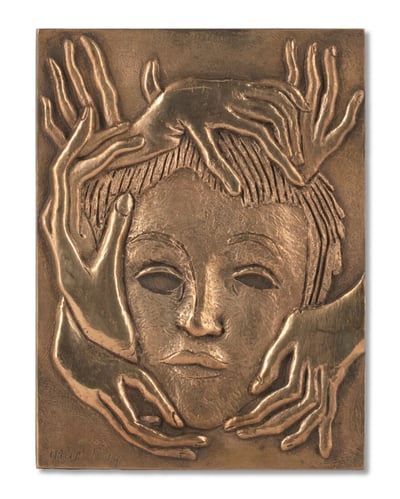
Man Ray
Masque, 1971
Sculpture / Object
Bronze
USD 9,750
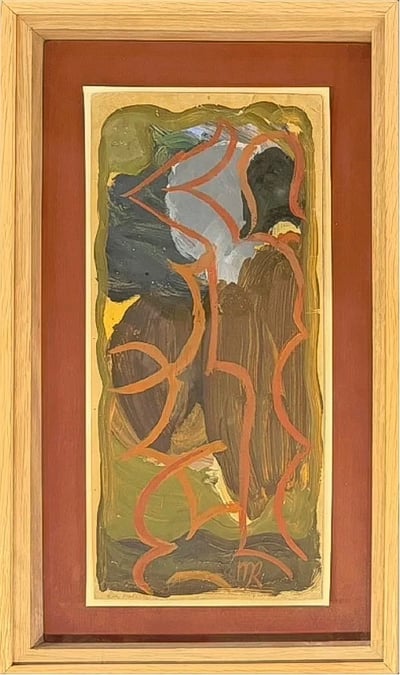
Man Ray
La Palette, 1944
Painting
Oil on paper
Inquire For Price
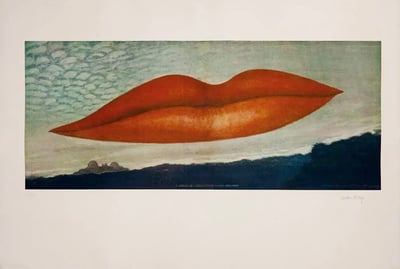
Man Ray
À l’heure de l’observatoire – Les amoureux, 1970
Limited Edition Print
Lithograph
EUR 38,500
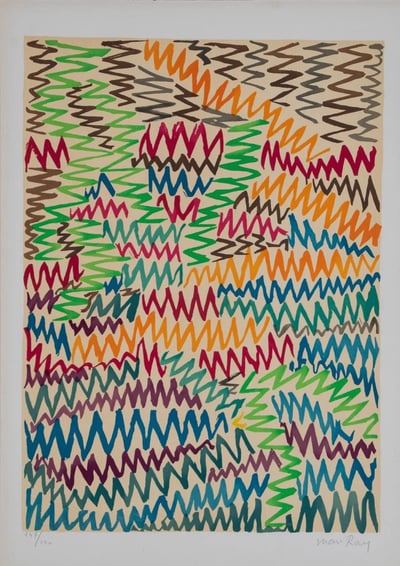
Man Ray
Untitled (from On the Origin of Species by Irrational Selection), 1971
Limited Edition Print
Lithograph
USD 1,250

Man Ray
Cadeau (special edition), 1921-1974
Sculpture / Object
Metal
EUR 14,250

Man Ray
Cactus Diamond , 1969
Limited Edition Print
Silkscreen
EUR 4,850

Man Ray
Rue Férou, 1974
Limited Edition Print
Lithograph
EUR 2,500

Man Ray
La Fortune II, 1973
Limited Edition Print
Lithograph
EUR 4,250

Man Ray
Incompris, 1962
Limited Edition Print
Lithograph
EUR 3,660
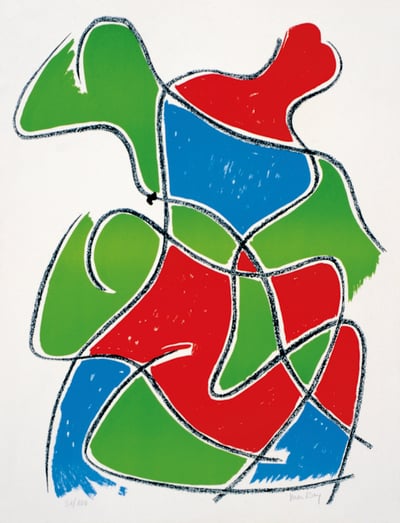
Man Ray
Tre Figure, 1968
Limited Edition Print
Lithograph
EUR 3,450

Marcel Duchamp
La Mariée (The bride), 1934
Limited Edition Print
Aquatint
Currently Not Available

Man Ray
La Ballade des dames hors du temps, Natasha, 1971
Limited Edition Print
Etching and Aquatint
EUR 3,125
Related Articles
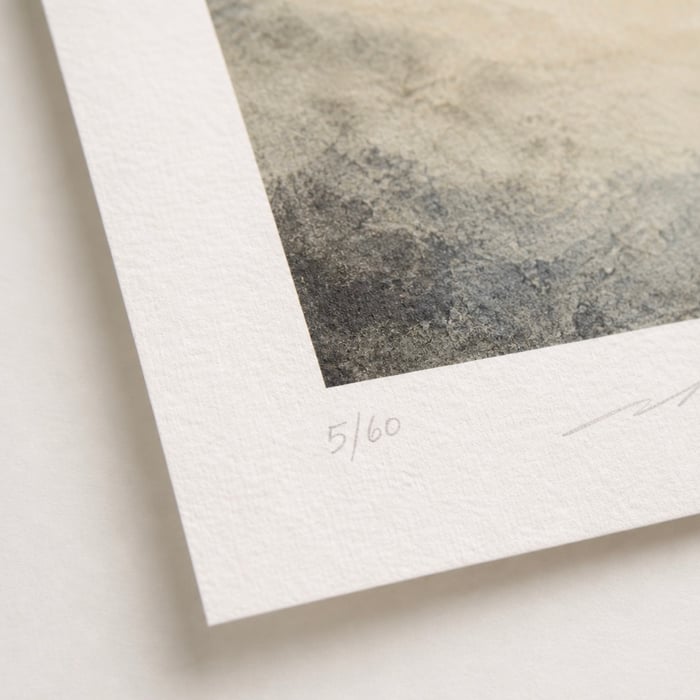

Recto and verso are terms used to describe the right and left pages of an open book, or the front and back of a sheet of paper. In both cases, recto refers to the right-hand page or the front of the paper, while verso refers to the left-hand page or the back of the paper. These terms are commonly used in bookbinding, printmaking, and art to distinguish between the two sides of a sheet.
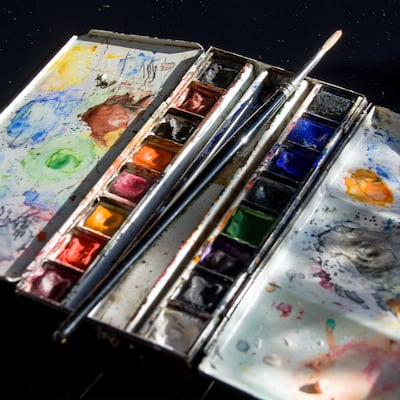
Watercolor refers to both the medium and the resulting artwork created using pigments suspended in a water-soluble vehicle. Watercolors are known for their luminous, transparent appearance because the pigments are applied in pure form with minimal fillers. By adding Chinese white, the watercolor can become opaque, resembling gouache.
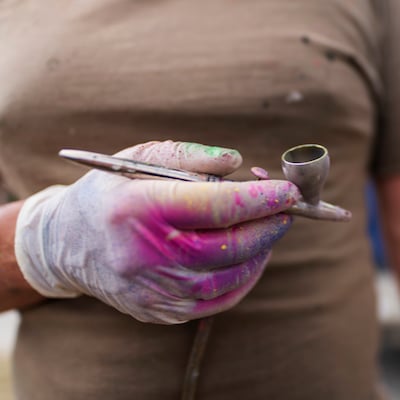
An airbrush is a device that sprays various media, including paint and ink, using compressed air. Artists use airbrushes to create a smooth, even application of color, often achieving effects that are not possible with traditional brushes. James Rosenquist, an American Pop artist, regularly used an airbrush in his work. Before gaining fame with pieces like the iconic F-111 (1965), he worked as a commercial and industrial painter, where he honed his airbrush skills.
Can't find your Answer?
Thank you! Your question has been sent — we'll get back to you shortly.
