

What is anti-art?
Artworks Related to Anti-art
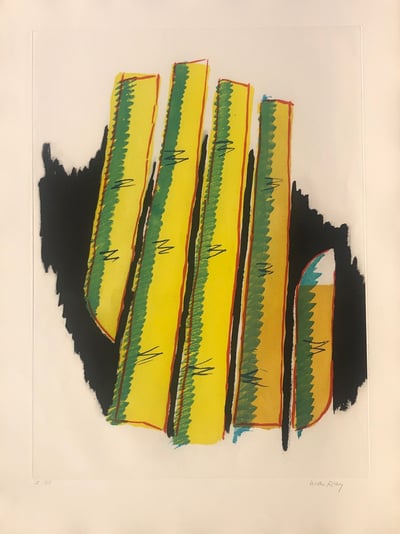
Man Ray
Cactus, 1969
Limited Edition Print
Aquatint
EUR 3,125
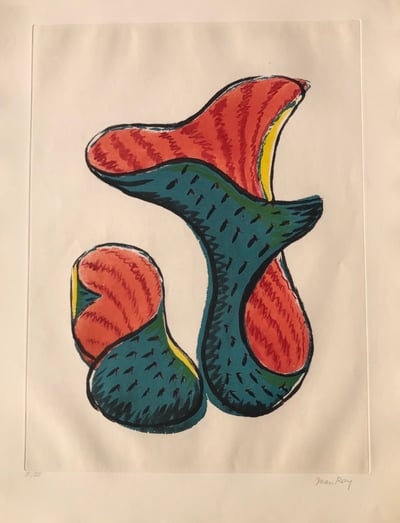
Man Ray
Untitled (from Transfiguration d' un Cactus), 1971
Limited Edition Print
Aquatint
EUR 3,125
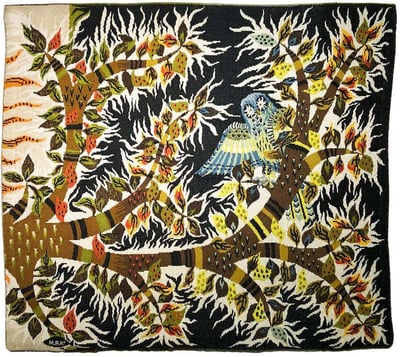
Man Ray
Nocturnal, c.1960
Tapestry
Tapestry
Currently Not Available
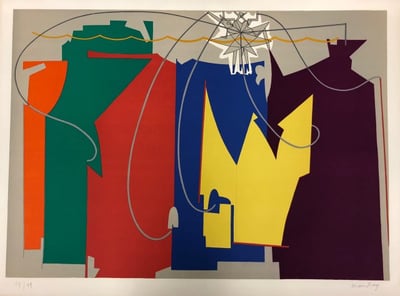
Man Ray
Danza Di Corda, 1972
Limited Edition Print
Lithograph
EUR 3,750

Man Ray
Cadeau, 1921
Sculpture / Object
Mixed Media
USD 1,950

Man Ray
Seria Electro Magie II, 1969
Limited Edition Print
Etching and Aquatint
EUR 1,350
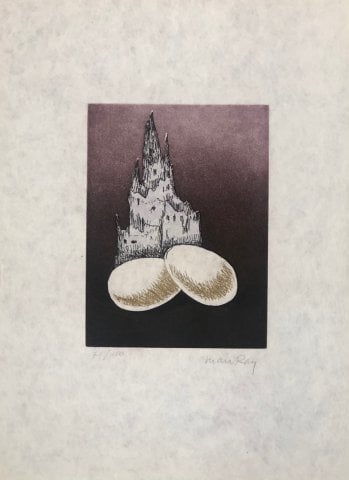
Man Ray
Seria Electro Magie I, 1969
Limited Edition Print
Etching and Aquatint
EUR 1,350

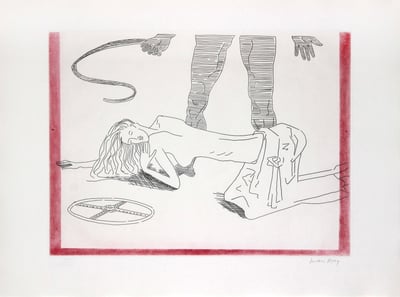
Man Ray
Queen of Spades, 1970
Limited Edition Print
Etching
USD 1,450
Man Ray
Donna, 1970
Limited Edition Print
Etching
EUR 2,750

Man Ray
Le Concert, 1970
Limited Edition Print
Etching
EUR 2,750

Man Ray
La ballade des dames hors du temps, 1970
Limited Edition Print
Etching and Aquatint
EUR 2,750

Man Ray
Symphony ou Orchestra, 1970
Limited Edition Print
Etching and Aquatint
EUR 4,375
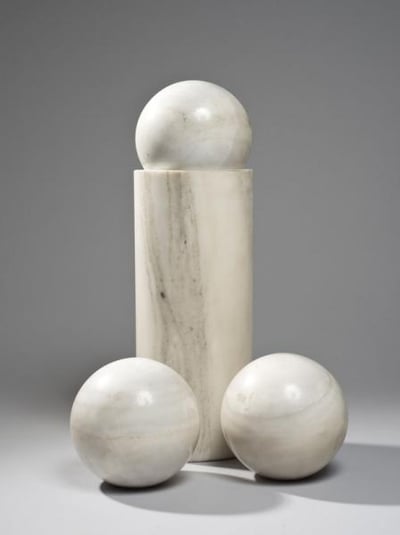
Man Ray
Pynape, 1975
Sculpture / Object
Marble
Currently Not Available
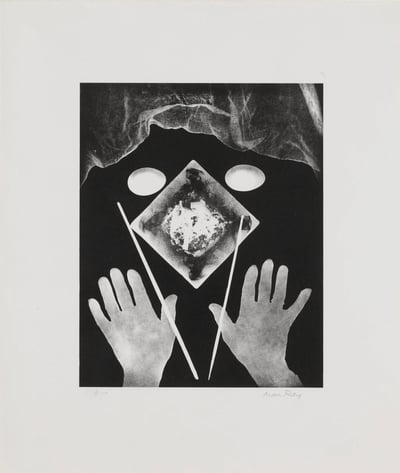
Man Ray
Untitled - (MR66-1194), 1966
Limited Edition Print
Lithograph
USD 19,500

Man Ray
Noire et Blanche, 1933/85
Limited Edition Print
Mixed Media
Currently Not Available

Man Ray
Erotique Voilée, 1933/85
Photography
Photograph
Currently Not Available
Related Articles
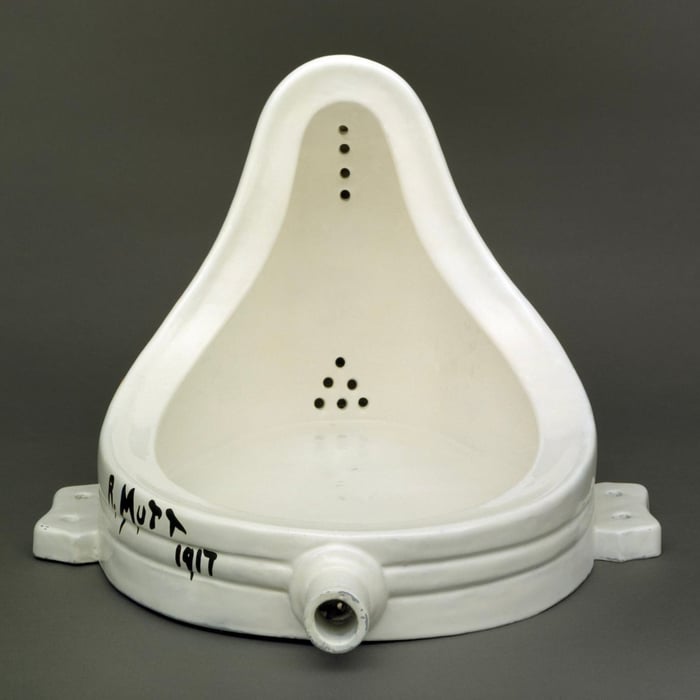
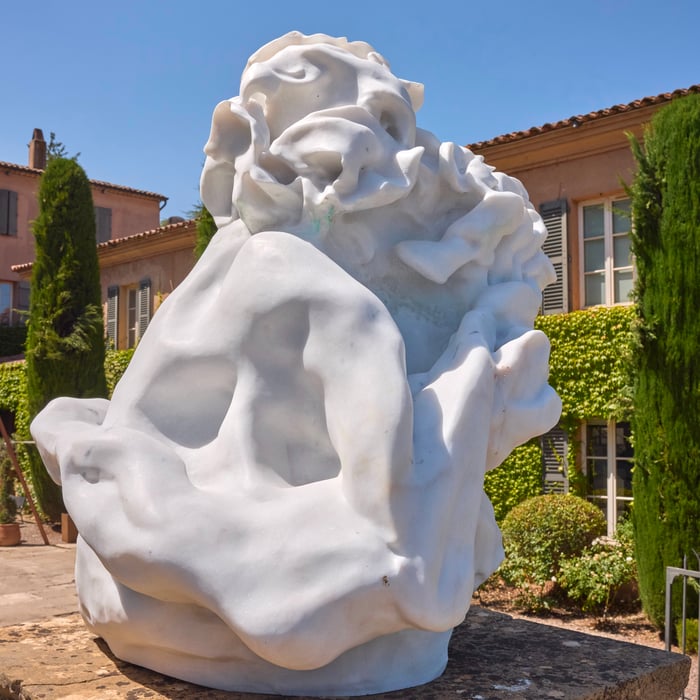

Montage is a film editing technique where a series of shots are edited into a sequence to condense time, convey information, and manage space within the narrative. While it primarily refers to this method in film, the term can also be used in various other contexts to describe the assembly of disparate elements into a cohesive whole.

Oil on board is a painting technique where oil paint is applied to either wood panels that have been sanded and primed or high-density cardboard covered with canvas. These surfaces offer the advantage of being more compact for storage compared to traditional stretched canvas on frames, while still providing a stable surface for painting.
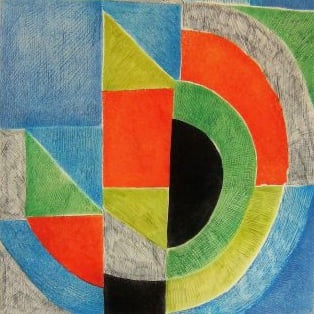
Réalités Nouvelles means new realities and refers to an exhibiting society founded in 1939 in Paris by Sonia Delaunay. The Salon des Réalités Nouvelles was dedicated to promoting abstract art, which it considered to be a new reality because it does not imitate the existing physical world. The movement emphasized that abstract art creates its own reality, independent of the external world, and played a significant role in the development and recognition of abstract art in the mid-20th century.
Can't find your Answer?
Thank you! Your question has been sent — we'll get back to you shortly.
