

Pynape, 1975
Form
Medium
Size
- Inches
- Centimeters
Edition
Price
- Authenticity Guaranteed
- Insured Shipping
- Online Since 2005
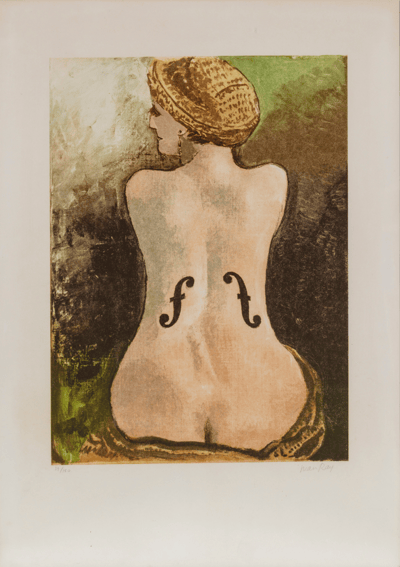
Man Ray
Le Violon d'Ingres, 1968
Limited Edition Print
Lithograph
EUR 5,000
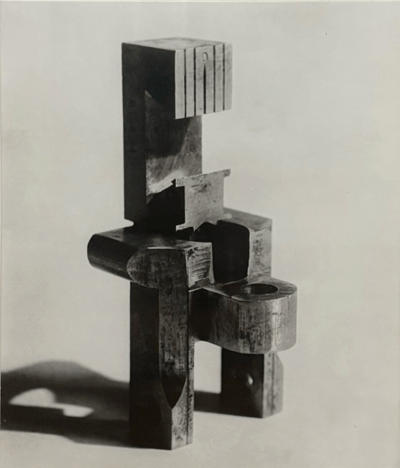
Man Ray
The Rebus, 1926
Photography
Gelatin Silver Print
EUR 6,500
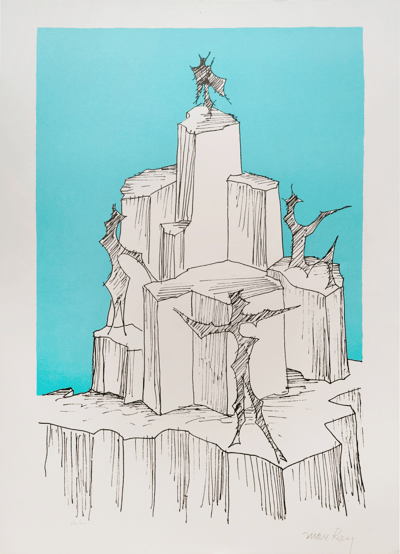
Man Ray
La Montagna di Cristallo, 1971
Limited Edition Print
Lithograph
EUR 2,400
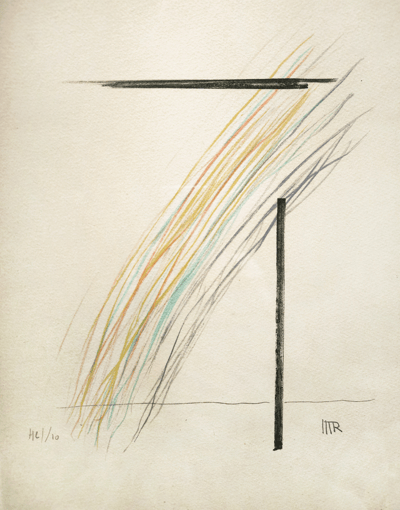
Man Ray
Invasion de l'espace, 1974
Limited Edition Print
Lithograph
EUR 2,300
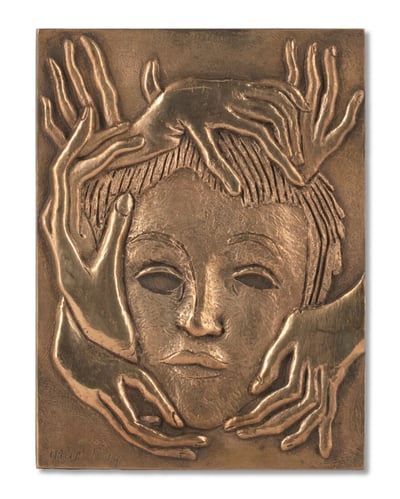
Man Ray
Masque, 1971
Sculpture / Object
Bronze
USD 9,750
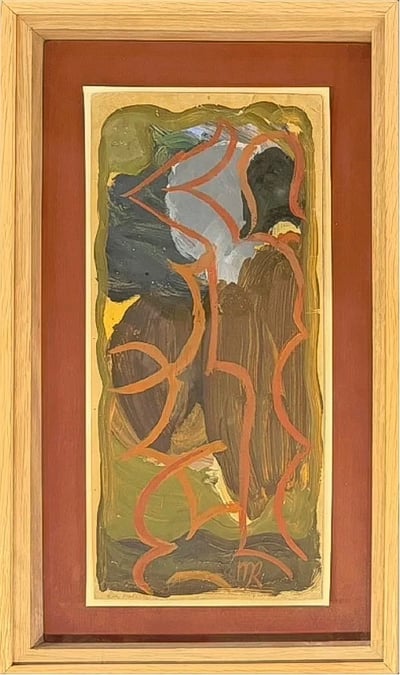
Man Ray
La Palette, 1944
Painting
Oil on paper
Inquire For Price
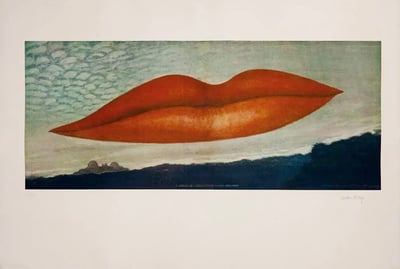
Man Ray
À l’heure de l’observatoire – Les amoureux, 1970
Limited Edition Print
Lithograph
EUR 38,500
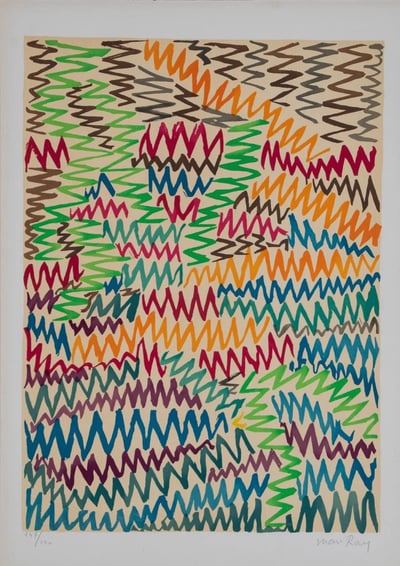
Man Ray
Untitled (from On the Origin of Species by Irrational Selection), 1971
Limited Edition Print
Lithograph
USD 1,250

Man Ray
Cadeau (special edition), 1921-1974
Sculpture / Object
Metal
EUR 14,250

Man Ray
Cactus Diamond , 1969
Limited Edition Print
Silkscreen
EUR 4,850

Man Ray
Rue Férou, 1974
Limited Edition Print
Lithograph
EUR 2,500

Man Ray
La Fortune II, 1973
Limited Edition Print
Lithograph
EUR 4,250

Man Ray
Incompris, 1962
Limited Edition Print
Lithograph
EUR 3,660
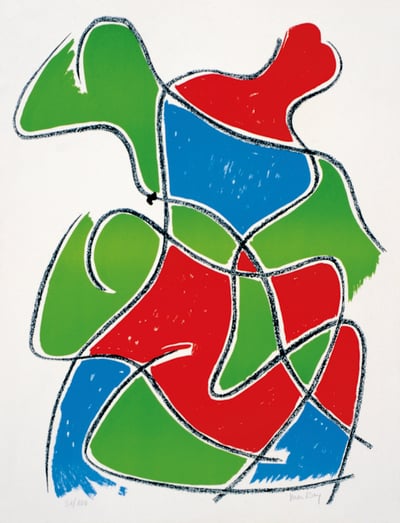
Man Ray
Tre Figure, 1968
Limited Edition Print
Lithograph
EUR 3,450

Man Ray
La Ballade des dames hors du temps, Natasha, 1971
Limited Edition Print
Etching and Aquatint
EUR 3,125
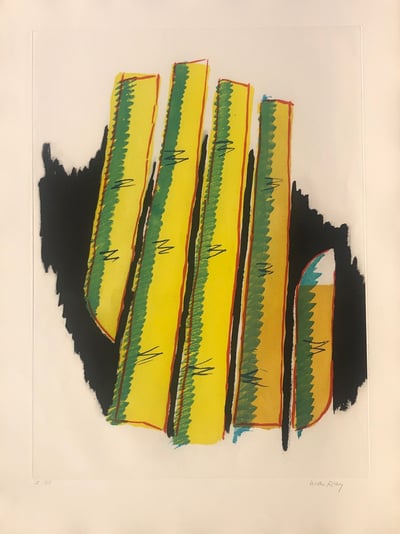
Man Ray
Cactus, 1969
Limited Edition Print
Aquatint
EUR 3,125
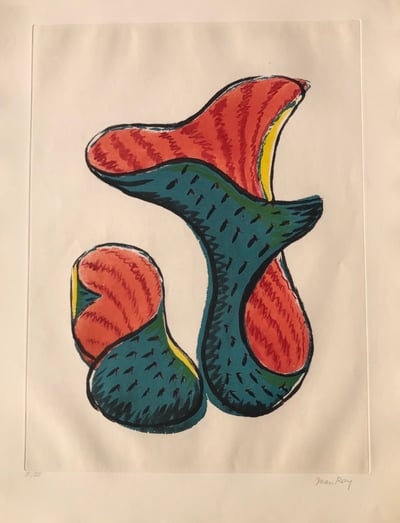
Man Ray
Untitled (from Transfiguration d' un Cactus), 1971
Limited Edition Print
Aquatint
EUR 3,125
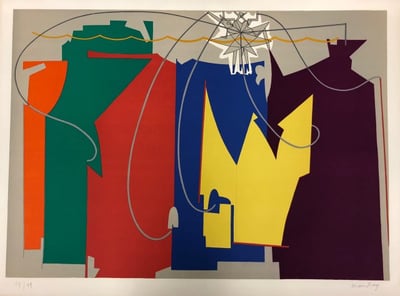
Man Ray
Danza Di Corda, 1972
Limited Edition Print
Lithograph
EUR 3,750

Man Ray
Cadeau, 1921
Sculpture / Object
Mixed Media
USD 1,950

Man Ray
Seria Electro Magie II, 1969
Limited Edition Print
Etching and Aquatint
EUR 1,350
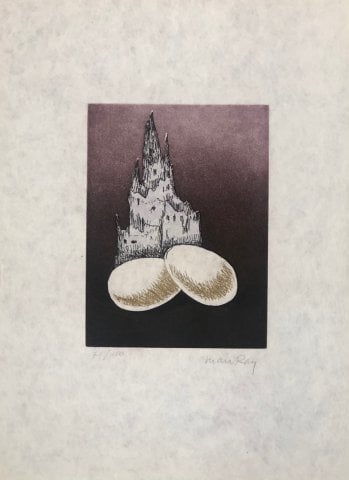
Man Ray
Seria Electro Magie I, 1969
Limited Edition Print
Etching and Aquatint
EUR 1,350

Man Ray
Queen of Spades, 1970
Limited Edition Print
Etching
USD 1,450
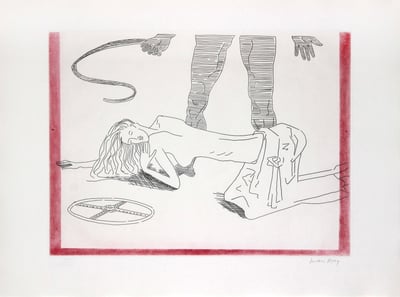
Man Ray
Donna, 1970
Limited Edition Print
Etching
EUR 2,750

Man Ray
Le Concert, 1970
Limited Edition Print
Etching
EUR 2,750

Man Ray
La ballade des dames hors du temps, 1970
Limited Edition Print
Etching and Aquatint
EUR 2,750

Man Ray
Symphony ou Orchestra, 1970
Limited Edition Print
Etching and Aquatint
EUR 4,375
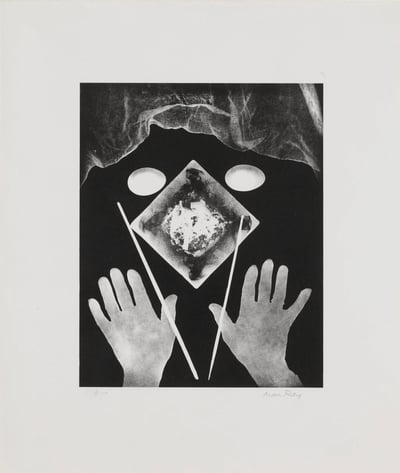
Man Ray
Untitled - (MR66-1194), 1966
Limited Edition Print
Lithograph
USD 19,500
Man Ray
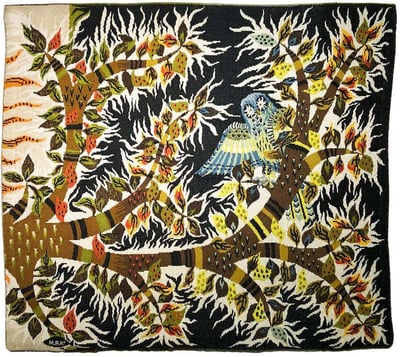
Nocturnal, c.1960
Tapestry
Tapestry
Currently Not Available
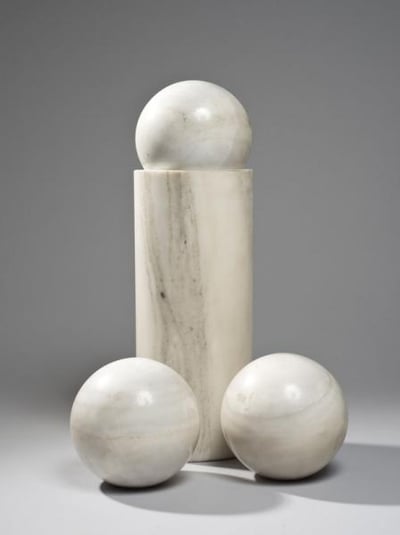
Man Ray
Pynape, 1975
Sculpture / Object
Marble
Currently Not Available
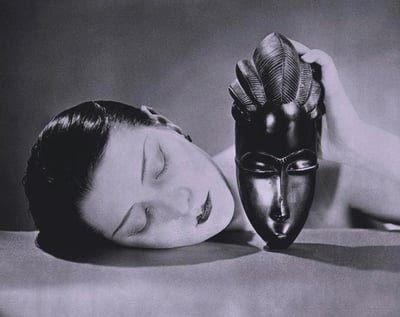
Man Ray
Noire et Blanche, 1933/85
Limited Edition Print
Mixed Media
Currently Not Available
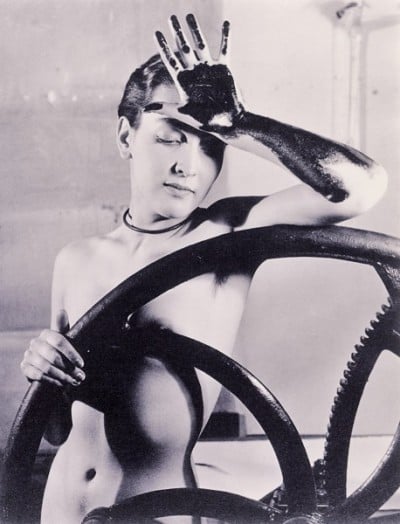
Man Ray
Erotique Voilée, 1933/85
Photography
Photograph
Currently Not Available
Available works by Man Ray
See all →Man Ray
Le Violon d'Ingres, 1968
Limited Edition Print
Lithograph
EUR 5,000
Man Ray
The Rebus, 1926
Photography
Gelatin Silver Print
EUR 6,500
Man Ray
La Montagna di Cristallo, 1971
Limited Edition Print
Lithograph
EUR 2,400
Man Ray
Invasion de l'espace, 1974
Limited Edition Print
Lithograph
EUR 2,300
Man Ray
Masque, 1971
Sculpture / Object
Bronze
USD 9,750
Man Ray
La Palette, 1944
Painting
Oil on paper
Inquire For Price
Related Artists
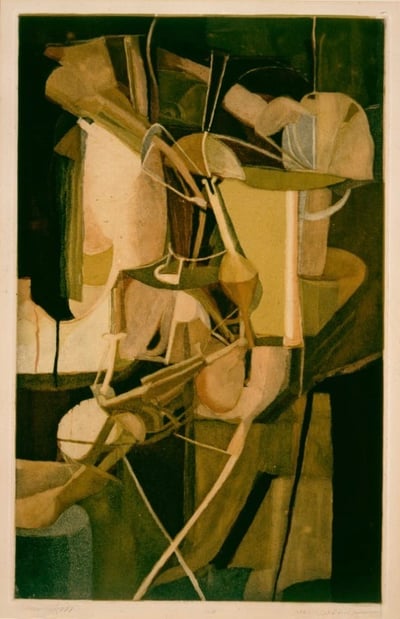


What is Readymade?
Readymade is the term coined by French artist Marcel Duchamp to describe artworks created from manufactured objects. Duchamp selected ordinary, functional items that he felt had visual indifference, turning them into art simply by choosing and presenting them in a new context. This concept challenged traditional notions of art and continues to influence artists who adopt similar approaches today.



