
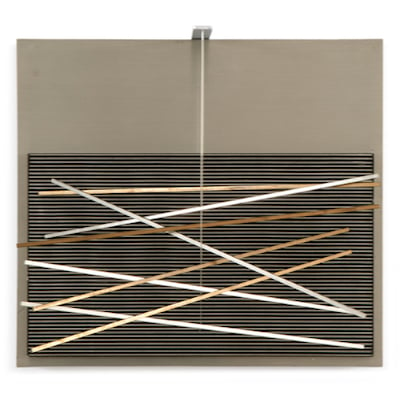
What is kinetic art?
- Show All
- Established
- Discoveries
- Show All
Artworks Related to Kinetic art
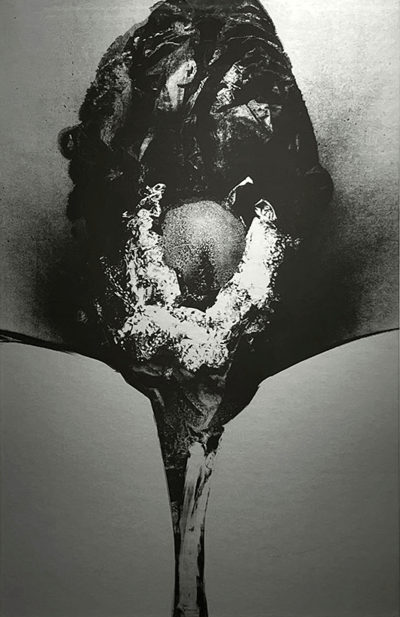
Otto Piene
Addis Abeba II, 1972
Limited Edition Print
Screen-print
EUR 2,800
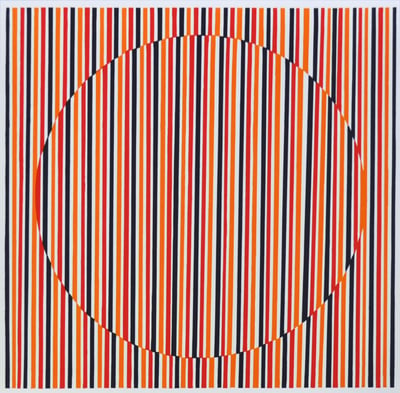
Antonio Asis
ST3, 2013
Limited Edition Print
Lithograph
EUR 1,800
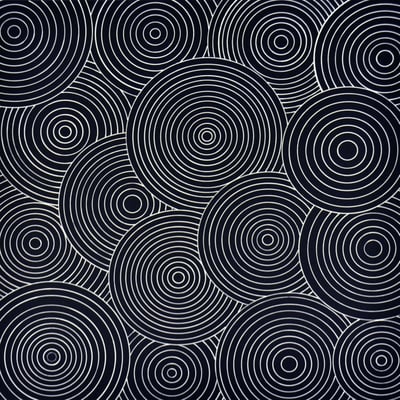
Antonio Asis
ST5, 2013
Limited Edition Print
Lithograph
EUR 1,800
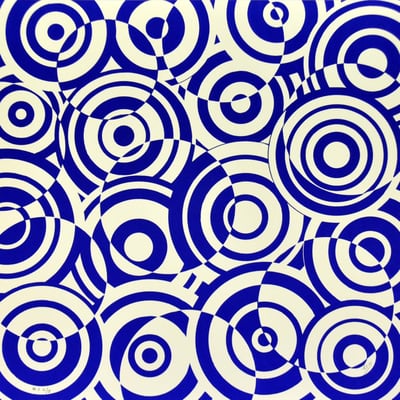
Antonio Asis
ST2, 2013
Limited Edition Print
Lithograph
EUR 1,800
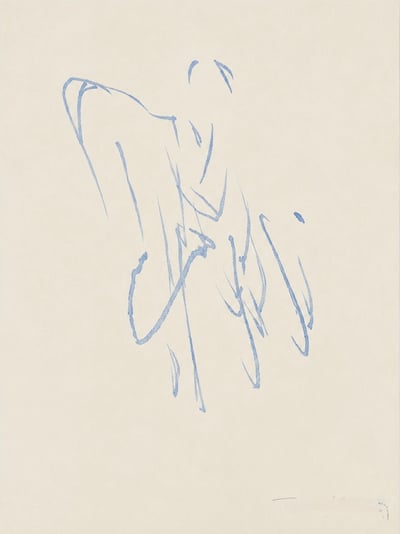
Jean Tinguely
Meta – Matic N9, 1960
Drawing / Watercolor
Pen and ink
EUR 500
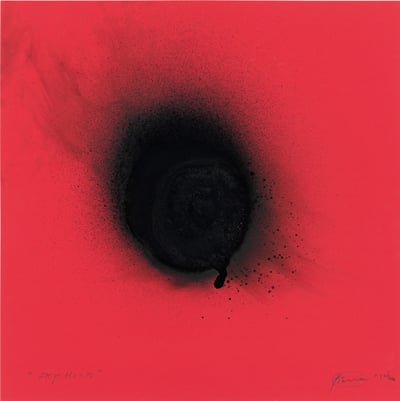
Otto Piene
Sky Hook, 2014
Painting
Gouache
Inquire For Price
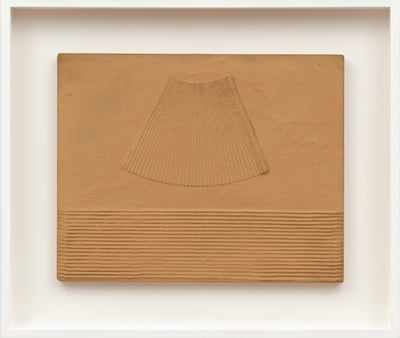
Heinz Mack
Sandflügel, 1976
Sculpture / Object
Mixed Media
Inquire For Price

Felipe Pantone
Subtractive Variability #4, 2018
Painting
Mixed Media
EUR 15,000
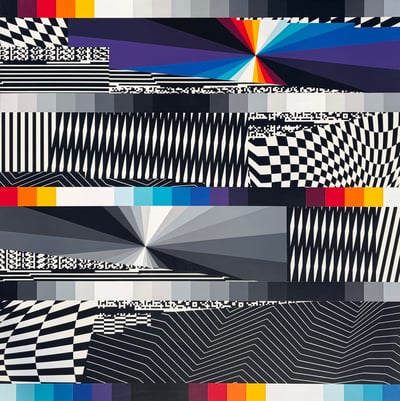
Felipe Pantone
Chromadynamica 33, 2017
Painting
Acrylic paint
Inquire For Price

Francois Morellet
Trame, 1957-1975
Limited Edition Print
Silkscreen
EUR 1,800
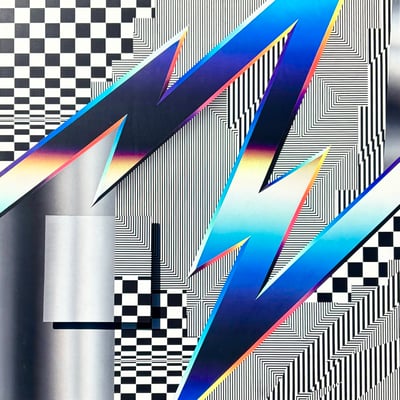
Felipe Pantone
Responsive Iframe, 2016
Painting
Acrylic paint
EUR 13,000
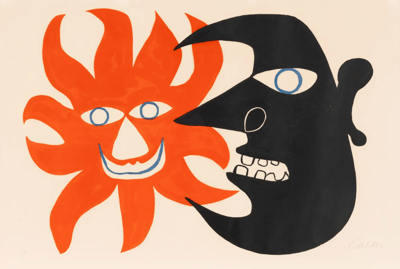
Alexander Calder
Black Moon and Red Sun, ca. 1970
Limited Edition Print
Lithograph
USD 6,900

Victor Vasarely
Olla, 1988
Limited Edition Print
Silkscreen
Inquire For Price

Victor Vasarely
Thez I, 1986
Limited Edition Print
Silkscreen
Inquire For Price

Victor Vasarely
Metagalaxie, 1989
Limited Edition Print
Silkscreen
Inquire For Price
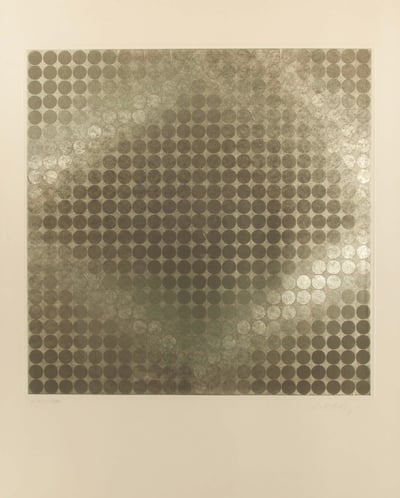
Victor Vasarely
Di.am, ca. 1980
Limited Edition Print
Silkscreen
Inquire For Price
Related Articles

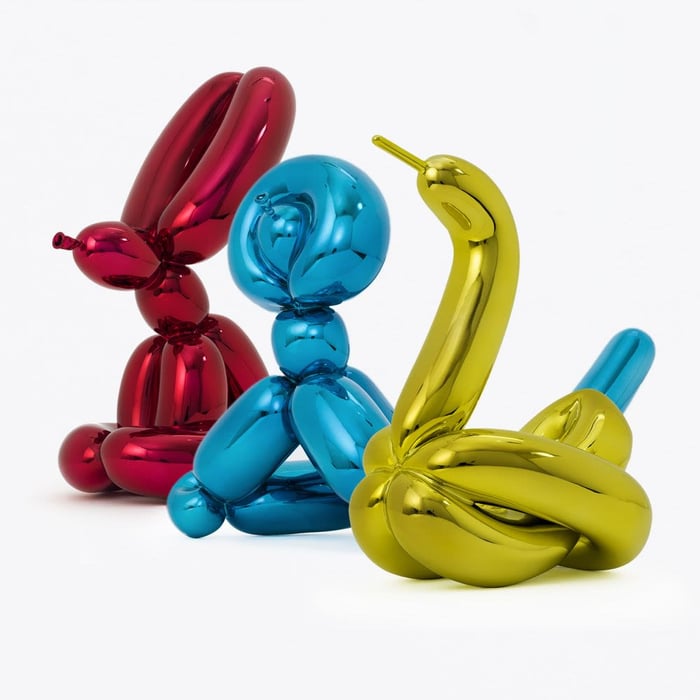
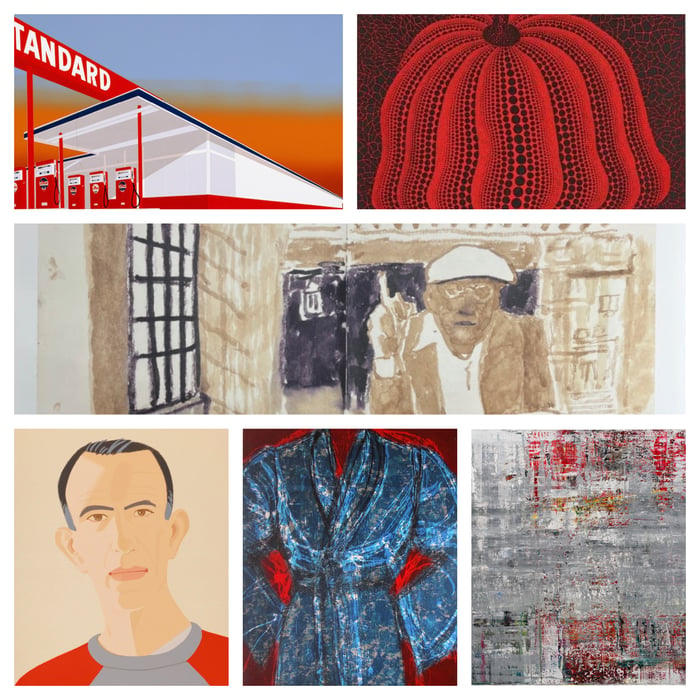
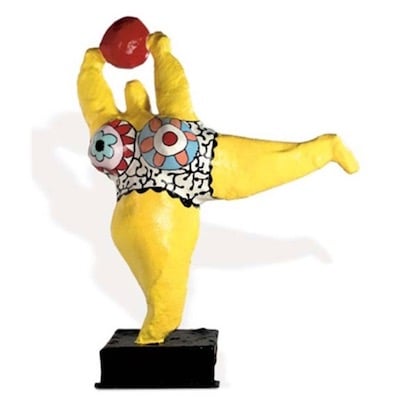
Papier-mâché is a composite material made from pieces of paper or pulp, reinforced with textiles and bound with adhesives like starch, wallpaper paste, or glue. There are two main methods to create papier-mâché: one involves layering strips of paper soaked in adhesive, while the other uses a pulp made by boiling or soaking paper and then adding glue. Though each method has a different process, both yield similar results.

Site-Specific Art is a form of artwork created to exist in a particular location, with the artist considering the site as an integral part of the creative process. Robert Irwin was a key figure in promoting this art form in California. Site-Specific Art emerged as a reaction against modernist objects, which were often portable, commodified, and confined to museum spaces. In contrast, Site-Specific Art is inherently tied to its location, challenging the traditional notions of art as a transportable and marketable commodity.
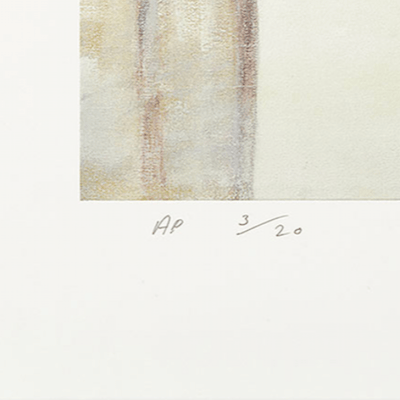
An artist proof traditionally refers to a print impression taken during the printing process to evaluate the current state of the artwork as the artist works on the plate. These proofs often show incomplete images and are sometimes called trial impressions or working proofs. However, in modern practice, an artist proof typically refers to an impression of the finished work that is identical to the numbered edition copies but is set aside for the artist's personal use. Artist proofs are usually marked A.P. and may be considered more valuable by collectors due to their limited availability.
Can't find your Answer?
Thank you! Your question has been sent — we'll get back to you shortly.
