
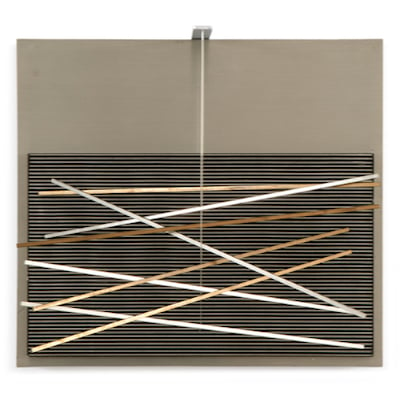
What is kinetic art?
- Show All
- Established
- Discoveries
- Show All
Artworks Related to Kinetic art

Luis Tomasello
Lumiere noire unique IV/X, 2011
Sculpture / Object
Mixed Media
EUR 3,500

Luis Tomasello
Lumiere noire unique III/X, 2011
Sculpture / Object
Mixed Media
EUR 3,500

Luis Tomasello
Lumiere noire unique II/X, 2011
Sculpture / Object
Mixed Media
EUR 3,500

Luis Tomasello
Lumiere noire unique I/X, 2011
Sculpture / Object
Mixed Media
EUR 3,500

Felipe Pantone
Substractive Variability series 2 – print 5, 2022
Limited Edition Print
Lithograph
EUR 1,500

Felipe Pantone
Substractive Variability series 2 – print 4, 2022
Limited Edition Print
Lithograph
EUR 1,500

Felipe Pantone
Substractive Variability series 2 – print 3, 2022
Limited Edition Print
Lithograph
EUR 1,500

Felipe Pantone
Substractive Variability series 2 – print 2, 2022
Limited Edition Print
Lithograph
EUR 1,500

Felipe Pantone
Substractive Variability series 2 – print 1, 2022
Limited Edition Print
Lithograph
EUR 1,500

Alexander Calder
Red Moon and Swirl, 1965
Limited Edition Print
Lithograph
Currently Not Available
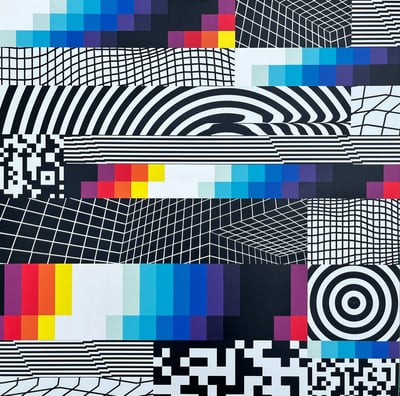
Felipe Pantone
Chromadynamica 26, 2017
Painting
Acrylic paint
EUR 12,000

Victor Vasarely
Felhoe (Benavides 1876), 1989
Sculpture / Object
Mixed Media
USD 3,750

Alexander Calder
Save Our Planet, Save Our Wildlife, 1971
Limited Edition Print
Offset Print
USD 3,000

Gunther Uecker
Graphein VII, Reise Kadmos, 2002
Limited Edition Print
Embossing
EUR 12,000

Gunther Uecker
Graphein VIII, Christen Ägypten, 2002
Limited Edition Print
Embossing
EUR 12,000

Gunther Uecker
Sarajewo 6, 2005
Limited Edition Print
Screen-print
EUR 1,280
Related Articles


A foundry is a place where metal is melted and shaped to create sculptures. Artists bring their completed wax sculptures to the foundry, where molds are made in the same shape. The foundry then uses these molds to cast the sculpture in metal, often resulting in a finished metal artwork.
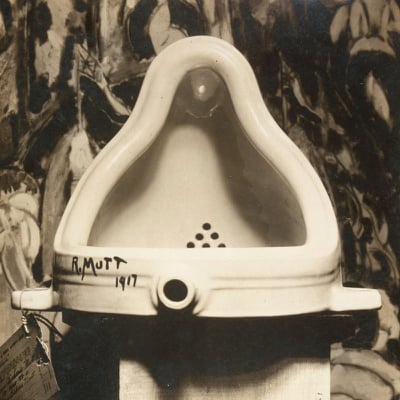
A found object is a term used to describe a man-made or natural object, or a fragment of one, that an artist discovers or purchases and keeps for inspiration or as a work of art. The artist may also modify the object or incorporate it into a collage or assemblage, transforming it into a new piece of art.
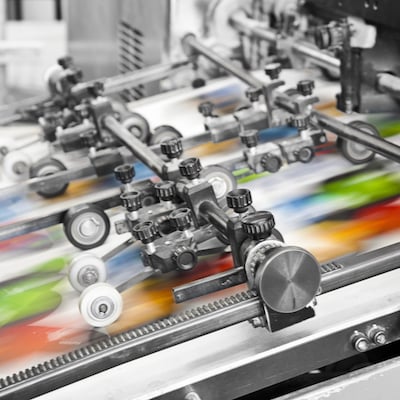
Offset lithography is a printing technique where the inked image is first transferred (offset) from a plate to a rubber blanket and then to the printing surface. This method combines the lithographic process, which relies on the repulsion of water and oil, to keep non-printing areas ink-free by attracting a water-based film. Offset lithography was originally developed to reduce costs in reproducing artwork and is widely used for high-volume printing due to its efficiency and ability to produce sharp, consistent images.
Can't find your Answer?
Thank you! Your question has been sent — we'll get back to you shortly.
