
What is kinetic art?
- Show All
- Established
- Discoveries
- Show All
Artworks Related to Kinetic art

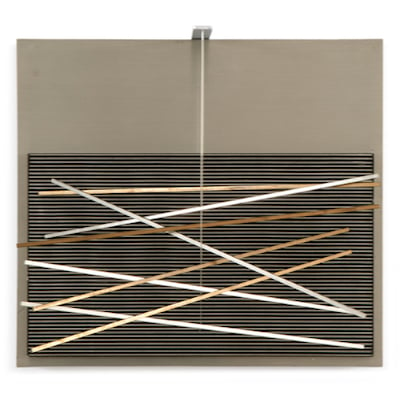
Gunther Uecker
Ouroboros 05, 2018
Limited Edition Print
Mixed Media
EUR 10,000
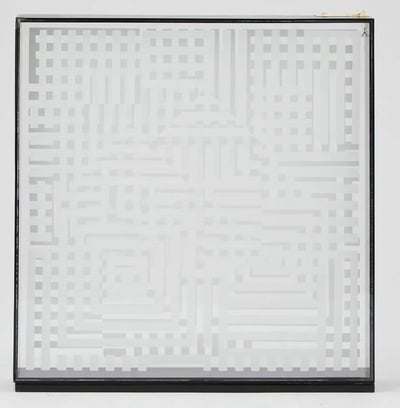
Victor Vasarely
Omega 25 Blanc, 1965
Sculpture / Object
Mixed Media
Inquire For Price

Alexander Calder
Tree, 1972
Limited Edition Print
Lithograph
EUR 3,985
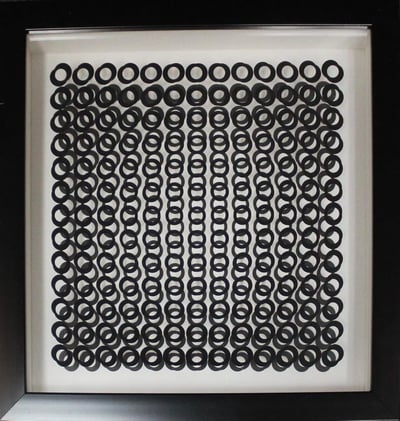
Victor Vasarely
Profound Works 7, 1973
Limited Edition Print
Serigraph
USD 500
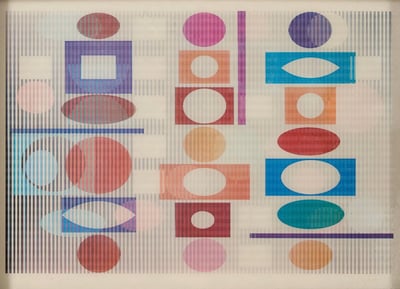
Yaacov Agam
Poly Meta
Limited Edition Print
Mixed Media
Inquire For Price
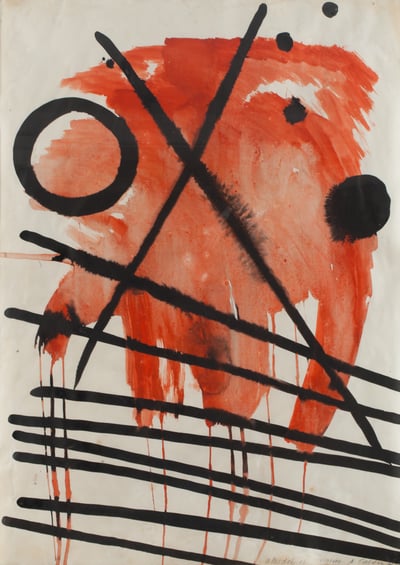
Alexander Calder
Untitled, 1961
Drawing / Watercolor
Mixed Media
Inquire For Price

Victor Vasarely
Skier, 1983
Limited Edition Print
Screen-print
Currently Not Available

Julio Le Parc
Losange Virtuel sur mirroir, 2021
Sculpture / Object
Mixed Media
EUR 20,000
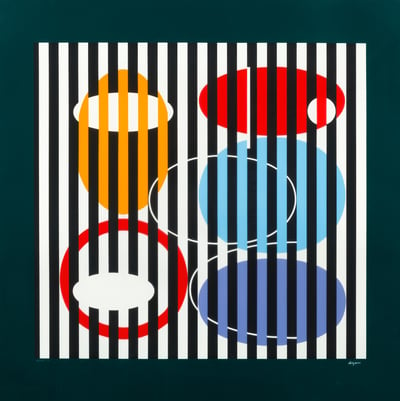
Yaacov Agam
End to end Suite, 1991
Limited Edition Print
Silkscreen
USD 1,025

Victor Vasarely
Sorbonne, 1973
Limited Edition Print
Silkscreen
USD 1,350
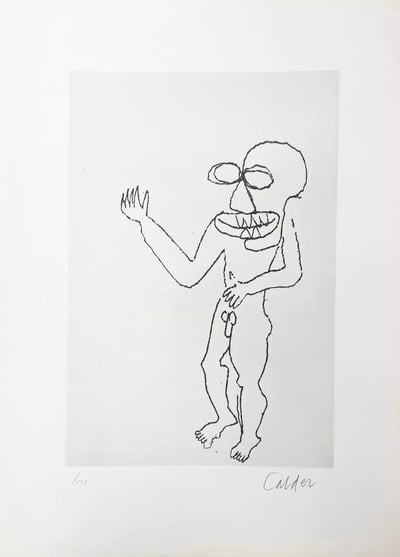
Alexander Calder
Santa Claus VIII, 1974
Limited Edition Print
Etching
USD 1,000
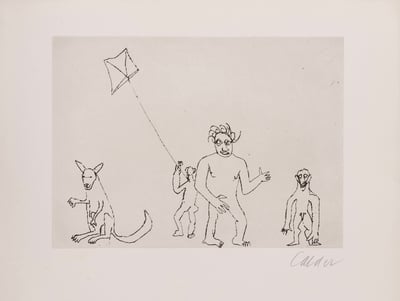
Alexander Calder
Santa Claus VII, 1974
Limited Edition Print
Etching
USD 1,150
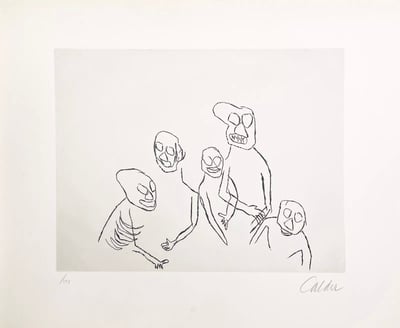
Alexander Calder
Santa Claus VI, 1974
Limited Edition Print
Etching
USD 1,000
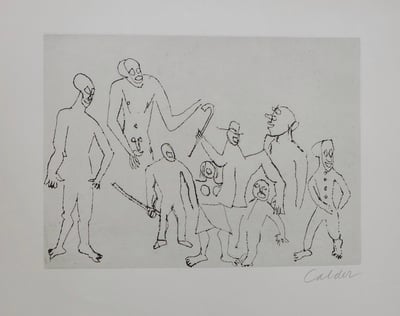
Alexander Calder
Santa Claus IV, 1974
Limited Edition Print
Etching
USD 1,000

Alexander Calder
Santa Claus III, 1974
Limited Edition Print
Etching
Inquire For Price
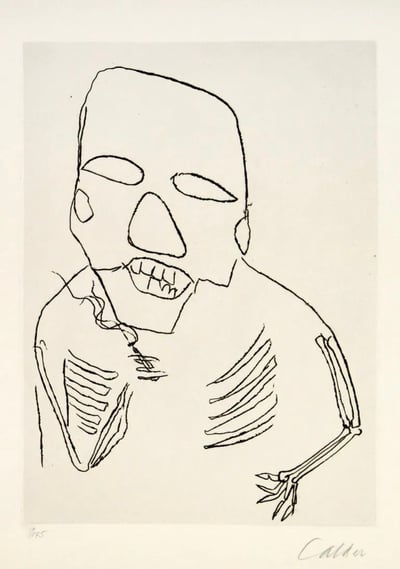
Alexander Calder
Santa Claus I, 1974
Limited Edition Print
Etching
USD 1,000
Related Articles



Graphite is a form of carbon commonly used as the core material in pencils. It can be compressed to various levels of hardness, allowing for different shading effects in drawing. In powdered form, graphite can be applied with a brush for broader, softer applications. Graphite erases easily and was first discovered in the 1500s in England's Lake District.

Recto and verso are terms used to describe the right and left pages of an open book, or the front and back of a sheet of paper. In both cases, recto refers to the right-hand page or the front of the paper, while verso refers to the left-hand page or the back of the paper. These terms are commonly used in bookbinding, printmaking, and art to distinguish between the two sides of a sheet.

Plastic is a material made from synthetic or organic compounds that can be molded into various shapes. It became a popular medium for artwork in the 20th century. Plastics can be cut, shaped, assembled, and painted with acrylics, making them versatile for creating new objects and art forms.
Can't find your Answer?
Thank you! Your question has been sent — we'll get back to you shortly.
