
What is kinetic art?
- Show All
- Established
- Discoveries
- Show All
Artworks Related to Kinetic art
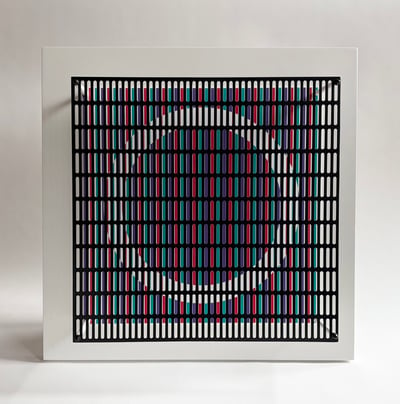
Antonio Asis
Vibration cercles mauve, rouge et turquoise, 2010
Sculpture / Object
Mixed Media
EUR 3,000
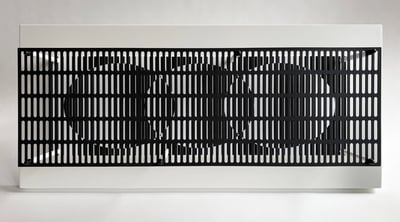
Antonio Asis
3 ovals noir et blanc, 2012
Sculpture / Object
Mixed Media
EUR 3,000

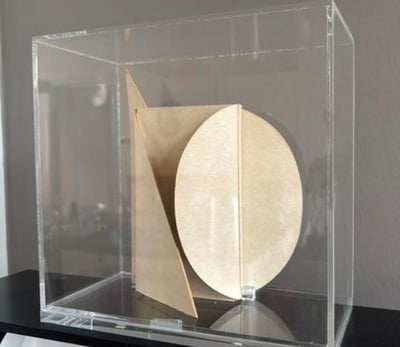
Marina Apollonio
Dinamica Circolare Ellisse Prospettico, 1969-2025
Sculpture / Object
Wood
EUR 1,500

Felipe Pantone
Optichromie 143 (diptych), 2023
Limited Edition Print
Lithograph
EUR 3,500

Marina Apollonio
Dinamica Circolare 6S, 1966-2025
Sculpture / Object
Wood
EUR 3,000

Alexander Calder
Untitled (Derriere le Miroir #201), c. 1970
Limited Edition Print
Lithograph
Inquire For Price
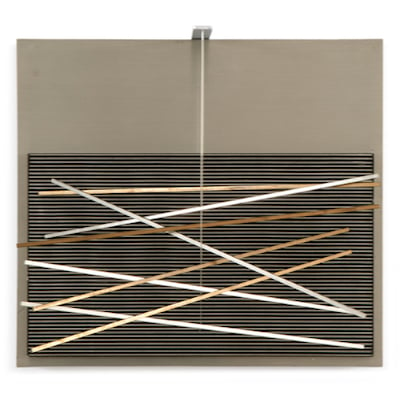
Walter Leblanc
Archetypes, 1985
Sculpture / Object
Mixed Media
EUR 15,000
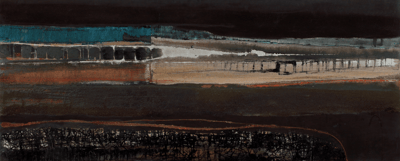
Walter Leblanc
Antwerp, 1958
Painting
Mixed Media
Inquire For Price
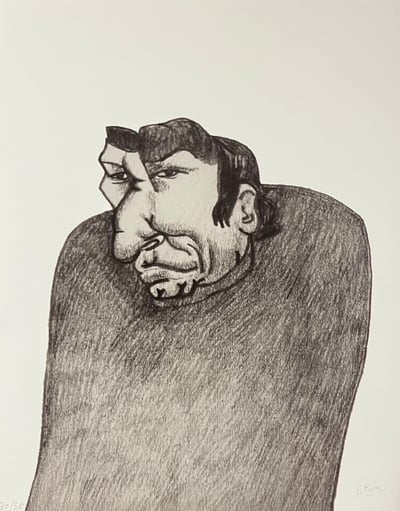
Julio Le Parc
Viscache – Self Portrait, 2025
Limited Edition Print
Digital Print on paper
EUR 550
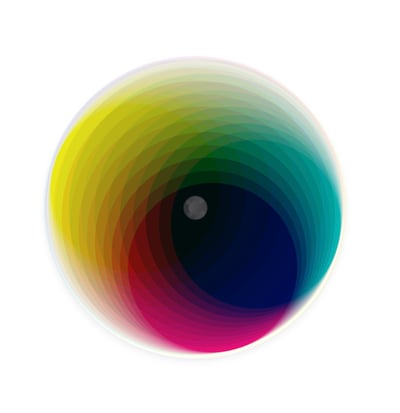
Felipe Pantone
Subtractive Variability Kosmos Axis 2, 2025
Sculpture / Object
Mixed Media
EUR 3,500
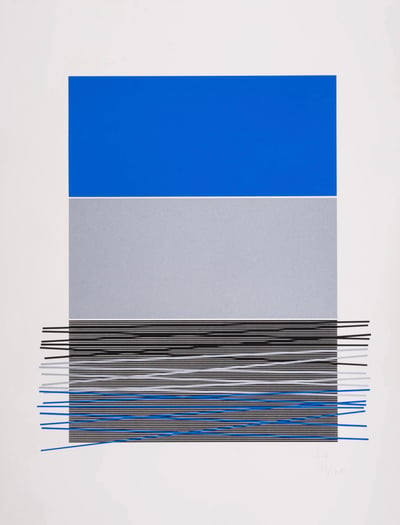
Rafael Jesus Soto
Untitled (Blue Horizon Lines), 1976
Limited Edition Print
Screen-print
USD 1,875
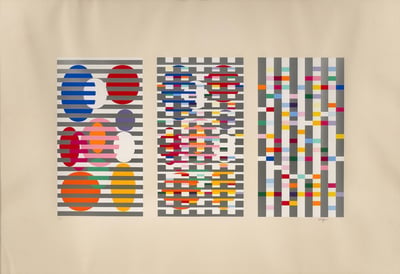
Yaacov Agam
Composition 2
Limited Edition Print
Screen-print
USD 890

Gunther Uecker
Souvenir for Verheyen, 1989
Sculpture / Object
Mixed Media
GBP 15,000 - 20,000

Felipe Pantone
Digital Glazing P, 2025
Limited Edition Print
Digital Print on paper
EUR 1,200

Luis Tomasello
Lumiere noire unique VI/X, 2011
Sculpture / Object
Mixed Media
EUR 3,500

Luis Tomasello
Lumiere noire unique V/X, 2011
Sculpture / Object
Mixed Media
EUR 3,500
Related Articles

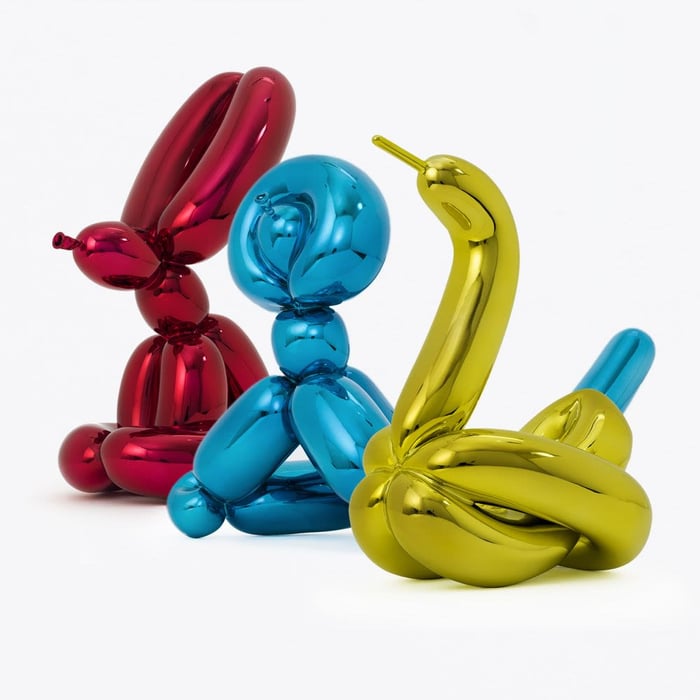
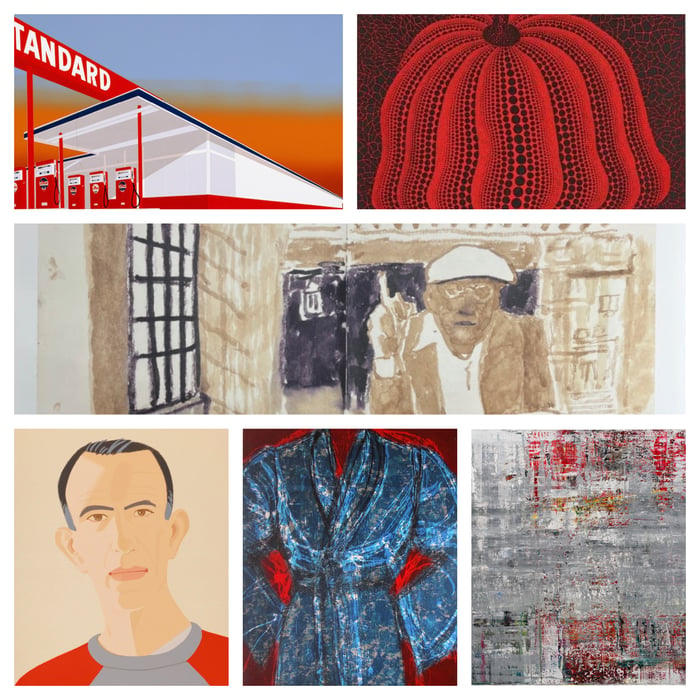
Ink is a colored liquid or paste used for writing, drawing, painting, and printing. The term also refers to the process of applying ink to mark, cover, stain, draw, or trace over pencil lines. Ink can be applied using various tools, such as pens, brushes, and quills.

Transavanguardia is the Italian version of Neo-Expressionism, referring to an art movement that emerged in Italy and other parts of Western Europe during the 1970s and 1980s. The term translates to beyond the avant-garde. Transavanguardia arose as a reaction against the dominance of conceptual art, reintroducing emotion and reviving painting as a primary medium. The movement marked a return to mythic imagery and figurative art, celebrating a rediscovery of traditional forms and themes in a contemporary context.
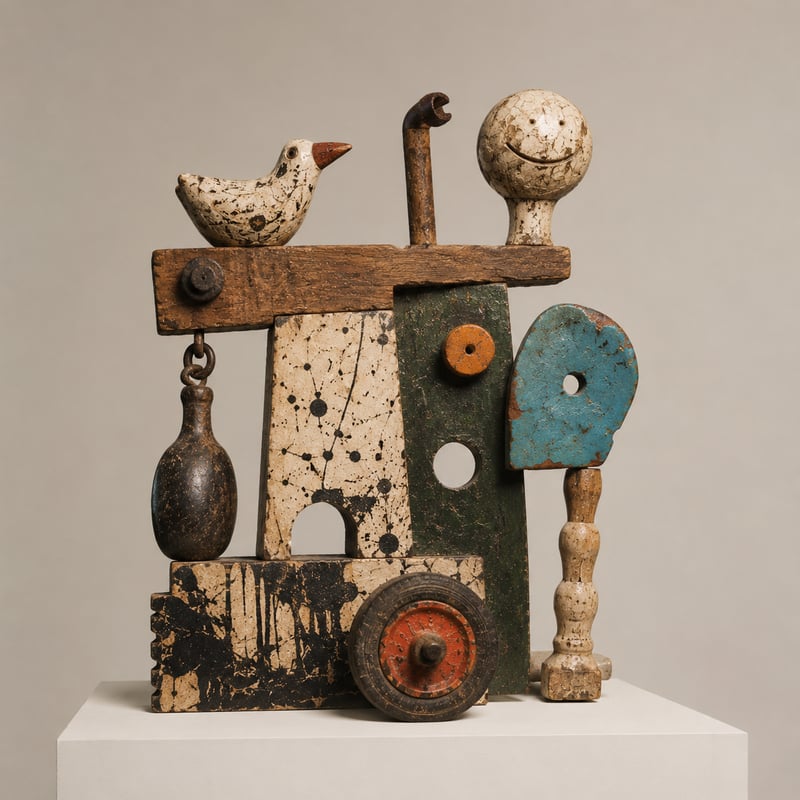
In the 1960s, Funk Art emerged as a reactive movement against Abstract Expressionism. It was widely known as an anti-establishment movement, with the name derived from the jazz term funky. This term carried both positive and negative connotations: in the jazz world, it described passion, quirkiness, and sensuality, but it could also refer to a foul odor. Funk Art was particularly popular in the California Bay Area. While the artists of the Funk Art era shared similar attitudes and styles, they did not see themselves as part of a formal group or movement.
Can't find your Answer?
Thank you! Your question has been sent — we'll get back to you shortly.
