

What is ink?
- Show All
- Established
- Discoveries
- Show All
Artworks Related to Ink
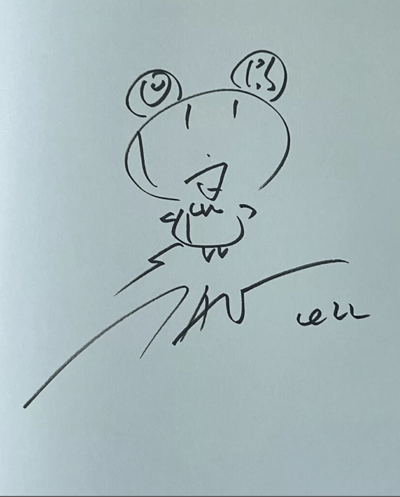
Takashi Murakami
Mr DOB, 2022
Drawing / Watercolor
Ink
GBP 15,000 - 19,500
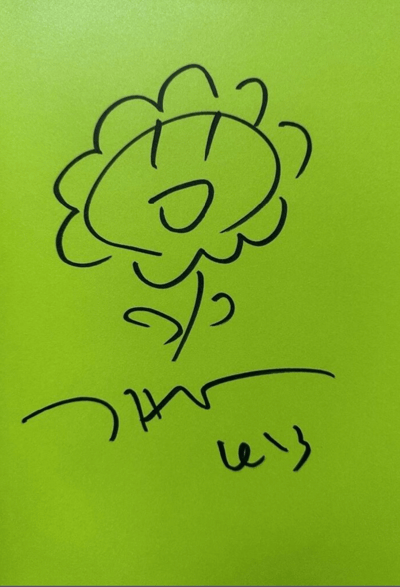
Takashi Murakami
Untitiled (Mr DOB), 2023
Drawing / Watercolor
Ink
GBP 17,500 - 22,700
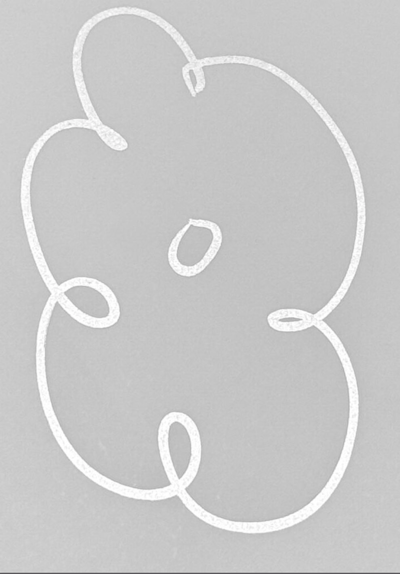
Jeff Koons
Untitled (flower), 1993
Drawing / Watercolor
Ink
GBP 35,000 - 45,000
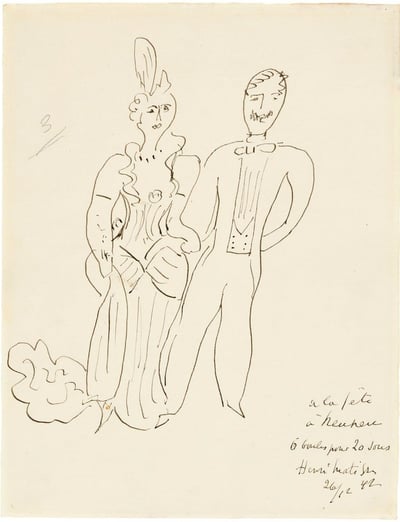
Henri Matisse
Homme et Femme, 1942
Drawing / Watercolor
Ink
Inquire For Price

Jean Tinguely
Shooting paintings, 1970
Drawing / Watercolor
Ink
EUR 4,000

Lynn Chadwick
Study for the Watcher, 1960
Drawing / Watercolor
Ink
Inquire For Price
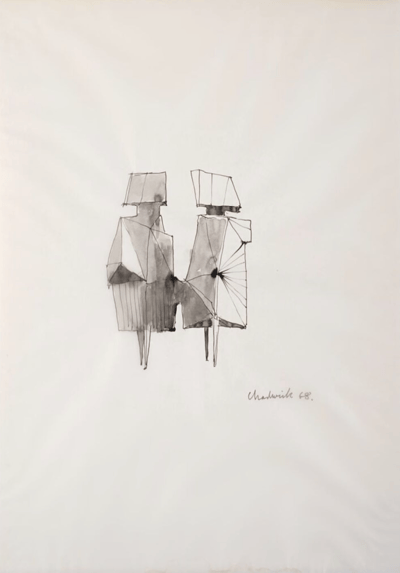
Lynn Chadwick
Two Watchers, 1968
Drawing / Watercolor
Ink
GBP 10,000 - 15,000
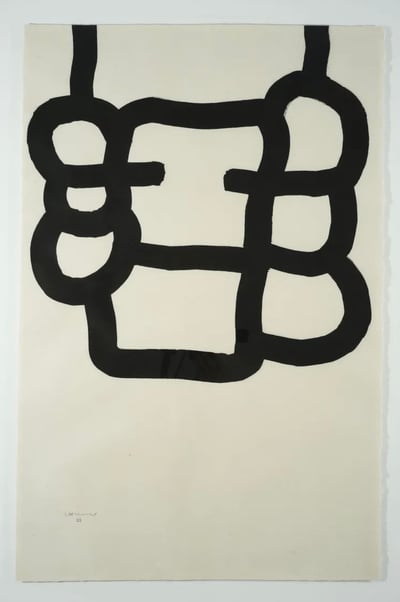
Eduardo Chillida
Untitled (Drawing), 1985
Drawing / Watercolor
Ink
Inquire For Price
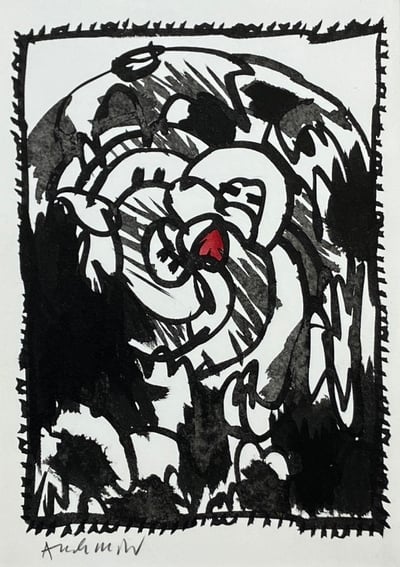
Pierre Alechinsky
Tête Bêche, 1987
Drawing / Watercolor
Ink
EUR 7,200
Tom Wesselmann
Private Listing
Drawing / Watercolor
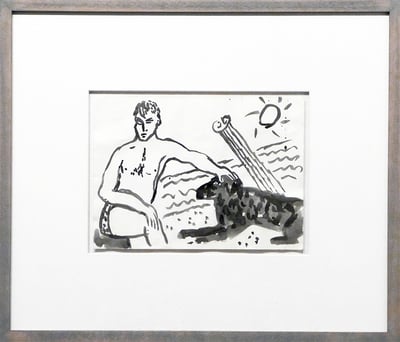
Miquel Barceló
Sin título, 1984
Drawing / Watercolor
Ink
Inquire For Price

Joe Bradley
Untitled (Angular Face), 2014
Limited Edition Print
Ink
USD 1,300

John Armleder
Étude, 1966
Drawing / Watercolor
Ink
EUR 4,000
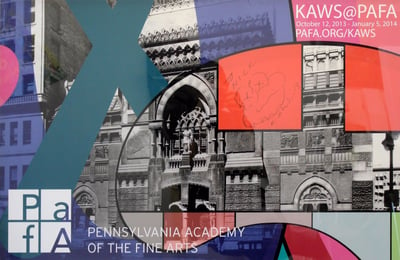
KAWS
Unique Ink Sketch on PAFA , 2013
Drawing / Watercolor
Ink
Inquire For Price
Related Articles
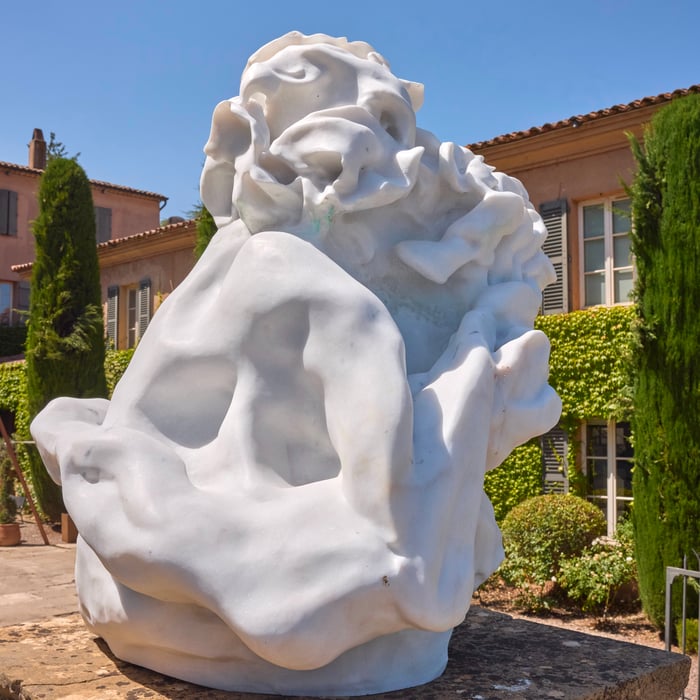
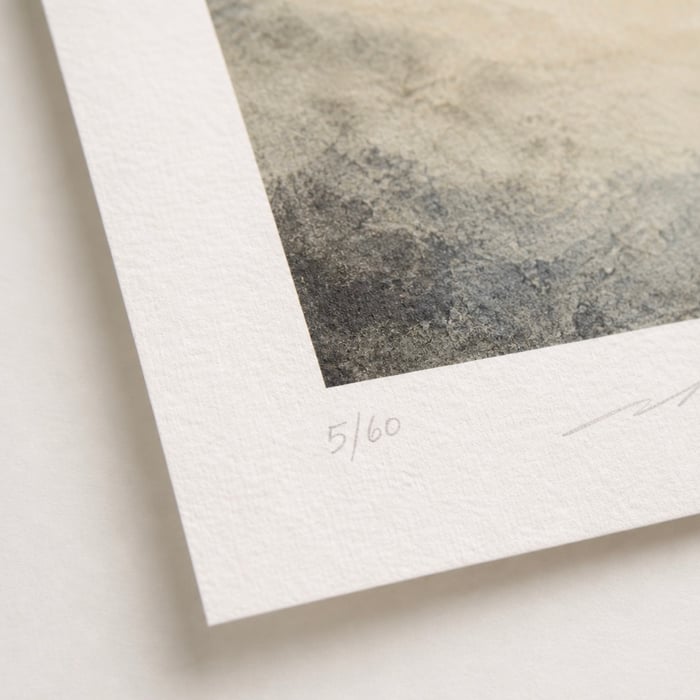
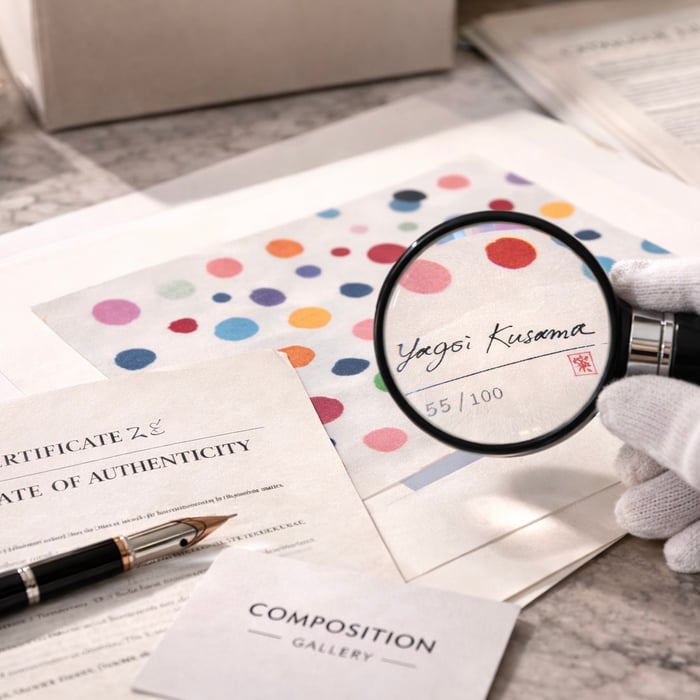
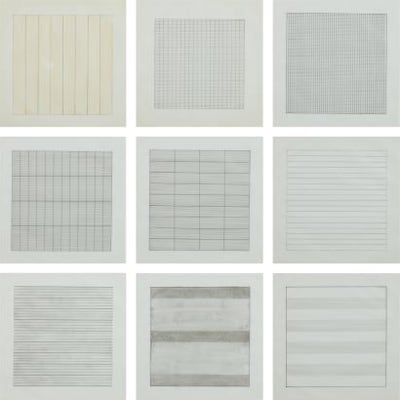
A portfolio is a collection of artworks or images assembled in a folder or digital format for storage or display. Artists often compile portfolios to showcase their work, either thematically related or varied, to present to potential clients, galleries, or institutions. Portfolios are essential tools for artists to demonstrate their skills and artistic development.
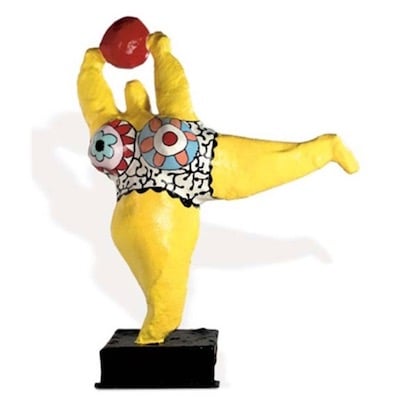
Papier-mâché is a composite material made from pieces of paper or pulp, reinforced with textiles and bound with adhesives like starch, wallpaper paste, or glue. There are two main methods to create papier-mâché: one involves layering strips of paper soaked in adhesive, while the other uses a pulp made by boiling or soaking paper and then adding glue. Though each method has a different process, both yield similar results.

Acrylic on paper is a technique that involves using acrylic paints on various paper types and textures. Artists often choose watercolor paper with smooth or rough surfaces to apply acrylics using watercolor techniques such as bleeding, washing, and spattering. This approach allows for a wide range of effects, combining the flexibility of acrylics with the delicate qualities of watercolor methods.
Can't find your Answer?
Thank you! Your question has been sent — we'll get back to you shortly.
