


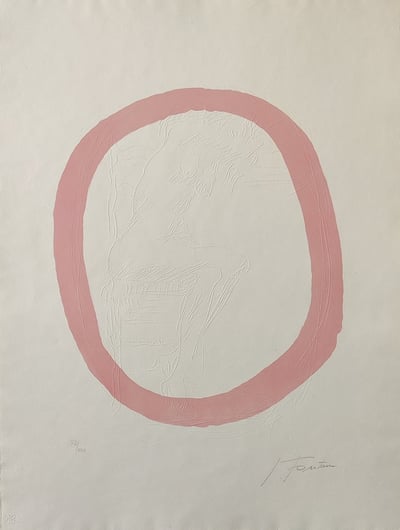
Graphein III, Ahirom von Byblos, 2002
Form
Medium
Size
- Inches
- Centimeters
Edition
Price
- USD
- EUR
- GBP
- CHF
- Authenticity Guaranteed
- Insured Shipping
- Online Since 2005

Gunther Uecker
Graphein III, Ahirom von Byblos, 2002
Limited Edition Print
Embossing
EUR 12,000

Gunther Uecker
Souvenir for Verheyen, 1989
Sculpture / Object
Mixed Media
GBP 15,000 - 20,000

Gunther Uecker
Graphein VII, Reise Kadmos, 2002
Limited Edition Print
Embossing
EUR 12,000

Gunther Uecker
Graphein VIII, Christen Ägypten, 2002
Limited Edition Print
Embossing
EUR 12,000

Gunther Uecker
Sarajewo 6, 2005
Limited Edition Print
Screen-print
EUR 1,280

Gunther Uecker
Ouroboros 05, 2018
Limited Edition Print
Mixed Media
EUR 10,000

Gunther Uecker
Baum. Kunstpranger, 1984
Sculpture / Object
Mixed Media
EUR 10,800
Gunther Uecker
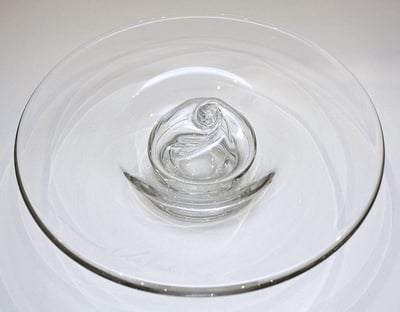
Jahresteller, 1975
Sculpture / Object
Glass
EUR 1,620

Gunther Uecker
Verletzungen-Verbindungen, 1998
Limited Edition Print
Screen-print
EUR 1,980
Gunther Uecker
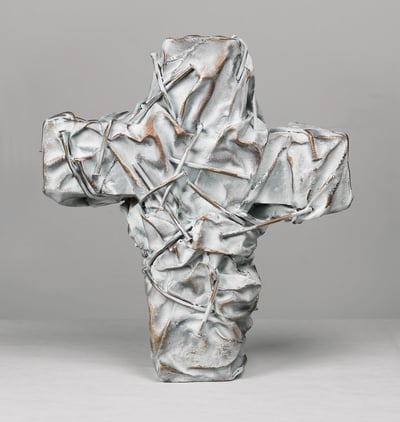
Helles Nagelkreuz, 2017
Sculpture / Object
Bronze
EUR 49,500

Gunther Uecker
Hiob Seite 16
Limited Edition Print
Silkscreen
EUR 1,800

Gunther Uecker
Ouroboros #12, 2018
Limited Edition Print
Sand
EUR 8,000

Gunther Uecker
Ouroboros #9, 2018
Limited Edition Print
Sand
EUR 8,000

Gunther Uecker
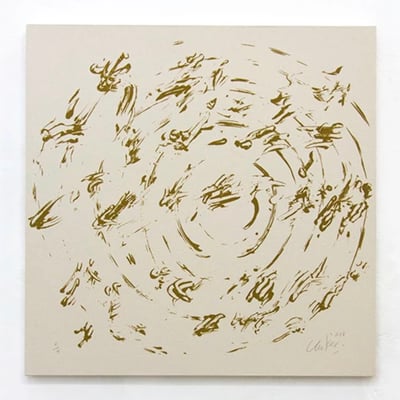
Ouroboros #7, 2018
Limited Edition Print
Sand
EUR 8,000
Gunther Uecker
Ouroboros #5, 2018
Limited Edition Print
Sand
EUR 8,000

Gunther Uecker
Ouroboros #3, 2018
Limited Edition Print
Sand
EUR 8,000

Gunther Uecker
Ouroboros (natural sand), 2018
Limited Edition Print
Screen-print
EUR 22,000

Gunther Uecker
Ouroboros #11, 2018
Limited Edition Print
Sand
EUR 8,000

Gunther Uecker
Ouroboros #10, 2018
Limited Edition Print
Sand
EUR 8,000
Gunther Uecker
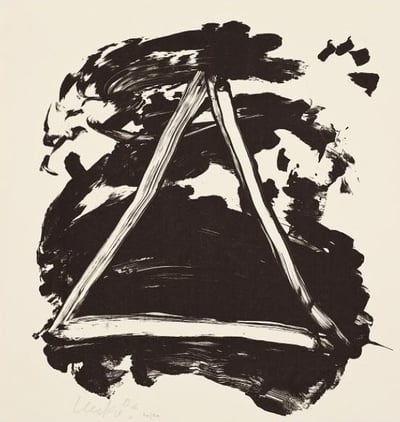
Hiob Seite 24
Limited Edition Print
Silkscreen
Currently Not Available
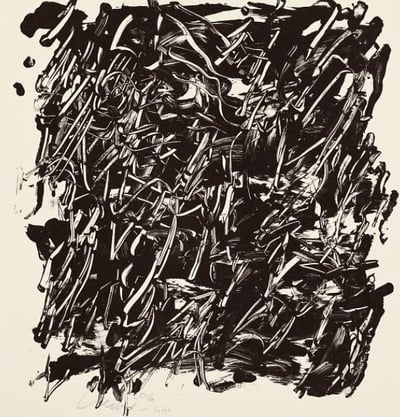
Gunther Uecker
Hiob Seite 25
Limited Edition Print
Silkscreen
Currently Not Available
Related Artists

What is activist art?
Activist Art is a form of art created to address social and political issues. It often involves public engagement and works closely with communities to raise awareness or inspire change. While it can include elements of performance art, it is not limited to this form. Examples include creating and distributing social protest posters or organizing community-based art projects that highlight specific causes.

Gunther Uecker
Graphein III, Ahirom von Byblos, 2002
70 x 50 cm


