


Niels Bohr, 1981
Form
Medium
Size
- Inches
- Centimeters
Edition
Price
- Authenticity Guaranteed
- Insured Shipping
- Online Since 2005
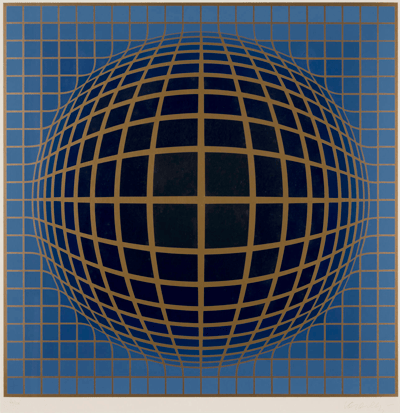
Victor Vasarely
B-Bomb-b (4), 1974
Limited Edition Print
Screen-print
Inquire For Price

Victor Vasarely
B-Bomb-b (3), 1974
Limited Edition Print
Screen-print
Inquire For Price

Victor Vasarely
B-Bomb-b (2), 1974
Limited Edition Print
Screen-print
Inquire For Price
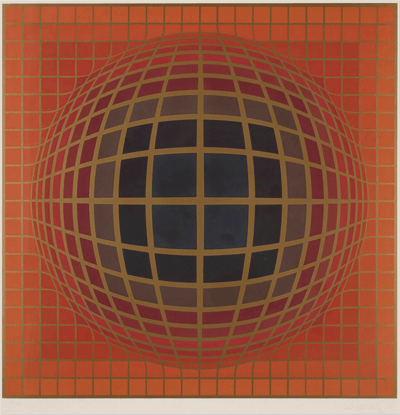
Victor Vasarely
B-Bomb-b (1), 1974
Limited Edition Print
Screen-print
Inquire For Price

Victor Vasarely
Gordes Gestalt, 1948
Limited Edition Print
Etching
EUR 1,500
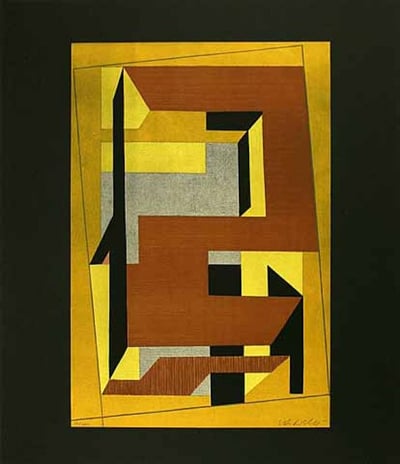
Victor Vasarely
Gordes Taira, 1971
Limited Edition Print
Lithograph
EUR 1,500

Victor Vasarely
La Certa, 1981
Limited Edition Print
Screen-print
EUR 1,400

Victor Vasarely
Gordes Tabor, 1971
Limited Edition Print
Lithograph
EUR 1,400

Victor Vasarely
Olla, 1988
Limited Edition Print
Silkscreen
Inquire For Price

Victor Vasarely
Thez I, 1986
Limited Edition Print
Silkscreen
Inquire For Price

Victor Vasarely
Metagalaxie, 1989
Limited Edition Print
Silkscreen
Inquire For Price
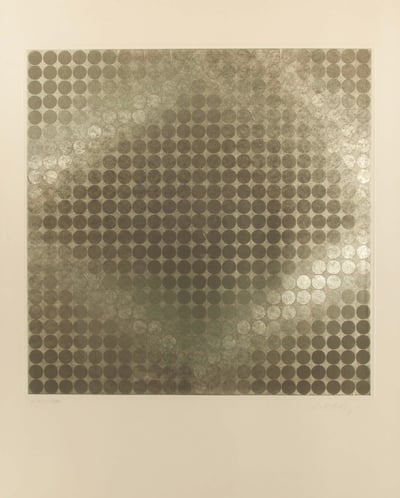
Victor Vasarely
Di.am, ca. 1980
Limited Edition Print
Silkscreen
Inquire For Price
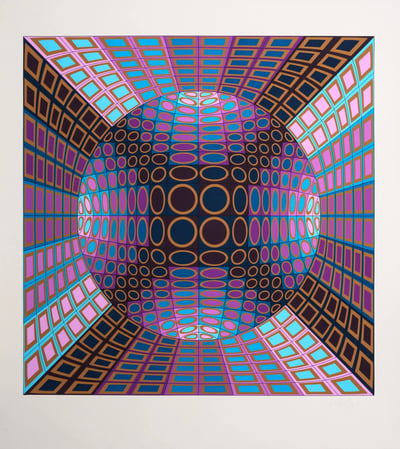
Victor Vasarely
Niels Bohr, 1981
Limited Edition Print
Silkscreen
Inquire For Price
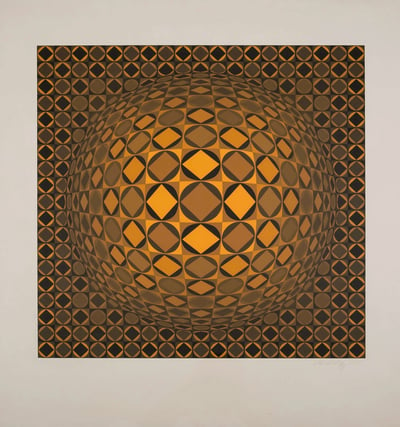
Victor Vasarely
Sann (Benavides 891), 1981
Limited Edition Print
Screen-print
Inquire For Price
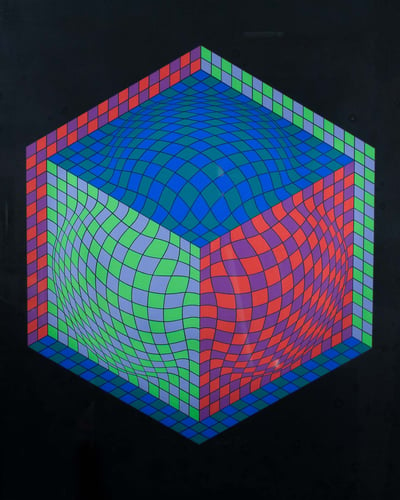
Victor Vasarely
Dagg 2, 1981
Limited Edition Print
Screen-print
Inquire For Price
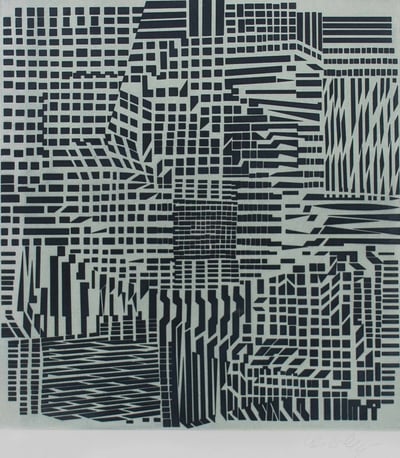
Victor Vasarely
Hommage a Bach III, ca. 1980
Limited Edition Print
Etching and Aquatint
Inquire For Price

Victor Vasarely
Felhoe (Benavides 1876), 1989
Sculpture / Object
Mixed Media
USD 3,750
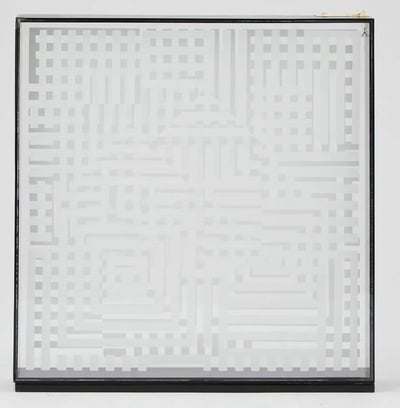
Victor Vasarely
Omega 25 Blanc, 1965
Sculpture / Object
Mixed Media
Inquire For Price
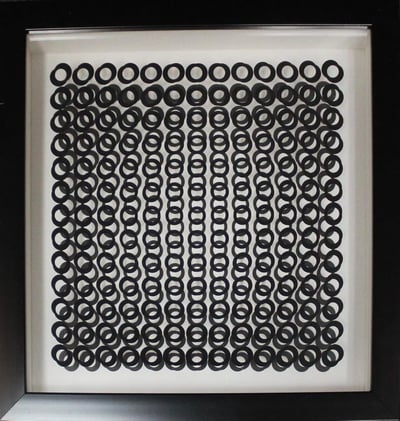
Victor Vasarely
Profound Works 7, 1973
Limited Edition Print
Serigraph
USD 500

Victor Vasarely
Sorbonne, 1973
Limited Edition Print
Silkscreen
USD 1,350

Victor Vasarely
The Juggler, 1977
Limited Edition Print
Serigraph
USD 1,150

Victor Vasarely
OETA, 1959
Limited Edition Print
Screen-print
USD 1,000
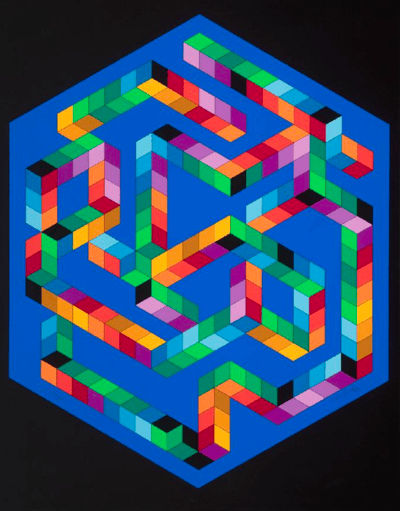
Victor Vasarely
Babel 3, 1978
Limited Edition Print
Screen-print
USD 950
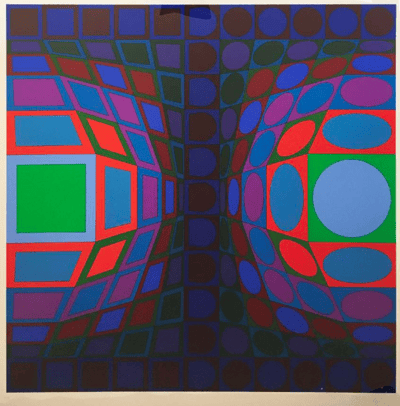
Victor Vasarely
Viva, 1974
Limited Edition Print
Screen-print
USD 1,100

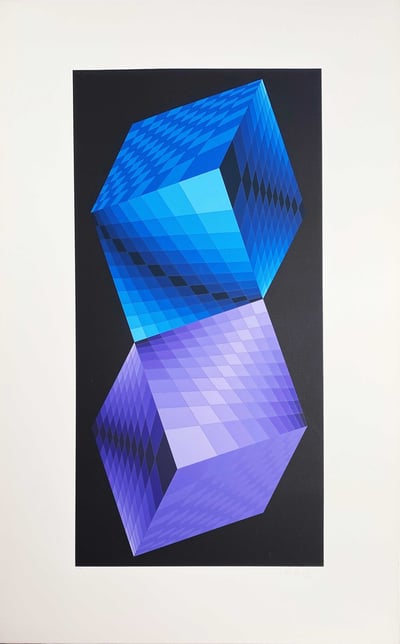
Victor Vasarely
Composition
Limited Edition Print
Lithograph
EUR 1,350
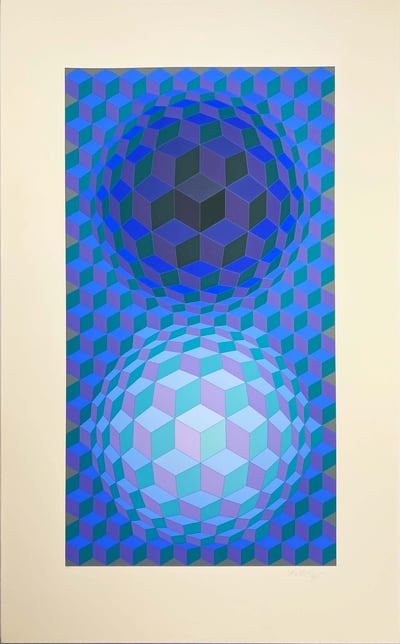
Victor Vasarely
Album Meta: Seven Plates 7, 1976
Limited Edition Print
Screen-print
USD 3,700
Victor Vasarely
Album Meta: Seven Plates 5, 1976
Limited Edition Print
Screen-print
USD 3,700

Victor Vasarely
Album Meta: Seven Plates 2, 1976
Limited Edition Print
Screen-print
USD 3,700

Victor Vasarely
Album Meta: Seven Plates 4, 1976
Limited Edition Print
Screen-print
USD 3,700

Victor Vasarely
Attika 3, 1990
Limited Edition Print
Screen-print
USD 1,250
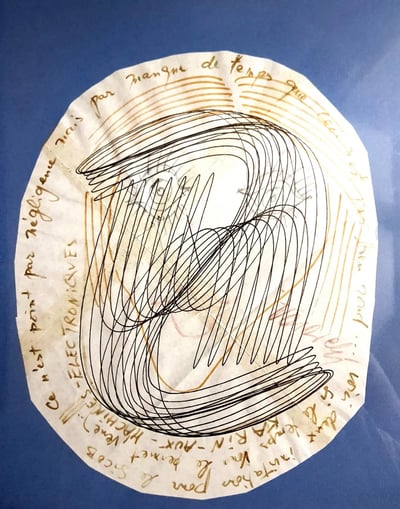
Victor Vasarely
Face, 1970s
Drawing / Watercolor
Pen and ink
EUR 3,650
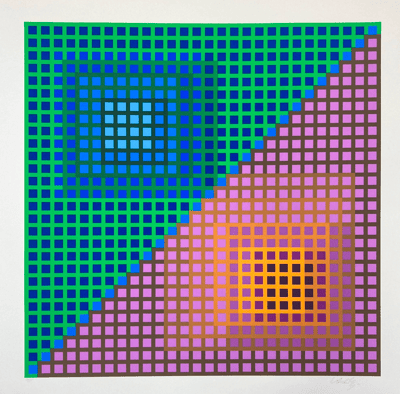
Victor Vasarely
Lum, 1982
Limited Edition Print
Lithograph
USD 1,250
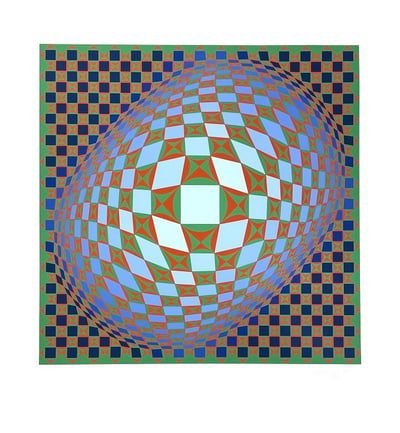
Victor Vasarely
Vilag
Limited Edition Print
Screen-print
EUR 2,300

Victor Vasarely
Omega V, 1979
Limited Edition Print
Serigraph
Inquire For Price
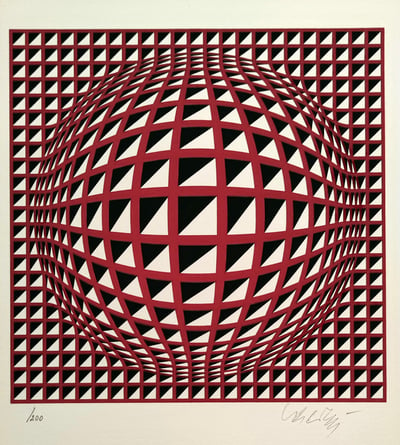
Victor Vasarely
Terz Liten, 1978
Limited Edition Print
Screen-print
EUR 650
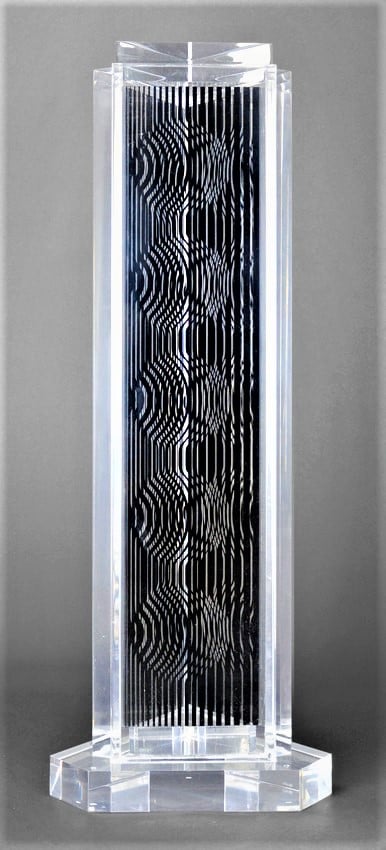
Victor Vasarely
HOLLD (Moire tower), 1990
Sculpture / Object
Mixed Media
EUR 5,500

Victor Vasarely
Hommage a Bartók, 1981
Limited Edition Print
Screen-print
EUR 1,500

Victor Vasarely
The Tennis Player, 1980
Limited Edition Print
Silkscreen
USD 650

Victor Vasarely
Flower Girl, 1980
Limited Edition Print
Silkscreen
USD 2,000

Victor Vasarely
Vega
Limited Edition Print
Silkscreen
USD 780

Victor Vasarely
Broey Neg
Limited Edition Print
Serigraph
EUR 950
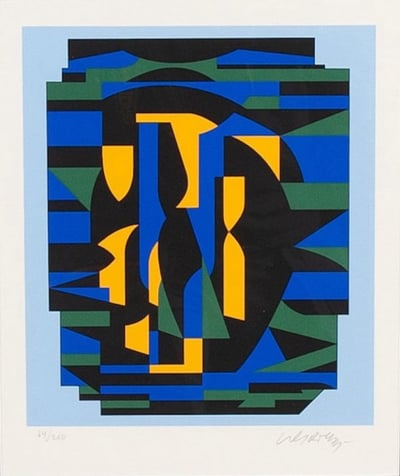
Victor Vasarely
Untitled ( From Ion)
Limited Edition Print
Serigraph
EUR 950

Victor Vasarely
Kervilahuen-BL, 1985
Limited Edition Print
Serigraph
Artwork On Hold
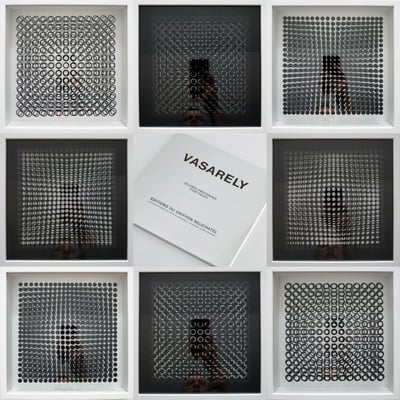
Victor Vasarely
Oeuvres Profondes Cinetiques
Limited Edition Print
Serigraph
EUR 1,500
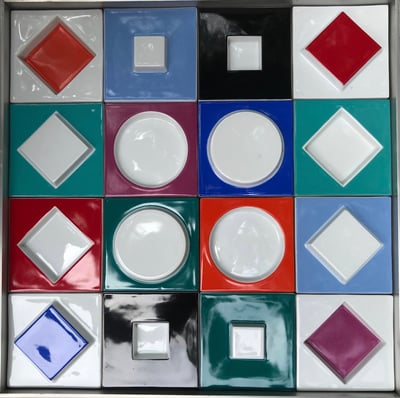
Victor Vasarely
Composition Caree Relief, 1970
Sculpture / Object
Ceramic
EUR 4,850

Victor Vasarely
Orgovan, 1984
Limited Edition Print
Screen-print
EUR 1,250

Victor Vasarely
Cinetiques portfolio, 1973
Limited Edition Print
Serigraph
EUR 1,300
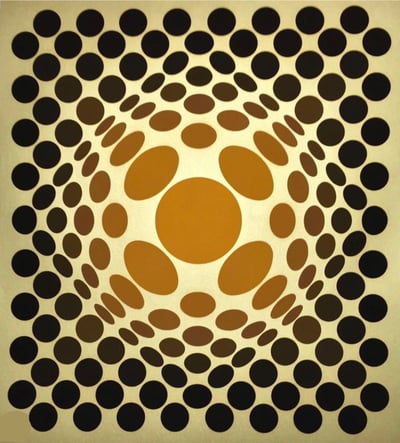
Victor Vasarely
Tewek, 1978
Limited Edition Print
Silkscreen
USD 1,850

Victor Vasarely
Purple long, 1977
Limited Edition Print
Silkscreen
USD 1,700
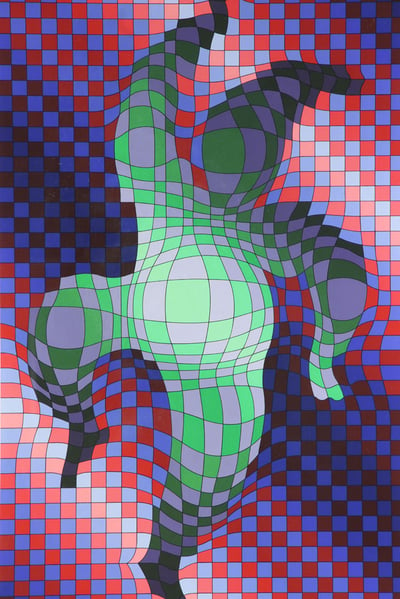
Victor Vasarely
Harlequin
Limited Edition Print
Silkscreen
USD 2,300

Victor Vasarely
Planeta, 1972
Limited Edition Print
Silkscreen
USD 1,900

Victor Vasarely
Koskota, 1976
Limited Edition Print
Silkscreen
USD 1,550

Victor Vasarely
Kaldor, 1980
Limited Edition Print
Silkscreen
USD 1,900

Victor Vasarely
Hang, 1979
Limited Edition Print
Silkscreen
USD 1,550

Victor Vasarely
Dauve, 1978
Limited Edition Print
Silkscreen
USD 1,550

Victor Vasarely
Vertigo, 1982
Limited Edition Print
Silkscreen
USD 1,550

Victor Vasarely
Togonne, 1987
Limited Edition Print
Lithograph
EUR 2,330
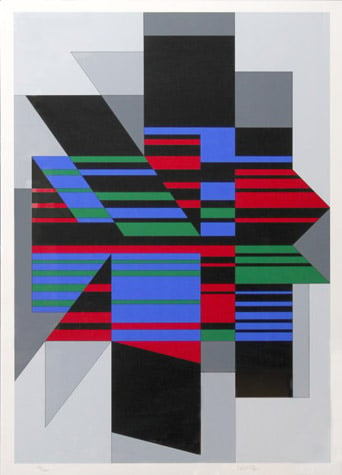
Victor Vasarely
Attila, 1990
Limited Edition Print
Screen-print
EUR 1,900

Victor Vasarely
VY-29-C, 1973
Limited Edition Print
Serigraph
EUR 2,200

Victor Vasarely
Firka
Limited Edition Print
Silkscreen
EUR 1,700

Victor Vasarely
Gordes Nives, 1971
Limited Edition Print
Lithograph
EUR 1,400
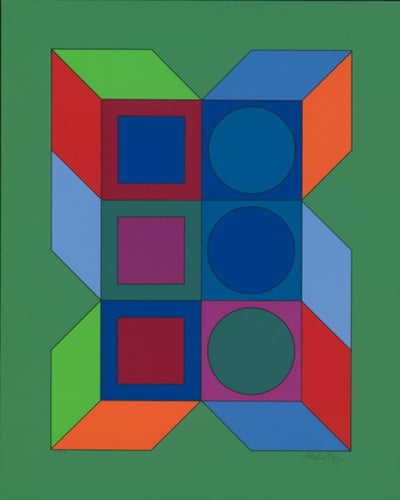
Victor Vasarely
XLV
Limited Edition Print
Silkscreen
EUR 2,200
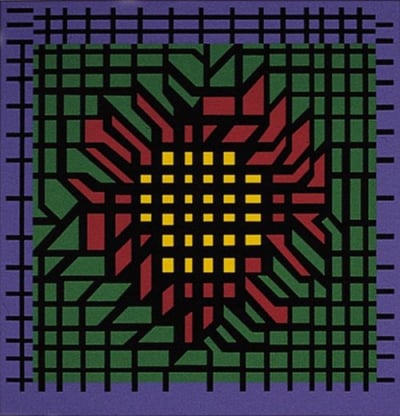
Victor Vasarely
Kat-Zag, 1980
Limited Edition Print
Lithograph
EUR 1,980

Victor Vasarely
Drawing I
Drawing / Watercolor
Mixed Media
EUR 4,500

Victor Vasarely
Drawing II
Drawing / Watercolor
Mixed Media
EUR 4,500
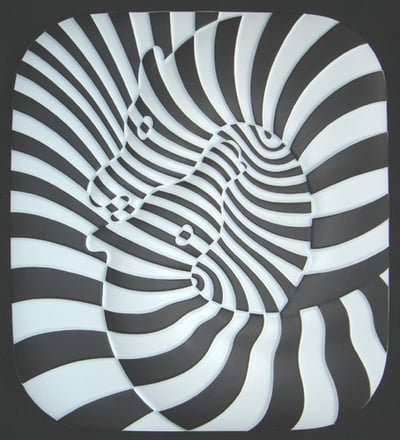
Victor Vasarely
Zebra Ceramique, 1977
Sculpture / Object
Ceramic
EUR 1,600
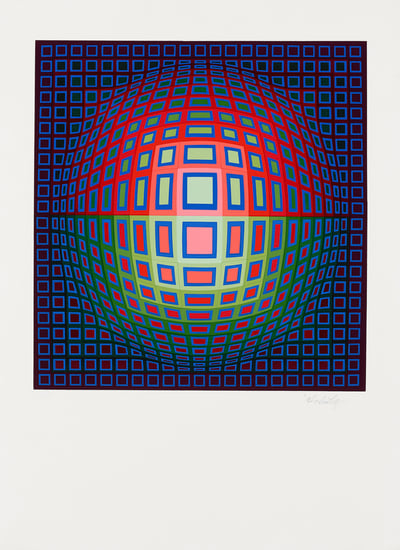
Victor Vasarely
Blue Composition, c. 1980
Limited Edition Print
Serigraph
EUR 1,500
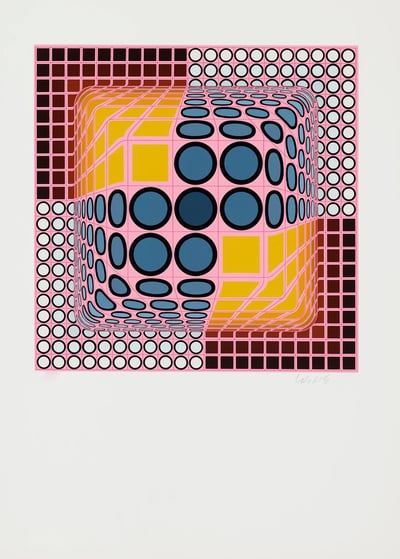
Victor Vasarely
Pink Composition, c. 1980
Limited Edition Print
Serigraph
EUR 1,500

Victor Vasarely
Skier, 1983
Limited Edition Print
Screen-print
Currently Not Available
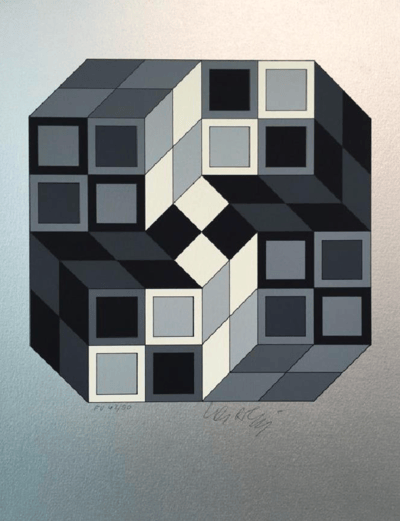
Victor Vasarely
Silver Composition, 1980
Limited Edition Print
Screen-print
Currently Not Available
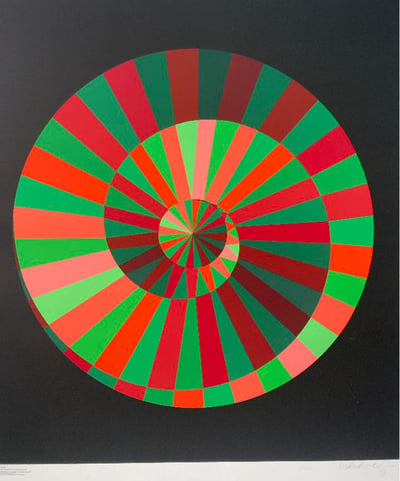
Victor Vasarely
Kraft und Natur I, 1972
Limited Edition Print
Screen-print
Currently Not Available

Victor Vasarely
Diorre, 1980s
Limited Edition Print
Silkscreen
Currently Not Available

Victor Vasarely
Pleionne, 1990
Sculpture / Object
Acrylic sculpture
Currently Not Available
Related Artists

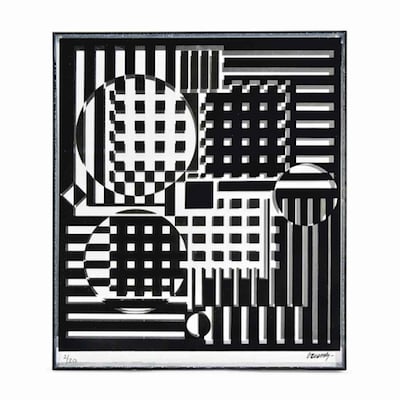
What is Op Art?
Op Art is a visual art style that uses optical illusions to create the impression of movement, vibrating patterns, flashing, or hidden images. The works are typically abstract, with many well-known pieces in black and white. The roots of Op Art can be traced back to earlier movements like Futurism, Constructivism, Dada, and Neo-Impressionism, particularly in their use of color effects and graphic design.


Victor Vasarely
Niels Bohr, 1981
80 x 70 cm


