

Hungary
Hungary's contemporary art scene is a captivating blend of history and modernity, encapsulating the nation's unique cultural evolution. Key venues such as the Ludwig Museum in Budapest and the MODEM Centre for Modern and Contemporary Arts in Debrecen celebrate this balance. Artists like El Kazovsky, remembered for his surrealist paintings, and Dóra Maurer, recognized internationally for her conceptual and visual art, carry forward the legacy of Hungarian creativity. As Budapest's Art Market grows annually, new talents are continually emerging, enriching the nation's artistic profile. Explore Hungary's dynamic contemporary art at Composition Gallery's website.
Artworks Related to Hungary
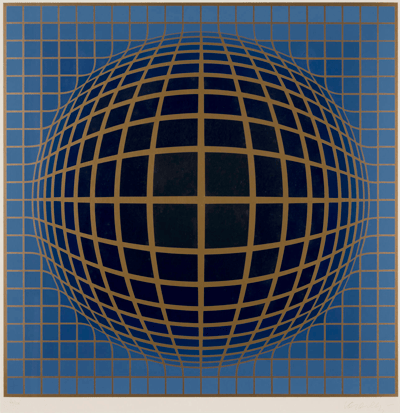
Victor Vasarely
B-Bomb-b (4), 1974
Limited Edition Print
Screen-print
Inquire For Price

Victor Vasarely
B-Bomb-b (3), 1974
Limited Edition Print
Screen-print
Inquire For Price

Victor Vasarely
B-Bomb-b (2), 1974
Limited Edition Print
Screen-print
Inquire For Price
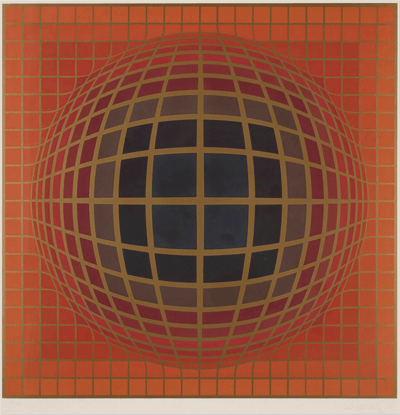
Victor Vasarely
B-Bomb-b (1), 1974
Limited Edition Print
Screen-print
Inquire For Price

Victor Vasarely
Gordes Gestalt, 1948
Limited Edition Print
Etching
EUR 1,500
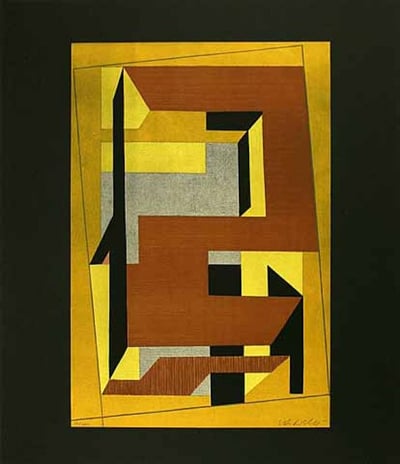
Victor Vasarely
Gordes Taira, 1971
Limited Edition Print
Lithograph
EUR 1,500

Victor Vasarely
La Certa, 1981
Limited Edition Print
Screen-print
EUR 1,400

Victor Vasarely
Gordes Tabor, 1971
Limited Edition Print
Lithograph
EUR 1,400

Victor Vasarely
Olla, 1988
Limited Edition Print
Silkscreen
Inquire For Price

Victor Vasarely
Thez I, 1986
Limited Edition Print
Silkscreen
Inquire For Price

Victor Vasarely
Metagalaxie, 1989
Limited Edition Print
Silkscreen
Inquire For Price
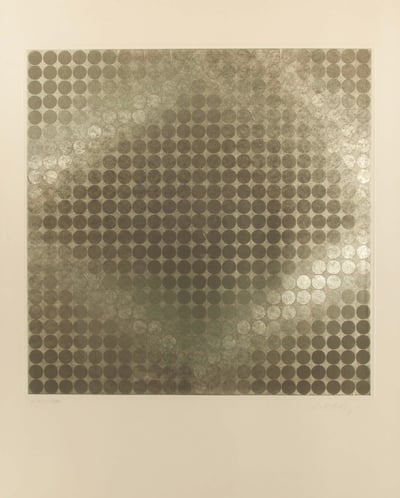
Victor Vasarely
Di.am, ca. 1980
Limited Edition Print
Silkscreen
Inquire For Price
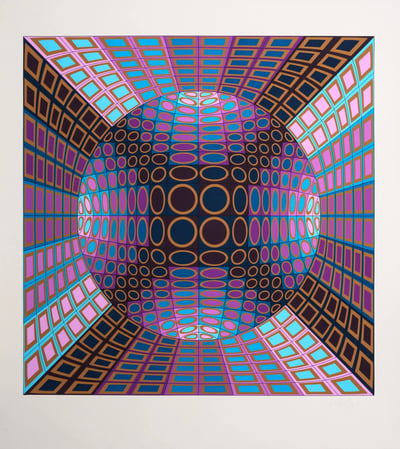
Victor Vasarely
Niels Bohr, 1981
Limited Edition Print
Silkscreen
Inquire For Price
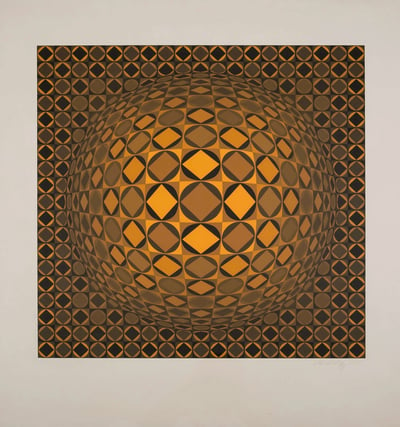
Victor Vasarely
Sann (Benavides 891), 1981
Limited Edition Print
Screen-print
Inquire For Price
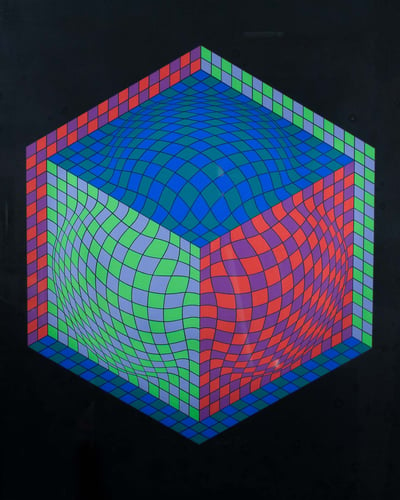
Victor Vasarely
Dagg 2, 1981
Limited Edition Print
Screen-print
Inquire For Price
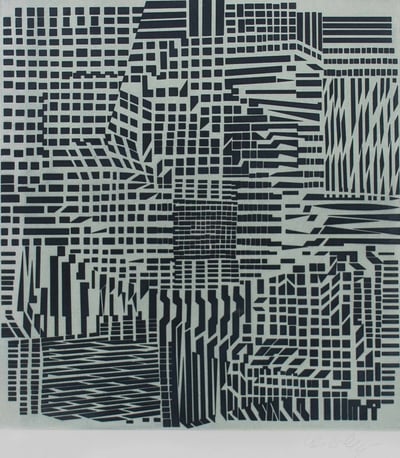
Victor Vasarely
Hommage a Bach III, ca. 1980
Limited Edition Print
Etching and Aquatint
Inquire For Price
Related Articles

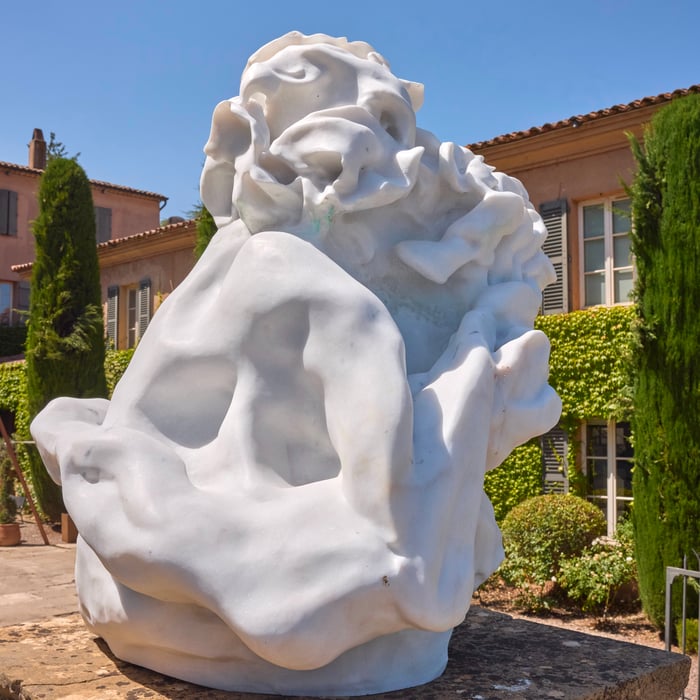
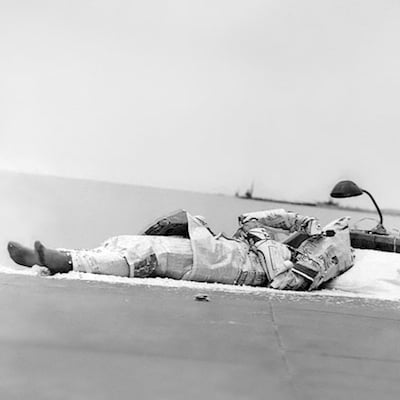
A Happening is a term used to describe artistic and theatrical events held by artists in the 1950s and 60s. These events were typically staged in gallery installations or planned environments and often involved audience participation, along with elements like lighting, sounds, and slide projections. Happenings were a precursor to performance art, which later included the active participation of the artists themselves.
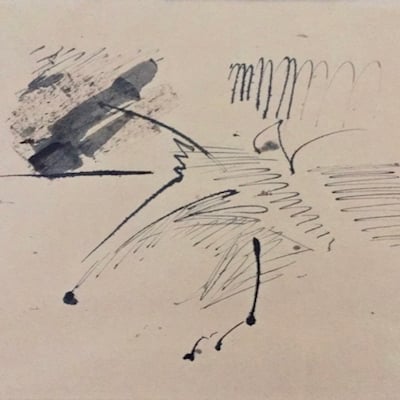
Art Informel is a French term referring to the gestural and improvisational techniques common in abstract painting during the 1940s and 50s. It encompasses various styles that dominated these decades, characterized by informal, spontaneous methods. Artists used this term to describe approaches that moved away from traditional structures and embraced more expressive, unstructured techniques.
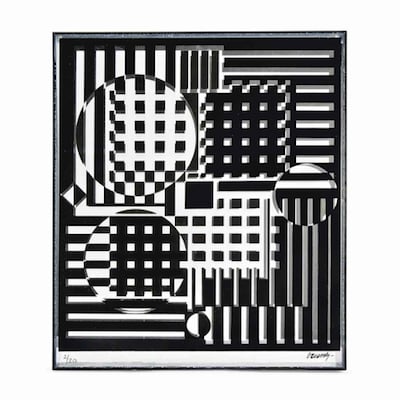
Op Art is a visual art style that uses optical illusions to create the impression of movement, vibrating patterns, flashing, or hidden images. The works are typically abstract, with many well-known pieces in black and white. The roots of Op Art can be traced back to earlier movements like Futurism, Constructivism, Dada, and Neo-Impressionism, particularly in their use of color effects and graphic design.
Can't find your Answer?
Thank you! Your question has been sent — we'll get back to you shortly.
