

Hungary
Hungary's contemporary art scene is a captivating blend of history and modernity, encapsulating the nation's unique cultural evolution. Key venues such as the Ludwig Museum in Budapest and the MODEM Centre for Modern and Contemporary Arts in Debrecen celebrate this balance. Artists like El Kazovsky, remembered for his surrealist paintings, and Dóra Maurer, recognized internationally for her conceptual and visual art, carry forward the legacy of Hungarian creativity. As Budapest's Art Market grows annually, new talents are continually emerging, enriching the nation's artistic profile. Explore Hungary's dynamic contemporary art at Composition Gallery's website.
Artworks Related to Hungary

Victor Vasarely
Attika 3, 1990
Limited Edition Print
Screen-print
USD 1,250
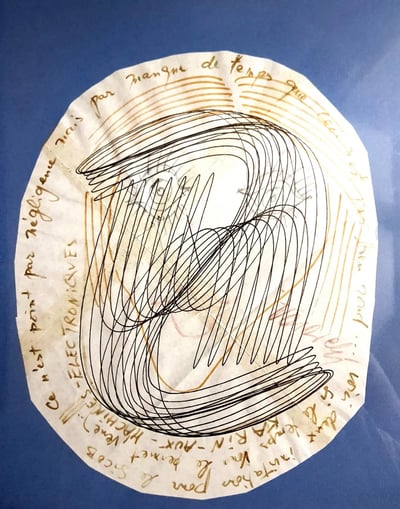
Victor Vasarely
Face, 1970s
Drawing / Watercolor
Pen and ink
EUR 3,650
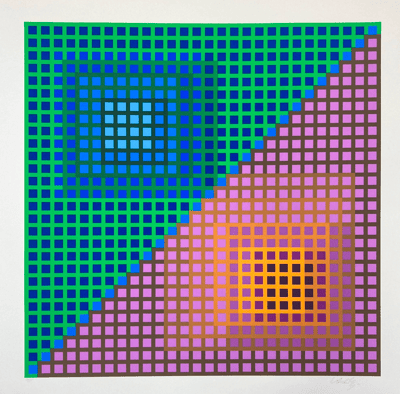
Victor Vasarely
Lum, 1982
Limited Edition Print
Lithograph
USD 1,250

Victor Vasarely
Diorre, 1980s
Limited Edition Print
Silkscreen
Currently Not Available
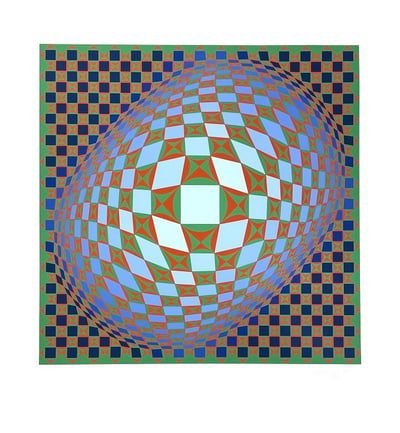
Victor Vasarely
Vilag
Limited Edition Print
Screen-print
EUR 2,300

Victor Vasarely
Omega V, 1979
Limited Edition Print
Serigraph
Inquire For Price
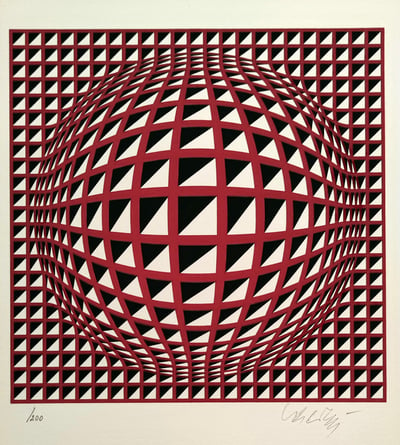
Victor Vasarely
Terz Liten, 1978
Limited Edition Print
Screen-print
EUR 650

Vera Molnar
Hyper transformation, 1974
Limited Edition Print
Screen-print
Currently Not Available
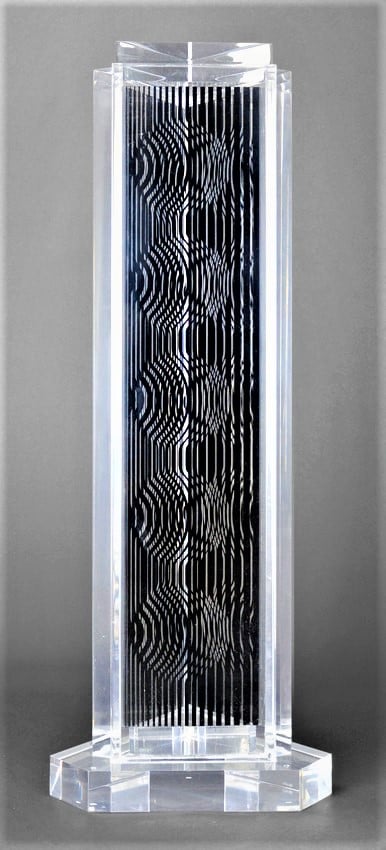
Victor Vasarely
HOLLD (Moire tower), 1990
Sculpture / Object
Mixed Media
EUR 5,500

Victor Vasarely
Hommage a Bartók, 1981
Limited Edition Print
Screen-print
EUR 1,500

Victor Vasarely
The Tennis Player, 1980
Limited Edition Print
Silkscreen
USD 650

Victor Vasarely
Flower Girl, 1980
Limited Edition Print
Silkscreen
USD 2,000

Victor Vasarely
Vega
Limited Edition Print
Silkscreen
USD 780

Victor Vasarely
Broey Neg
Limited Edition Print
Serigraph
EUR 950
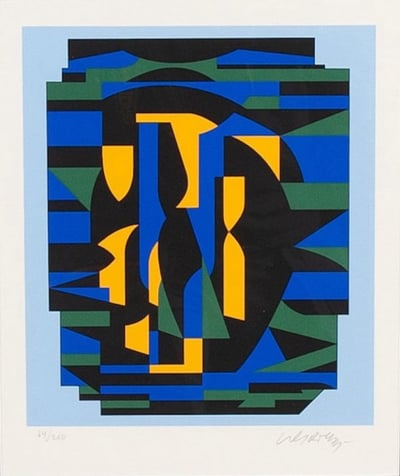
Victor Vasarely
Untitled ( From Ion)
Limited Edition Print
Serigraph
EUR 950

Victor Vasarely
Kervilahuen-BL, 1985
Limited Edition Print
Serigraph
Artwork On Hold
Related Articles


Neo-Dada is a minor visual and audio art movement with intents similar to those of Dada artwork. While it revives some of Dada's objectives, Neo-Dada emphasizes the importance of the produced artwork rather than the concept behind it. The movement is considered the foundation of Pop Art, Nouveau Réalisme, and Fluxus. Neo-Dada is known for its use of absurdist contrasts, popular imagery, and modern materials, blending high and low culture in a way that challenges traditional artistic conventions.
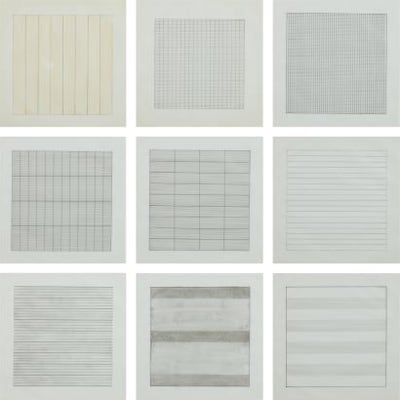
A portfolio is a collection of artworks or images assembled in a folder or digital format for storage or display. Artists often compile portfolios to showcase their work, either thematically related or varied, to present to potential clients, galleries, or institutions. Portfolios are essential tools for artists to demonstrate their skills and artistic development.
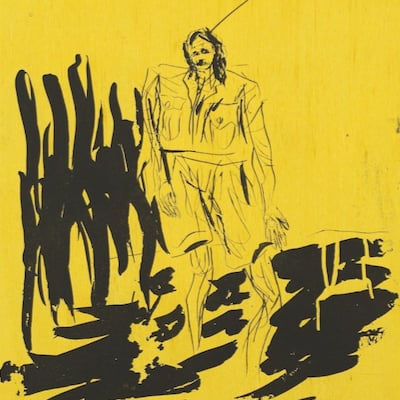
Neue Wilden is the term German artists used for Neo-Expressionism. In the 1970s and 80s, expressive painting re-emerged in Germany, with artists embracing intense colors and broad brushstrokes. The movement grew in opposition to minimal and conceptual art, favoring a return to raw, emotional expression through bold and dynamic painting techniques.
Can't find your Answer?
Thank you! Your question has been sent — we'll get back to you shortly.
