
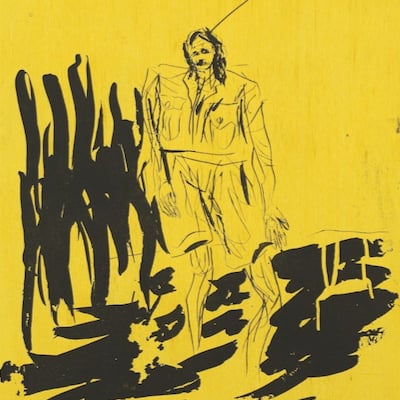
Who are the Neue Wilden?
- Show All
- Established
- Discoveries
- Show All
Artworks Related to Neue Wilden
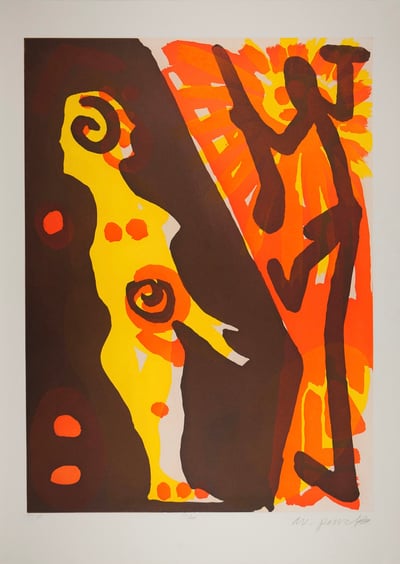
A.R. Penck
Serie I Rächer, 1991
Limited Edition Print
Etching and Aquatint
EUR 2,800
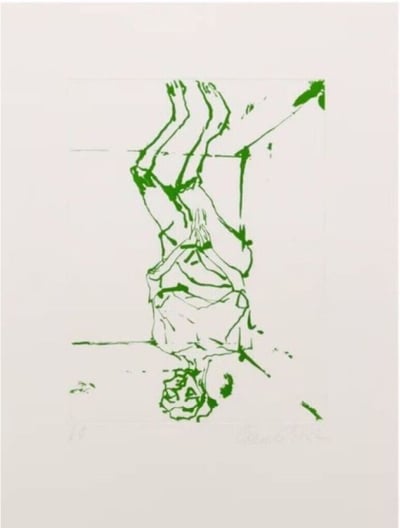
Georg Baselitz
Serpentine - green, 2022
Limited Edition Print
Etching and Aquatint
Inquire For Price
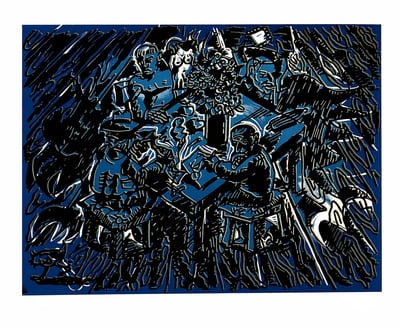
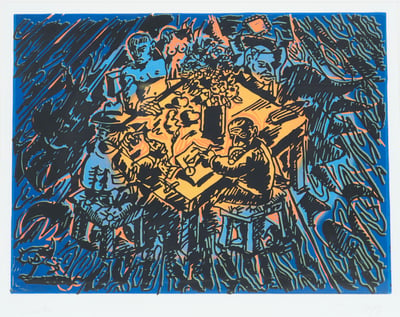
Jorg Immendorf
Söhne der Sonne I, 1997/2003
Limited Edition Print
Linocut
EUR 2,100
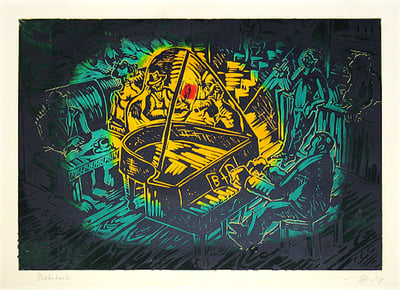
Jorg Immendorf
Söhne der Sonne II, 1997/2003
Limited Edition Print
Linocut
EUR 2,100
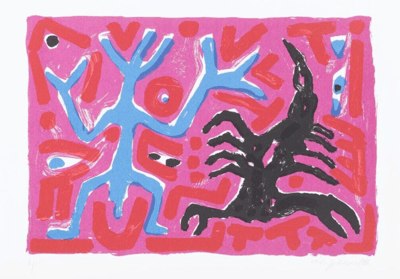
Jorg Immendorf
Ständchen für B und D, 1991/2003
Limited Edition Print
Linocut
Currently Not Available
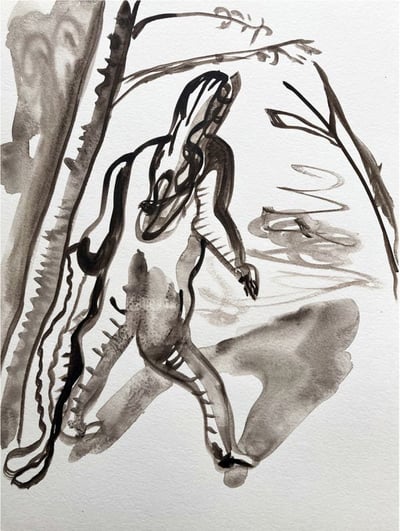
A.R. Penck
Skorpion - Scorpio, 1995
Limited Edition Print
Silkscreen
GBP 6,300
Albert Oehlen
Cezanne, 2021
Limited Edition Print
Pigment print
EUR 1,000

Georg Baselitz
Hirsche (set of 4), 2022
Limited Edition Print
Etching and Aquatint
Make Your Offer

Markus Lupertz
Eagle o.T, 1999-2000
Drawing / Watercolor
Mixed Media
USD 15,450
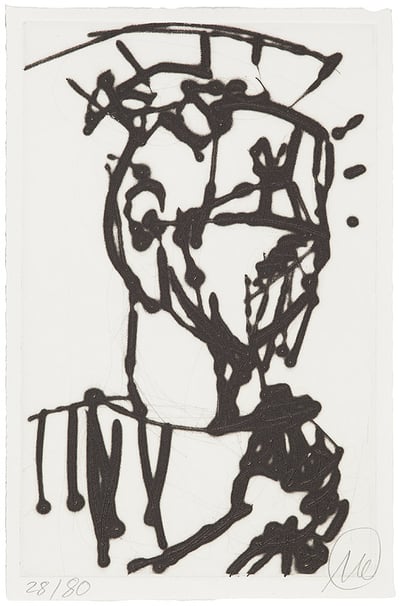
Markus Lupertz
Ohne Titel (portrait), 2008
Limited Edition Print
Drypoint
EUR 890
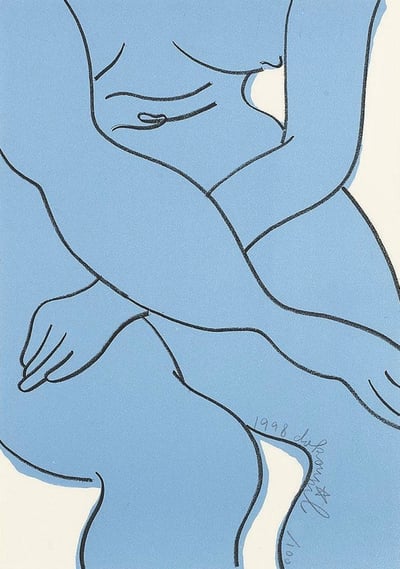
Georg Jiri Dokoupil
Blue Nude, 1998
Limited Edition Print
Lithograph
Currently Not Available

Albert Oehlen
Meditation on bureaucratic tendencies at TZK, 2020
Limited Edition Print
Lithograph
Currently Not Available

Georg Jiri Dokoupil
Untitled, 1989
Painting
Acrylic on canvas
EUR 17,500 - 20,000

Markus Lupertz
Mit Musse gegangen, 1990
Drawing / Watercolor
Mixed Media
Inquire For Price

Jorg Immendorf
Surrealistisches Tribunal, 1998
Limited Edition Print
Linocut
EUR 2,300
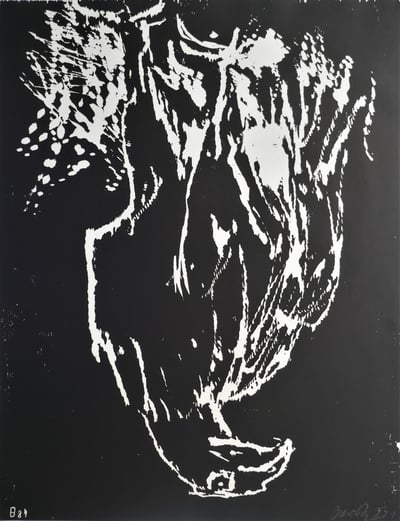
Georg Baselitz
Adler (Eagle) 2, 1981
Limited Edition Print
Woodcut
Currently Not Available
Related Articles

Queer Aesthetics refers to an art movement that emerged in the 1980s, focusing on themes of homosexuality, lesbianism, and broader issues of identity and gender. This movement gained momentum in the context of the AIDS crisis and the feminist movement, challenging traditional representations of sexuality and gender. Queer Aesthetics often explores the fluidity of gender and identity, as seen in the works of artists like Nan Goldin, who is known for her photography of individuals with ambiguous or non-conforming gender presentations.

EAT (Experiments in Art and Technology) was a movement formed to foster collaborations between engineers and artists. It facilitated direct, person-to-person connections between these two groups. The movement was originally launched in 1967 by artists Robert Whitman and Robert Rauschenberg, along with engineers Fred Waldhauer and Billy Klüver. EAT carried out various projects and activities that expanded the role of artists in contemporary society, encouraging the integration of art and technology.

Graphite is a form of carbon commonly used as the core material in pencils. It can be compressed to various levels of hardness, allowing for different shading effects in drawing. In powdered form, graphite can be applied with a brush for broader, softer applications. Graphite erases easily and was first discovered in the 1500s in England's Lake District.
Can't find your Answer?
Thank you! Your question has been sent — we'll get back to you shortly.
