

certificate by the artist
Artwork Copyright © Paul Van HoeydonckPaul Van Hoeydonck (Belgium, 1925–2025) was a multidisciplinary artist best known for his sculpture Fallen Astronaut, which was placed on the Moon during the Apollo 15 mission. His diverse body of work spanned painting, drawing, and sculpture, often exploring themes of space, technology, and human ambition in the cosmos.
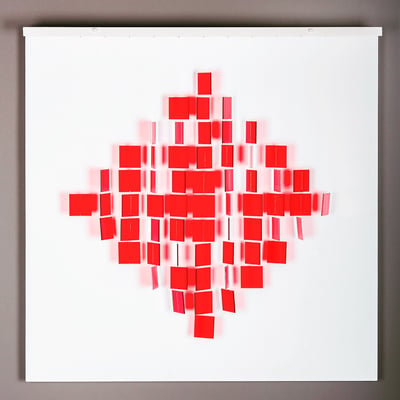
Artwork Copyright © Paul Van HoeydonckWit Juweel, 1960
Form
Medium
Size
- Inches
- Centimeters
Price
Available works →
- Authenticity Guaranteed
- Insured Shipping
- Online Since 2005
●
●Inventory 1258
●Signed
●Comes with gallery invoice and certificate
●Sell Us a Similar Artwork. Learn more.
certificate by the artist
Artwork Copyright © Paul Van HoeydonckPaul Van Hoeydonck (Belgium, 1925–2025) was a multidisciplinary artist best known for his sculpture Fallen Astronaut, which was placed on the Moon during the Apollo 15 mission. His diverse body of work spanned painting, drawing, and sculpture, often exploring themes of space, technology, and human ambition in the cosmos.
Artwork Copyright © Paul Van Hoeydonck- Recently Added
- Price (Low-High)
- Price (High-Low)
- Year (Low-High)
- Year (High-Low)

Paul Van Hoeydonck
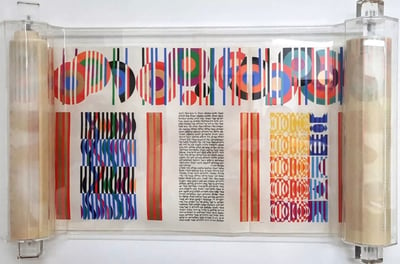
Suite Olympic Centennial, 1991
Limited Edition Print
Serigraph
Currently Not Available
Related Artists



Artwork by Andy Warhol
What is pop-art?
Pop Art is an art movement that began in Britain in 1955 and in the late 1950s in the U.S. It challenged traditional fine arts by incorporating imagery from popular culture, such as news, advertising, and comic books. Pop Art often isolates and recontextualizes materials, combining them with unrelated elements. The movement is more about the attitudes and ideas that inspired it than the specific art itself. Pop Art is seen as a reaction against the dominant ideas of Abstract Expressionism, bringing everyday consumer culture into the realm of fine art.


