

signed, titled an numbered 7/15
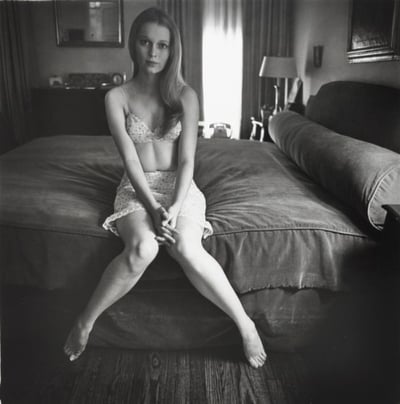
Carrot Cake #1 by Peter Witkin is a provocative black-and-white photograph that embodies his signature exploration of the macabre and surreal. The image depicts a nude figure reclining with a mask covering part of their face, presenting an unsettling contrast between vulnerability and concealment. Witkin’s use of distressed textures and stark contrasts lends the photograph an eerie, almost otherworldly quality, challenging conventional aesthetics and societal norms regarding the body. Signed and numbered as part of a limited edition (7/15), this piece invites contemplation on themes of identity, mortality, and the boundaries of human form.
Artwork Copyright © Peter WitkinPeter Witkin (USA, 1939) is a photographer renowned for his provocative and haunting imagery that explores themes of mortality, beauty, and the grotesque. His meticulously staged compositions often feature unconventional subjects and reference art history, challenging societal norms around taboo topics. Witkin’s work has made a profound impact on contemporary art photography with its unique, darkly poetic style.
Artwork Copyright © Peter WitkinCarrot Cake #1, 1980
Form
Medium
Size
- Inches
- Centimeters
Edition
Price
- USD
- EUR
- GBP
- CHF
- Authenticity Guaranteed
- Insured Shipping
- Online Since 2005
●Inventory 5262
●Signed
●Comes with gallery invoice and certificate
●Sell Us a Similar Artwork. Learn more.
signed, titled an numbered 7/15
Carrot Cake #1 by Peter Witkin is a provocative black-and-white photograph that embodies his signature exploration of the macabre and surreal. The image depicts a nude figure reclining with a mask covering part of their face, presenting an unsettling contrast between vulnerability and concealment. Witkin’s use of distressed textures and stark contrasts lends the photograph an eerie, almost otherworldly quality, challenging conventional aesthetics and societal norms regarding the body. Signed and numbered as part of a limited edition (7/15), this piece invites contemplation on themes of identity, mortality, and the boundaries of human form.
Artwork Copyright © Peter WitkinPeter Witkin (USA, 1939) is a photographer renowned for his provocative and haunting imagery that explores themes of mortality, beauty, and the grotesque. His meticulously staged compositions often feature unconventional subjects and reference art history, challenging societal norms around taboo topics. Witkin’s work has made a profound impact on contemporary art photography with its unique, darkly poetic style.
Artwork Copyright © Peter Witkin- Recently Added
- Price (Low-High)
- Price (High-Low)
- Year (Low-High)
- Year (High-Low)

Peter Witkin
Carrot Cake #1, 1980
Photography
Photograph
EUR 4,850
Related Artists


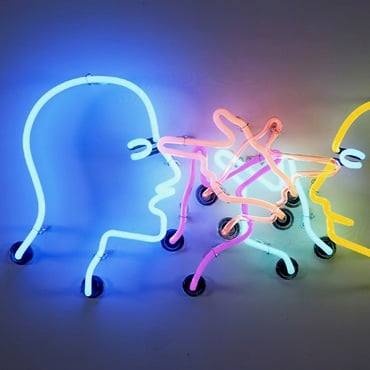
Artwork by Bruce Nauman
What is Process Art?
Process Art is an artistic movement and creative approach where the focus is on the act of creation rather than the final product. The term process in this context refers to the various stages of art-making, including gathering, sorting, associating, and organizing materials and actions. This movement emphasizes the artistic journey and the human expression involved in creating art, rather than the finished piece itself. Process Art is driven by inherent motivation, intentionality, and the rationale behind the actions, viewing the creative process as the true artwork.


Peter Witkin
Carrot Cake #1, 1980
38 x 38 cm


