

Hippie Drawing, 2007
Form
Medium
Size
- Inches
- Centimeters
Edition
Price
- Authenticity Guaranteed
- Insured Shipping
- Online Since 2005

Richard Prince
Protest porfolio, 2014
Photography
Inkjet print
EUR 12,000

Richard Prince
18 & Stormy, 2018
Limited Edition Print
Offset Print
Inquire For Price
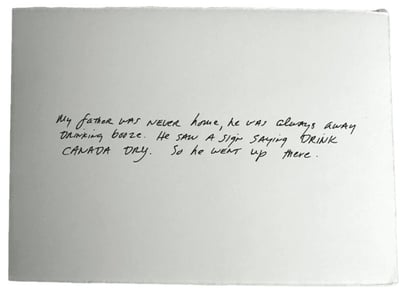
Richard Prince
The Greeting Card Jokes #3: Canada Dry, 2011
Limited Edition Print
Mixed Media
GBP 5,400

Richard Prince
The Greeting Card Jokes #2: The Best Friend, 2011
Limited Edition Print
Mixed Media
GBP 5,400

Richard Prince
Pure Thoughts - Live Free or Die, 2007
Sculpture / Object
Object
GBP 7,750

Richard Prince
The Greeting Card Jokes (complete set of 3), 2011
Limited Edition Print
Mixed Media
GBP 14,950

Richard Prince
The Greeting Card Jokes: #1 The Fireman, 2011
Limited Edition Print
Mixed Media
GBP 5,400

Richard Prince
Fulton Ryder After Dark, 2012
Limited Edition Print
Offset Print
GBP 5,950

Richard Prince
Untitled (from Upstate - garage), 1998
Photography
Photograph
USD 6,000

Richard Prince
Untitled (from Upstate - nudes), 1998
Photography
Photograph
USD 9,500
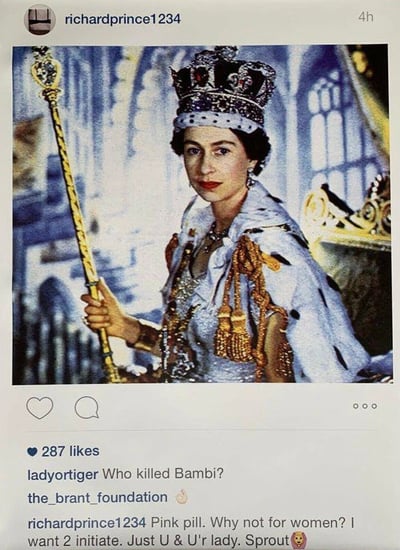
Richard Prince
Instagram New Portraits - Queen Elizabeth II , 2015
Limited Edition Print
Offset Print
GBP 4,790

Richard Prince
Dude Ranch Nurse, 2008
Limited Edition Print
Mixed Media
GBP 7,500 - 10,000

Richard Prince
Together, 2011
Limited Edition Print
Collage
Currently Not Available
Available works by Richard Prince
See all →Richard Prince
Protest porfolio, 2014
Photography
Inkjet print
EUR 12,000
Richard Prince
18 & Stormy, 2018
Limited Edition Print
Offset Print
Inquire For Price
Richard Prince
The Greeting Card Jokes #3: Canada Dry, 2011
Limited Edition Print
Mixed Media
GBP 5,400
Richard Prince
The Greeting Card Jokes #2: The Best Friend, 2011
Limited Edition Print
Mixed Media
GBP 5,400
Richard Prince
Pure Thoughts - Live Free or Die, 2007
Sculpture / Object
Object
GBP 7,750
Richard Prince
The Greeting Card Jokes (complete set of 3), 2011
Limited Edition Print
Mixed Media
GBP 14,950
Related Artists
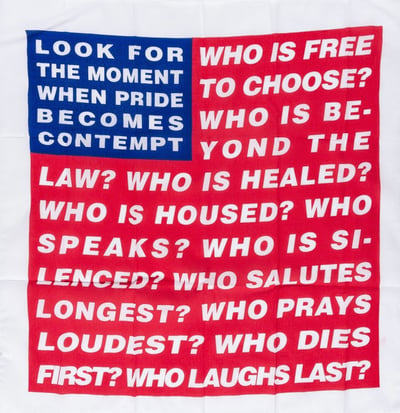


What is Lettrism?
Lettrism is an art form that uses letters, words, and symbols to create artwork. The movement was established in Paris in the 1940s and later gained popularity in the 1950s in America. Lettrisme is the French spelling of the movement's name, derived from the French word for letter.


