

// Rogelio Polesello’s Ágata, a 1975 serigraph, is a striking example of his mastery in optical and geometric abstraction. The composition consists of intricate overlapping shapes, including circles, squares, and triangles, rendered in a rhythmic arrangement of vibrant colors such as orange, red, and purple. The meticulous layering and alignment of lines create a pulsating, three-dimensional effect that seems to shift and vibrate, inviting the viewer’s eyes to follow the intricate pathways within the shapes. Polesello, known for his work in Op Art, uses color and form to produce an illusion of movement and depth, challenging perceptions and engaging the viewer in an active visual experience. This piece, part of a limited edition of 200, showcases Polesello’s ability to blend mathematical precision with vibrant artistry, resulting in a mesmerizing optical work.
Artwork Copyright © Rogelio PoleselloRogelio Polesello (Argentina, 1939–2014) was a painter, muralist, and sculptor renowned for his contributions to Op Art in Latin America. His works, characterized by geometric abstraction and optical effects, explore perception and visual experience. Polesello's innovative use of acrylics and his large-scale murals have left a lasting impact on contemporary art.
Artwork Copyright © Rogelio PoleselloÁgata, 1975
Form
Medium
Size
- Inches
- Centimeters
Edition
Price
Available works →
- Authenticity Guaranteed
- Insured Shipping
- Online Since 2005
●
●Inventory 8052
●Hand Signed
●Comes with gallery invoice and certificate
●Sell Us a Similar Artwork. Learn more.
// Rogelio Polesello’s Ágata, a 1975 serigraph, is a striking example of his mastery in optical and geometric abstraction. The composition consists of intricate overlapping shapes, including circles, squares, and triangles, rendered in a rhythmic arrangement of vibrant colors such as orange, red, and purple. The meticulous layering and alignment of lines create a pulsating, three-dimensional effect that seems to shift and vibrate, inviting the viewer’s eyes to follow the intricate pathways within the shapes. Polesello, known for his work in Op Art, uses color and form to produce an illusion of movement and depth, challenging perceptions and engaging the viewer in an active visual experience. This piece, part of a limited edition of 200, showcases Polesello’s ability to blend mathematical precision with vibrant artistry, resulting in a mesmerizing optical work.
Artwork Copyright © Rogelio PoleselloRogelio Polesello (Argentina, 1939–2014) was a painter, muralist, and sculptor renowned for his contributions to Op Art in Latin America. His works, characterized by geometric abstraction and optical effects, explore perception and visual experience. Polesello's innovative use of acrylics and his large-scale murals have left a lasting impact on contemporary art.
Artwork Copyright © Rogelio Polesello- Recently Added
- Price (Low-High)
- Price (High-Low)
- Year (Low-High)
- Year (High-Low)
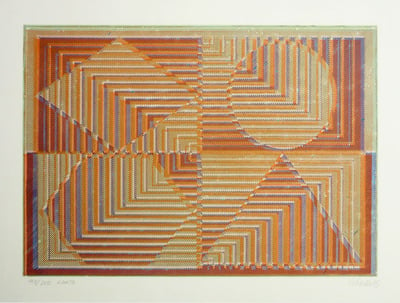
Rogelio Polesello
Ágata, 1975
Limited Edition Print
Serigraph
Currently Not Available
Related Artists


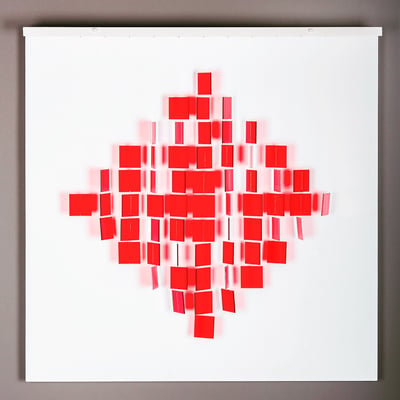


Artwork by Carlos Cruz-Diez
What is Latin American art?
Latin American Art is a style which takes inspiration from its culture, society, politics, native traditions, religions and landscape. Op-Art and Kinetic Art figure prominently in Latin artworks. Colors in Latin American compositions are often bold. Latin American artists work in all media and movements.


Rogelio Polesello
Ágata, 1975
57 x 75 cm


