

Argentina
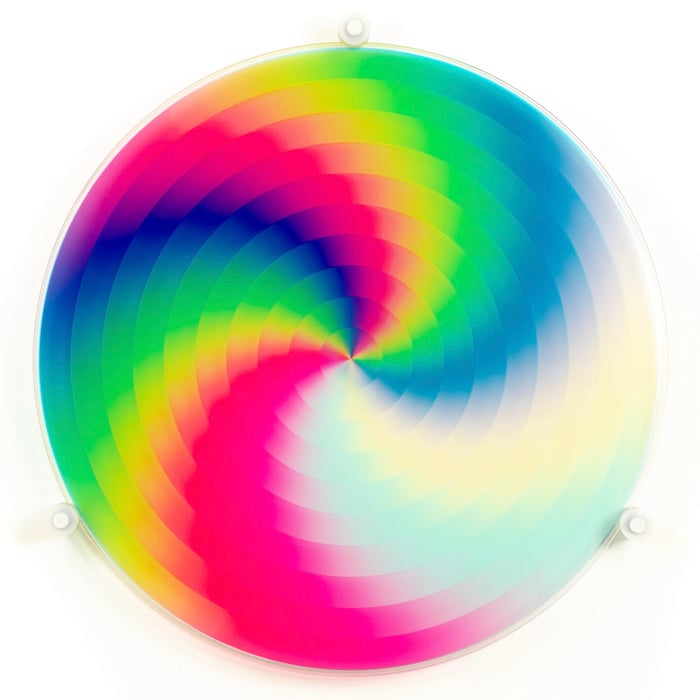
Contemporary Art in Argentina is a vibrant fusion of traditional and modern influences, reflecting the country's rich cultural heritage and dynamic spirit. From Buenos Aires, the heart of Argentina's art scene, to the innovative galleries scattered across the country, Argentine contemporary art is a testament to the nation's creative prowess. Artists such as Julio Le Parc and Felipe Pantone have gained international acclaim, showcasing the unique Argentine perspective to the world. The annual arteBA fair further highlights Argentina's commitment to contemporary art, attracting collectors and enthusiasts from around the globe.
- Show All
- Established
- Discoveries
- Show All
Artworks Related to Argentina
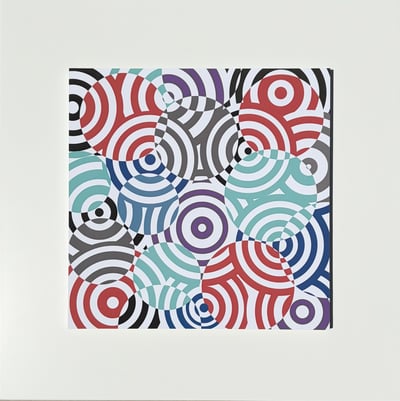
Antonio Asis
Interferences cercles de couleurs Gris Rouge, 2010
Limited Edition Print
Mixed Media
EUR 1,500
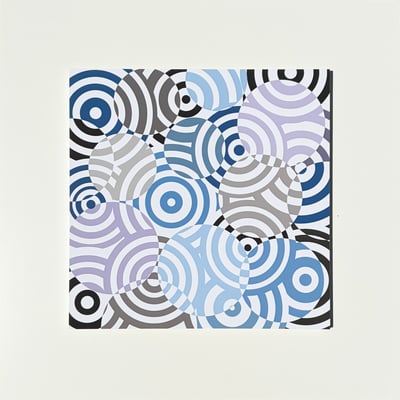
Antonio Asis
Interferences cercles de couleurs Gris Bleu, 2010
Limited Edition Print
Mixed Media
EUR 1,500
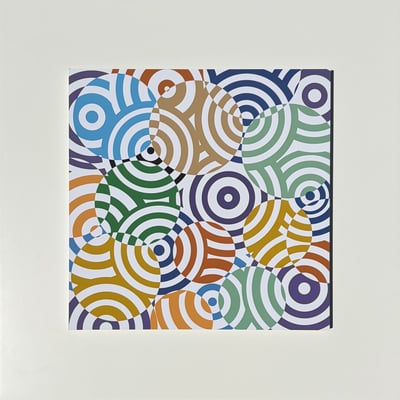
Antonio Asis
Interferences cercles de couleurs Gris Rouge Arc en Ciel, 2010
Limited Edition Print
Mixed Media
EUR 1,500
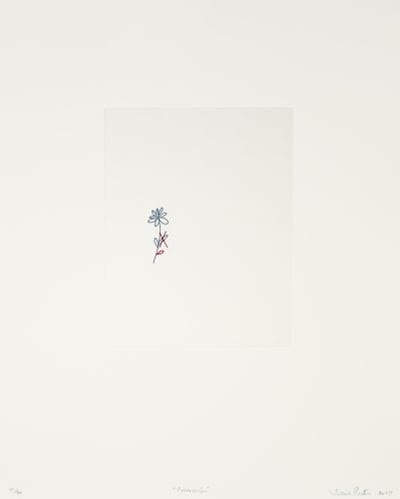
Liliana Porter
Corrección, 2018
Limited Edition Print
Etching
EUR 1,500
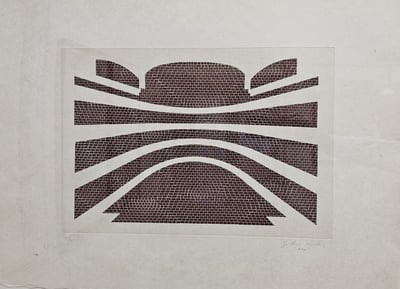
Guillermo Kuitca
Cuarta pared, 1997
Limited Edition Print
Mixed Media
EUR 2,000
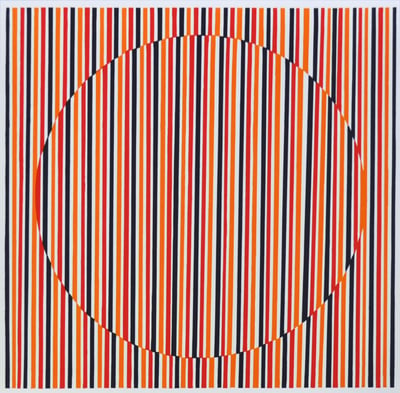
Antonio Asis
ST3, 2013
Limited Edition Print
Lithograph
EUR 1,800
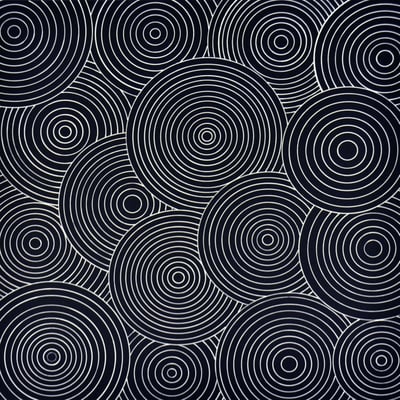
Antonio Asis
ST5, 2013
Limited Edition Print
Lithograph
EUR 1,800
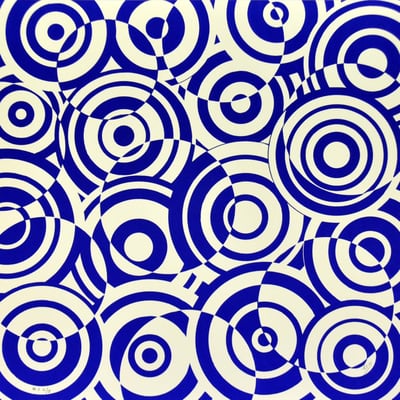
Antonio Asis
ST2, 2013
Limited Edition Print
Lithograph
EUR 1,800
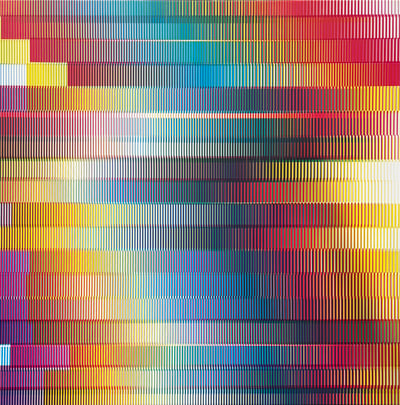
Felipe Pantone
Subtractive Variability #4, 2018
Painting
Mixed Media
EUR 15,000
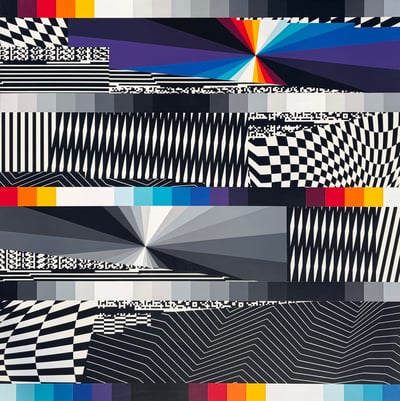
Felipe Pantone
Chromadynamica 33, 2017
Painting
Acrylic paint
Inquire For Price
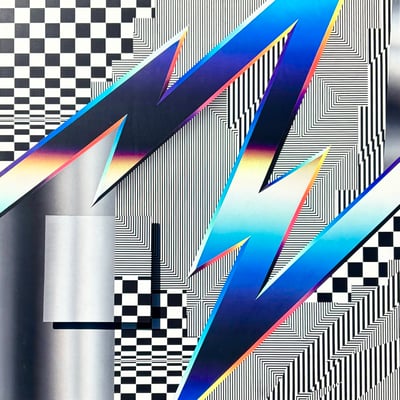
Felipe Pantone
Responsive Iframe, 2016
Painting
Acrylic paint
EUR 13,000

Felipe Pantone
Subtractive Variability Vitreum 3, 2025
Sculpture / Object
Acrylic sculpture
EUR 3,200

Felipe Pantone
Subtractive Variability Vitreum 2, 2025
Sculpture / Object
Acrylic sculpture
EUR 2,800
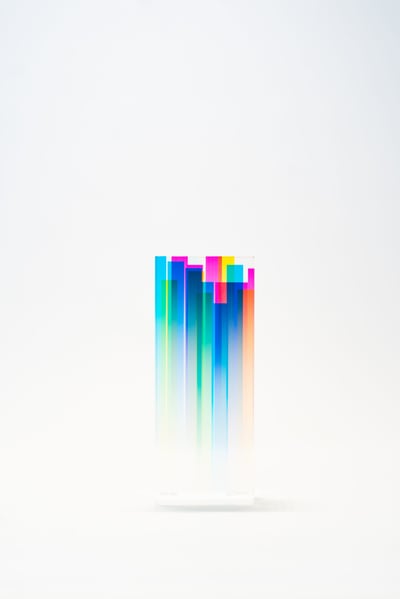
Felipe Pantone
Subtractive Variability Vitreum 1, 2025
Sculpture / Object
Acrylic sculpture
EUR 2,300
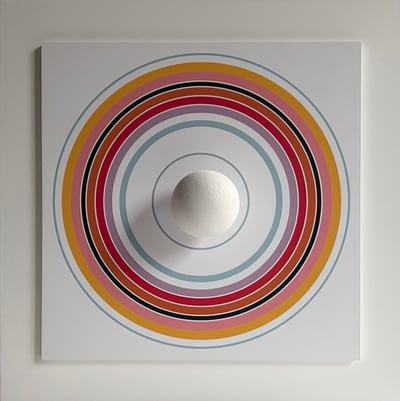
Antonio Asis
Asistype 20 – boule sur cercle, 2016
Sculpture / Object
Monotype
EUR 3,000

Antonio Asis
Asistype 19 – boule sur cercle, 2016
Sculpture / Object
Monotype
EUR 3,000
Related Articles

Sand consists of loose grains of material primarily made up of minerals like quartz, mica, and feldspar, as well as small fragments of rocks. Sand paintings are created by pouring colored sand into intricate designs, often for cultural rituals or special celebrations. These designs can take many days to complete and are traditionally brushed away after the ceremony, emphasizing the impermanence of the artwork.
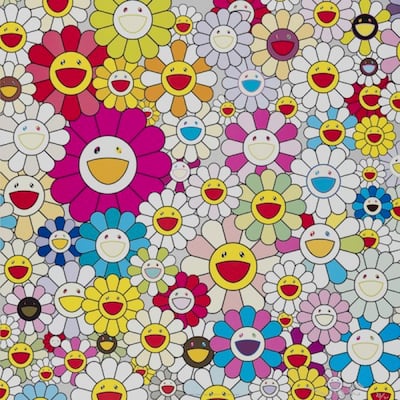
Superflat is an art movement founded by Takashi Murakami, heavily influenced by anime and manga. The term Superflat refers to the flattened forms found in Japanese animation, graphic art, fine arts, and pop culture, as well as the perceived superficiality of Japanese culture. Murakami's movement, which he self-proclaimed, is considered postmodern and critiques both the depth and shallowness of contemporary Japanese society. Superflat has been highly influential in bridging the gap between high art and popular culture.
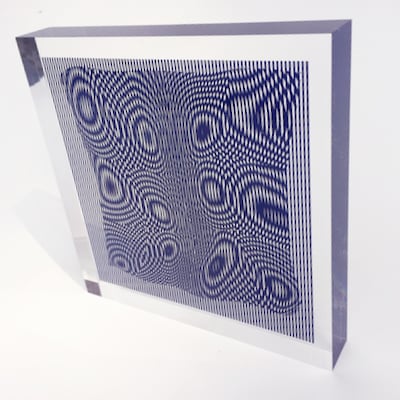
Acrylic sculpture refers to both a process and the resulting object. The artist begins by creating a sculpture from clay, plaster, or epoxy, which is then used to make a flexible mold. Melted acrylic is poured into the mold, and once it cures, the acrylic piece is hand-finished through sanding and polishing. Acrylic sculptures are valued for their clarity, durability, and ability to achieve intricate details.
Can't find your Answer?
Thank you! Your question has been sent — we'll get back to you shortly.
