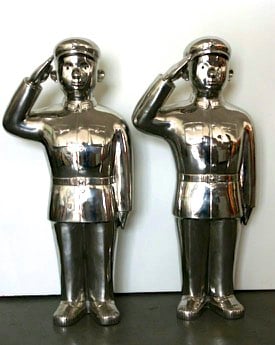
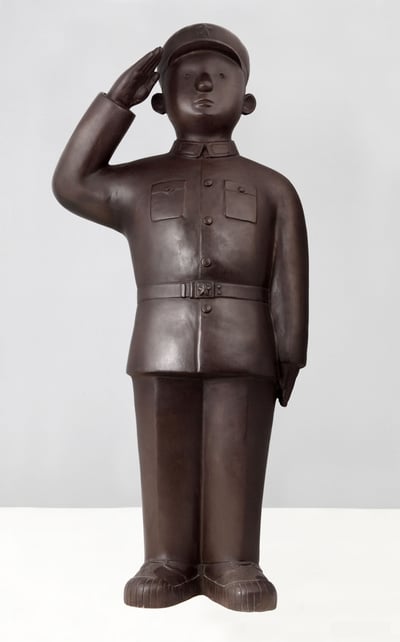
// Little Prince by Shen Jingdong is a bronze sculpture created in 2015, embodying a serene and contemplative charm. The figure, inspired by the iconic character from Antoine de Saint-Exupéry’s The Little Prince, features a childlike face with simple, minimal details, giving it a timeless and universal appeal. The figure’s gentle smile and relaxed posture, with one hand thoughtfully supporting the face, convey a sense of quiet introspection. Shen Jingdong is known for his playful yet profound representations, often capturing innocence with a hint of wisdom. This sculpture, standing 40 cm high, combines whimsy with elegance, making it an endearing tribute to youthful wonder and reflection.
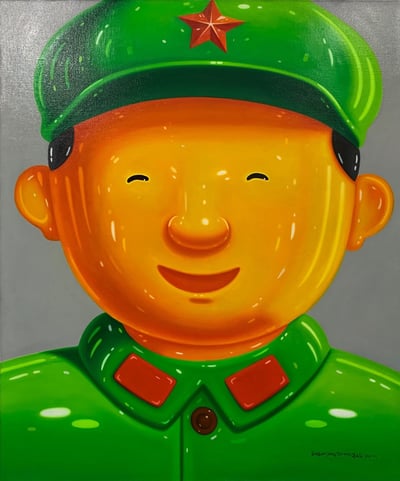
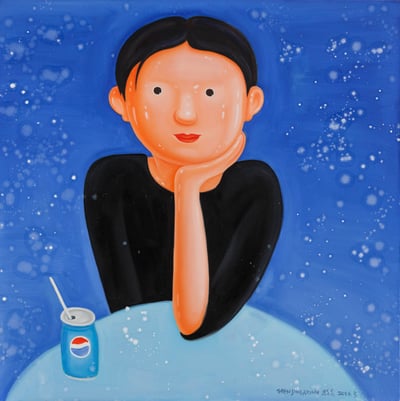
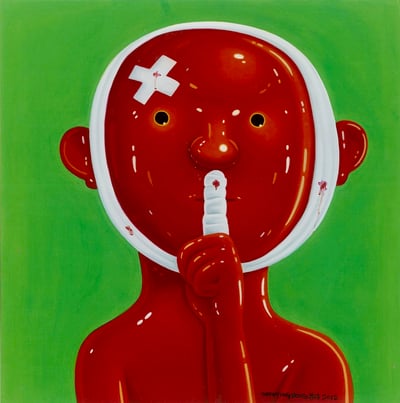
Shen Jingdong (China, 1965) is a contemporary Chinese artist renowned for his vibrant paintings and sculptures that reinterpret traditional Chinese iconography. Drawing from his 16-year experience in the military, Shen's work often features stylized depictions of soldiers and cultural symbols, blending pop art aesthetics with social commentary. His art challenges conventional narratives, offering a playful yet critical perspective on modern Chinese society.
BronzeBronze is a metal alloy made primarily of copper and tin, with a typical modern composition of 88% copper and 12% tin. Over time, bronze develops a patina, a surface color that often turns deep green due to oxidation. Large bronze objects, such as sculptures, are typically made in foundries. Bronze is valued for its durability and has been widely used throughout history for art, tools, and weapons.
Size
Inches
Centimeters
40 X 22 X 25 cm
Edition
Edition of 8
Price
USD
EUR
GBP
CHF
14,250USD
?
+ VAT/import Duties (if applicable)
Authenticity Guaranteed
Insured Shipping
Online Since 2005
Share
●Inventory 6674
●Signed
●Comes with gallery invoice and certificate
●Any questions?
// Little Prince by Shen Jingdong is a bronze sculpture created in 2015, embodying a serene and contemplative charm. The figure, inspired by the iconic character from Antoine de Saint-Exupéry’s The Little Prince, features a childlike face with simple, minimal details, giving it a timeless and universal appeal. The figure’s gentle smile and relaxed posture, with one hand thoughtfully supporting the face, convey a sense of quiet introspection. Shen Jingdong is known for his playful yet profound representations, often capturing innocence with a hint of wisdom. This sculpture, standing 40 cm high, combines whimsy with elegance, making it an endearing tribute to youthful wonder and reflection.
Shen Jingdong (China, 1965) is a contemporary Chinese artist renowned for his vibrant paintings and sculptures that reinterpret traditional Chinese iconography. Drawing from his 16-year experience in the military, Shen's work often features stylized depictions of soldiers and cultural symbols, blending pop art aesthetics with social commentary. His art challenges conventional narratives, offering a playful yet critical perspective on modern Chinese society.
Shen Jingdong is a contemporary artist, renowned for drawing inspiration from his home nation, China, with paintings and sculptures denoting traditional iconography. Jingdong’s recognition was quickly accelerated in 2008 with the unveiling of his Hero series, in which he subverted the traditional image of the soldier and various other icons of Chinese tradition - sometimes depicted in a range of expressive colours such as blue, red and green. Jingdong served in the Chinese army for 16 years and has frequently drawn on this experience as a means of expression – his Eight Route Army piece displays soldiers in an unorthodox light; he moves away from the typical notion of soldiers (violent, unfeeling, almost mechanical) and instead paints them with iconic images in mind such as children’s toy soldiers and the Japanese comic interpretation of them. (Artist website)
Chinese Contemporary Art is marked by a wide range of styles and experimental approaches. In the 1980s, avant-garde exhibitions were often shut down by government officials. The 1990s saw the rise of political pop and cynical realism, while China's One-Child Policy influenced artists to explore the individual as a subject matter.