
We The People
Form
Medium
Size
- Inches
- Centimeters
Edition
Price
- Authenticity Guaranteed
- Insured Shipping
- Online Since 2005
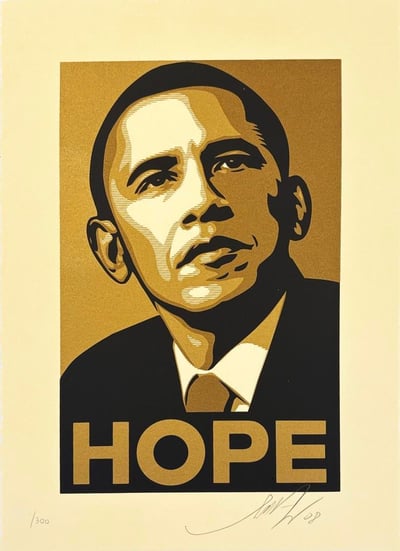
Shepard Fairey
Obama Hope Gold, 2008
Limited Edition Print
Screen-print
Inquire For Price

Shepard Fairey
Third Eye Butterfly Mandala (Cream) (Small), 2026
Limited Edition Print
Giclée printing
EUR 5,500 - 7,000
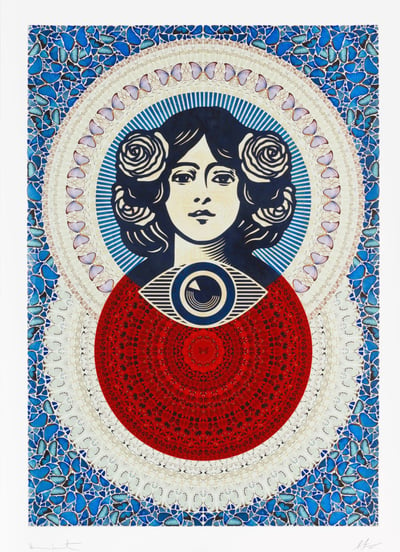
Shepard Fairey
Third Eye Butterfly Mandala (Blue) Small, 2026
Limited Edition Print
Giclée printing
EUR 5,500 - 7,000

Shepard Fairey
Andy Warhol, 2024
Painting
Mixed Media
EUR 7,450

Shepard Fairey
Peace Fingers, 2023
Sculpture / Object
Resin
GBP 2,400

Shepard Fairey
Wake Up Earth, 2020
Limited Edition Print
Mixed Media
GBP 3,200
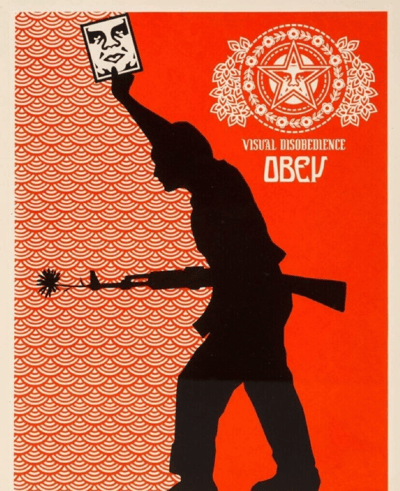
Shepard Fairey
Visual Disobedience, 2004
Limited Edition Print
Screen-print
GBP 3,500

Shepard Fairey
Covert to Overt (gold), 2016
Limited Edition Print
Screen-print
GBP 4,700
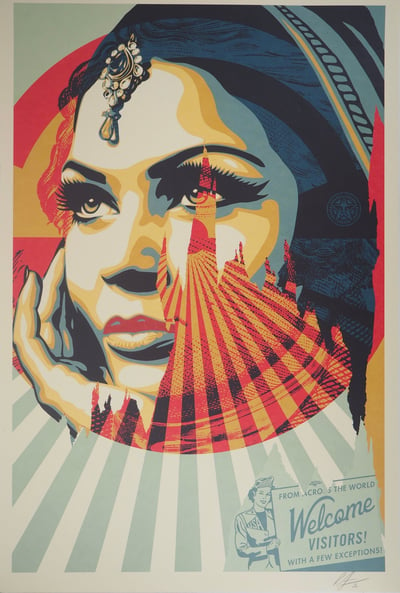
Shepard Fairey
Obey, 1970
Limited Edition Print
Offset Print
EUR 1,000

Shepard Fairey
Enhanced Disintegration (Pink), 2019
Limited Edition Print
Screen-print
GBP 1,000

Shepard Fairey
Obey (Ripped), 2001
Limited Edition Print
Lithograph
GBP 1,200

Shepard Fairey
Tribute to Ai Weiwei, 2014
Limited Edition Print
Screen-print
EUR 1,875
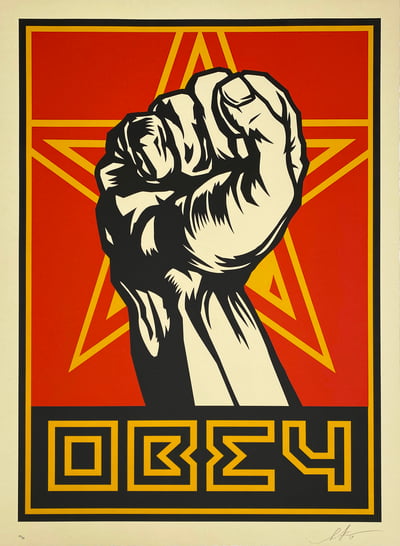
Shepard Fairey
Obey, 2019
Limited Edition Print
Mixed Media
Currently Not Available

Shepard Fairey
Demagogue, 2016
Limited Edition Print
Offset Print
Currently Not Available
Available works by Shepard Fairey
See all →Shepard Fairey
Obama Hope Gold, 2008
Limited Edition Print
Screen-print
Inquire For Price
Shepard Fairey
Third Eye Butterfly Mandala (Cream) (Small), 2026
Limited Edition Print
Giclée printing
EUR 5,500 - 7,000
Shepard Fairey
Third Eye Butterfly Mandala (Blue) Small, 2026
Limited Edition Print
Giclée printing
EUR 5,500 - 7,000
Shepard Fairey
Andy Warhol, 2024
Painting
Mixed Media
EUR 7,450
Shepard Fairey
Peace Fingers, 2023
Sculpture / Object
Resin
GBP 2,400
Shepard Fairey
Wake Up Earth, 2020
Limited Edition Print
Mixed Media
GBP 3,200
Related Artists
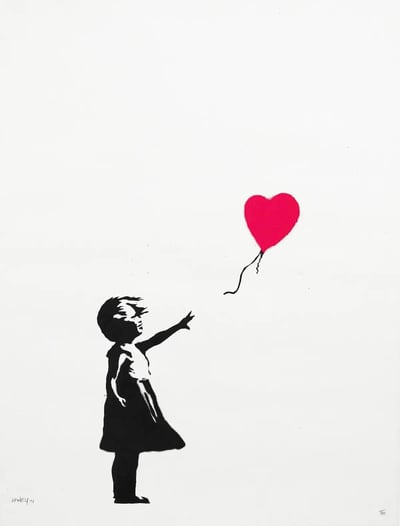

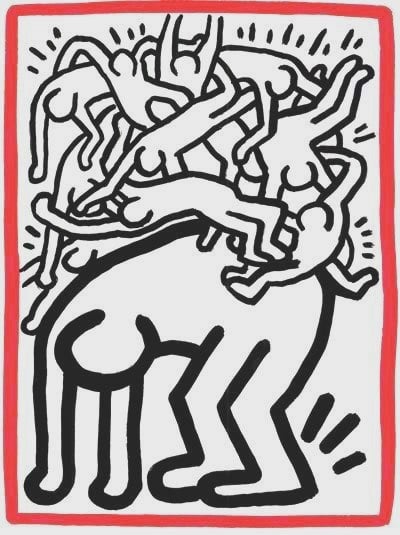
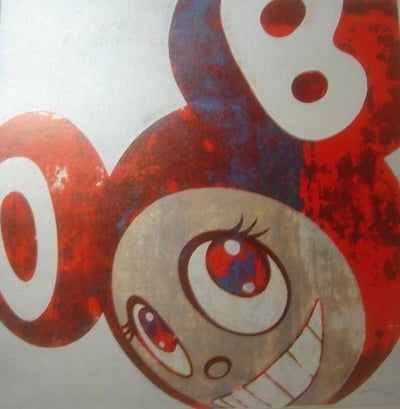

What is Street art?
Street Art is artwork created and executed in public spaces, outside of traditional art venues. It gained popularity during the 1980s graffiti art boom and has since evolved into various forms and styles. Common forms of Street Art include pop-up art, sticker art, stencil graffiti, and street installations or sculptures. Terms like guerrilla art, neo-graffiti, post-graffiti, and urban art are often used interchangeably to describe this genre, which challenges conventional ideas about where and how art should be displayed.


