

Lithograph with collage
Yuko Murata’s Untitled (Winter Trees) (2012) is a mixed media lithograph that captures the quiet beauty of winter. The artwork features a series of bare tree branches stretching across a pale pink and beige background, evoking a soft, subdued winter landscape. The branches, rendered in muted brown tones, create an organic, rhythmic pattern, their starkness contrasting with the gentle pastel backdrop. A small, textured golden circle appears near the center, introducing a touch of warmth and mystery, reminiscent of a distant sun or a symbol of hope amidst the winter barrenness. Murata’s composition uses minimalism to convey serenity and contemplation, reflecting the tranquility of nature in winter.
Artwork Copyright © Yuko MurataYuko Murata (Japan, 1973) is a contemporary painter recognized for her minimalist depictions of animals and landscapes. Drawing inspiration from postcards and travel brochures, her serene compositions often feature simplified forms and muted colors, evoking a sense of tranquility. Murata's work has been exhibited internationally, reflecting her unique perspective on nature and its representation.
Artwork Copyright © Yuko MurataUntitled (Winter Trees), 2012
Form
Medium
Size
- Inches
- Centimeters
Edition
Price
- USD
- EUR
- GBP
- CHF
- Authenticity Guaranteed
- Insured Shipping
- Online Since 2005
●Inventory 7868
●Signed
●Comes with gallery invoice and certificate
●Any questions?
Lithograph with collage
Yuko Murata’s Untitled (Winter Trees) (2012) is a mixed media lithograph that captures the quiet beauty of winter. The artwork features a series of bare tree branches stretching across a pale pink and beige background, evoking a soft, subdued winter landscape. The branches, rendered in muted brown tones, create an organic, rhythmic pattern, their starkness contrasting with the gentle pastel backdrop. A small, textured golden circle appears near the center, introducing a touch of warmth and mystery, reminiscent of a distant sun or a symbol of hope amidst the winter barrenness. Murata’s composition uses minimalism to convey serenity and contemplation, reflecting the tranquility of nature in winter.
Artwork Copyright © Yuko MurataYuko Murata (Japan, 1973) is a contemporary painter recognized for her minimalist depictions of animals and landscapes. Drawing inspiration from postcards and travel brochures, her serene compositions often feature simplified forms and muted colors, evoking a sense of tranquility. Murata's work has been exhibited internationally, reflecting her unique perspective on nature and its representation.
Artwork Copyright © Yuko Murata- Recently Added
- Price (Low-High)
- Price (High-Low)
- Year (Low-High)
- Year (High-Low)

Yuko Murata
Untitled (Winter Trees), 2012
Limited Edition Print
Mixed Media
EUR 1,000
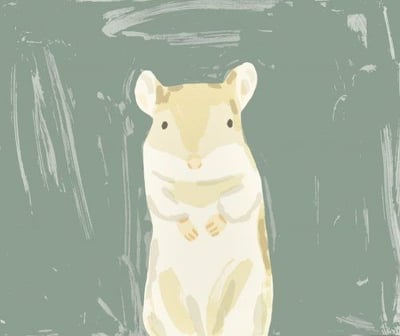
Yuko Murata
Long way , 2012
Limited Edition Print
Lithograph
EUR 1,200
Related Artists

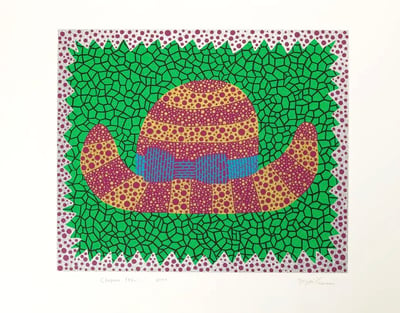
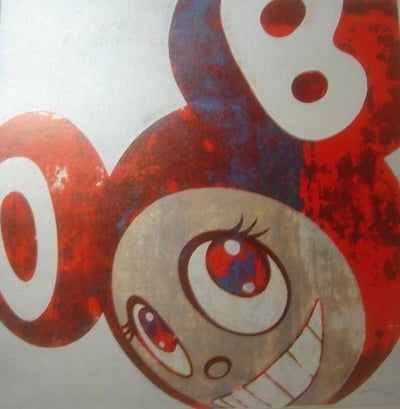


Artwork by Miles Aldridge
What is contemporary art?
Contemporary art refers to avant-garde or innovative art created in the recent past or present day. The exact starting point of contemporary art varies depending on the institution, often tied to the founding year of museums or galleries that showcase the style. Contemporary art is characterized by its focus on current ideas, diverse media, and the exploration of new concepts and techniques.

Yuko Murata
Untitled (Winter Trees), 2012
17 x 21 cm


