

Alison Wilding
© Alison Wilding. All rights reserved.

Alison Wilding
Rising, 2001
Sculpture / Object
Resin
GBP 4,800
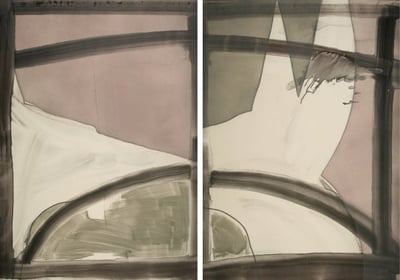
Alison Wilding
Dogs (diptych, pale tones), 2005
Limited Edition Print
Monotype
EUR 7,250

Alison Wilding
Dogs (diptych in Rust and Crimson), 2005
Limited Edition Print
Monotype
EUR 7,250

Alison Wilding
Dogs (Diptych, Earth Tones), 2005
Limited Edition Print
Monotype
EUR 7,250

Alison Wilding
Dogs (diptych), 2005
Limited Edition Print
Monotype
EUR 7,250

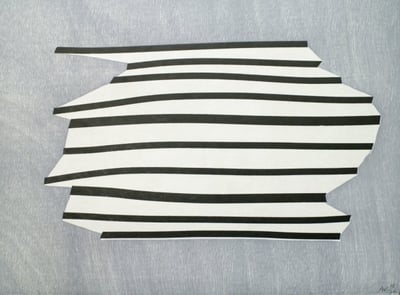
Alison Wilding
Chamber works, 2010
Limited Edition Print
Woodcut
EUR 6,750
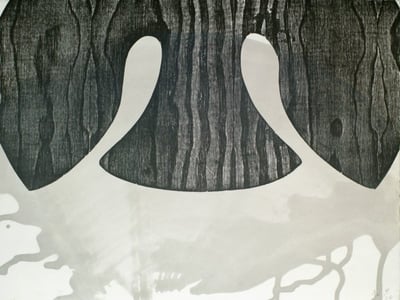
Alison Wilding
Hole, 2010
Limited Edition Print
Woodcut
EUR 1,300
Alison Wilding
Swallow, 2010
Limited Edition Print
Woodcut
EUR 1,300

Alison Wilding
Ziggurat, 2010
Limited Edition Print
Woodcut
EUR 1,300

Alison Wilding
Beach fork, 2010
Limited Edition Print
Mixed Media
EUR 1,300

Alison Wilding
Glider, 2010
Limited Edition Print
Woodcut
EUR 1,300

Alison Wilding
Skin, 2010
Limited Edition Print
Woodcut
EUR 1,300

Alison Wilding
Out there (Spin), 2010
Limited Edition Print
Aquatint
EUR 2,150
- Alison Wilding
Related Artists
Related Articles
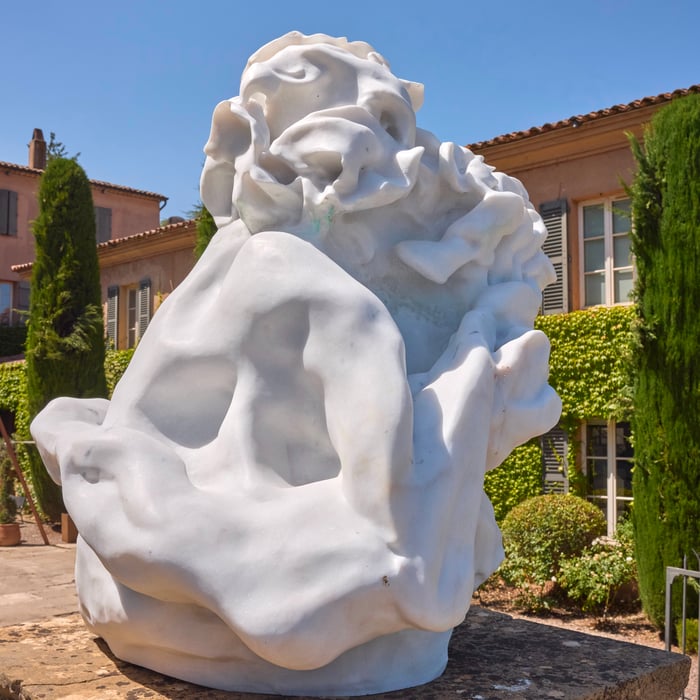
News, Popular, Collecting, Artists - August 12, 2026
In Minor Keys: Finding Intimacy and Identity at the 61st Venice Biennale — and in Your Collection
Explore how Koyo Kouoh’s 61st Venice Biennale vision, In Minor Keys, is shifting contemporary collecting toward quiet introspection, memory, and personal identi…Read More
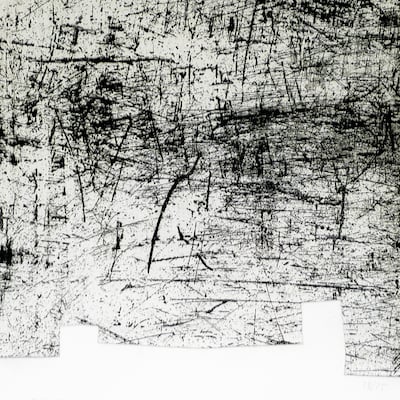 Artwork by Eduardo Chillida
What is abstract art?
Abstract art uses form, shape, line, and color to create a visual experience without attempting to represent external reality. The composition exists independently of the world's visual references, focusing on expressing ideas and emotions through non-representational means.
Explore »

