

Conrad Marca-Relli
© Conrad Marca-Relli. All rights reserved.
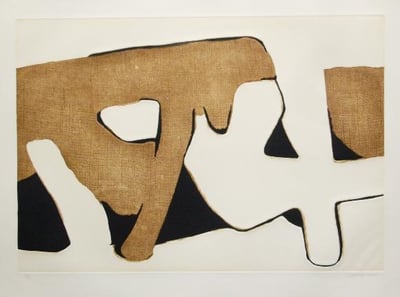
Conrad Marca-Relli
Composition XIV, 1977
Limited Edition Print
Etching and Aquatint
EUR 1,560
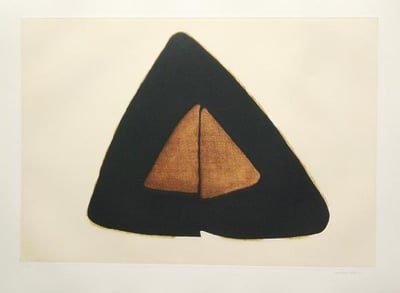
Conrad Marca-Relli
Composition VIII, 1977
Limited Edition Print
Etching and Aquatint
EUR 1,560
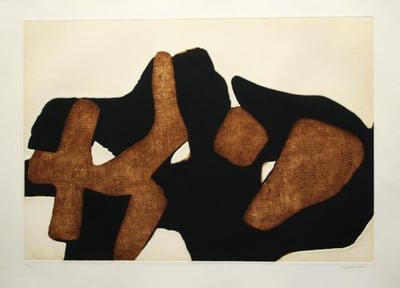
Conrad Marca-Relli
Composition IV, 1977
Limited Edition Print
Etching and Aquatint
EUR 1,560
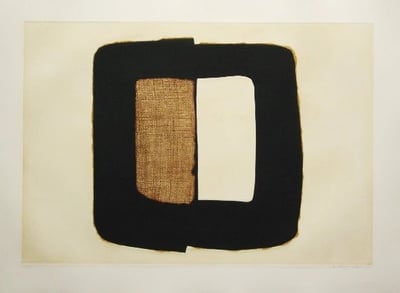
Conrad Marca-Relli
Composition III, 1977
Limited Edition Print
Etching and Aquatint
EUR 1,560
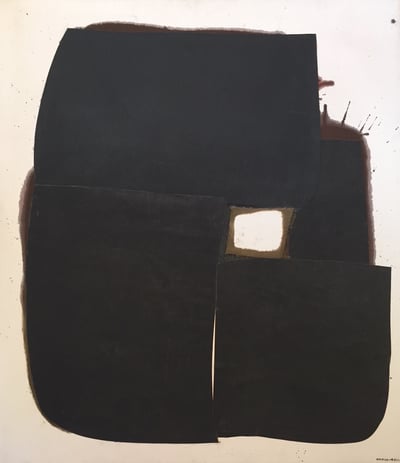
Conrad Marca-Relli
F-M-2-67, 1967
Painting
Mixed Media
USD 60,000
No sold works to show.
line.
- Conrad Marca-Relli
Related Artists



Related Articles
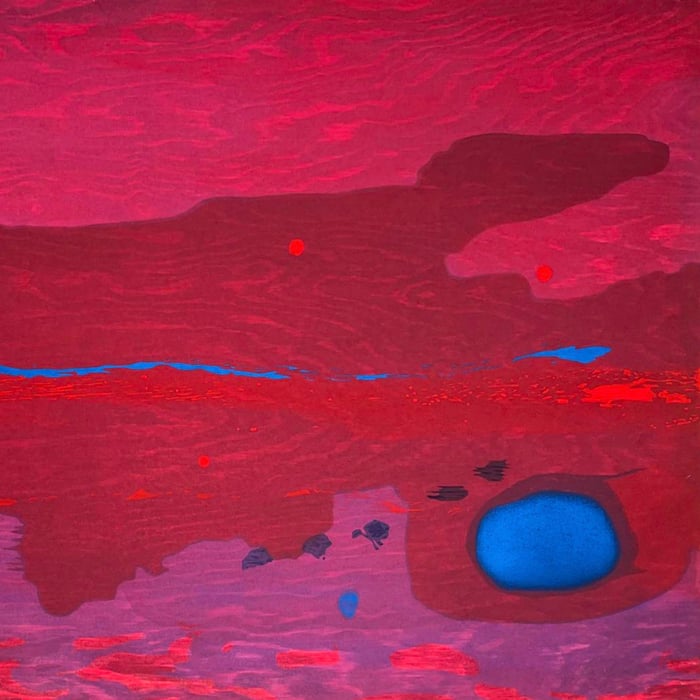
Popular, Art Movements - November 20, 2024
Understanding Abstract Expressionism: Emotion and Gesture
Explore the emotional depth of Abstract Expressionism! Discover how artists like Pollock and Rothko used gesture and color to convey human complexity.Read More
News, Popular, Collecting, Artists - August 12, 2026
In Minor Keys: Finding Intimacy and Identity at the 61st Venice Biennale — and in Your Collection
Explore how Koyo Kouoh’s 61st Venice Biennale vision, In Minor Keys, is shifting contemporary collecting toward quiet introspection, memory, and personal identi…Read More
 Artwork by Sam Francis
What is action painting?
Action Painting is a style of painting where the physical act of creating art—such as gestural brushstrokes, splashing or dripping paint, or moving and dancing while applying paint—is considered essential to the artwork itself. This approach emphasizes the artist's movement and spontaneity as integral to the creative process.
Explore »

