
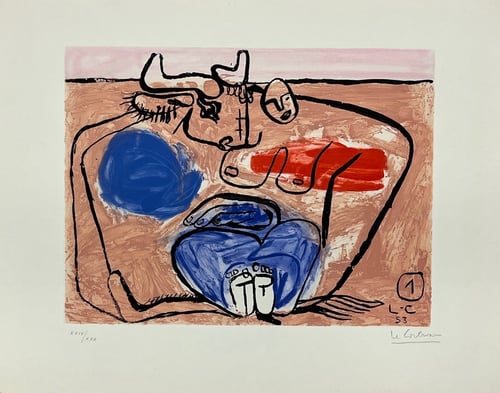
Le Corbusier
© Le Corbusier. All rights reserved.
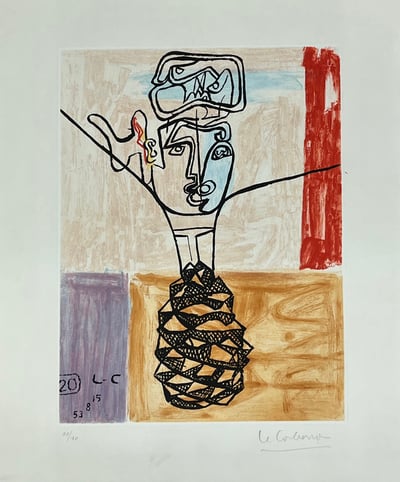
Le Corbusier
Unité 20, 1963-1965
Limited Edition Print
Etching and Aquatint
EUR 6,250
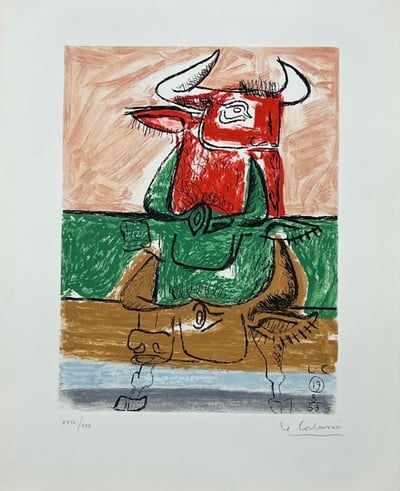
Le Corbusier
Unité 19, 1963-1965
Limited Edition Print
Etching and Aquatint
EUR 6,250
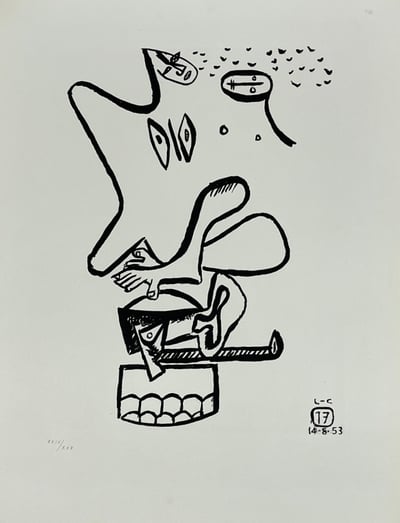
Le Corbusier
Unité 17, 1963-1965
Limited Edition Print
Etching and Aquatint
EUR 3,750
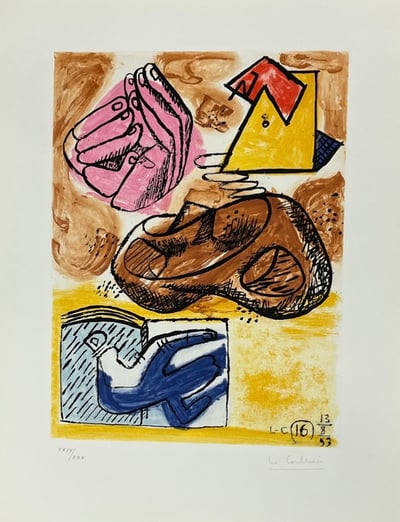
Le Corbusier
Unité 16, 1963-1965
Limited Edition Print
Etching and Aquatint
EUR 6,250
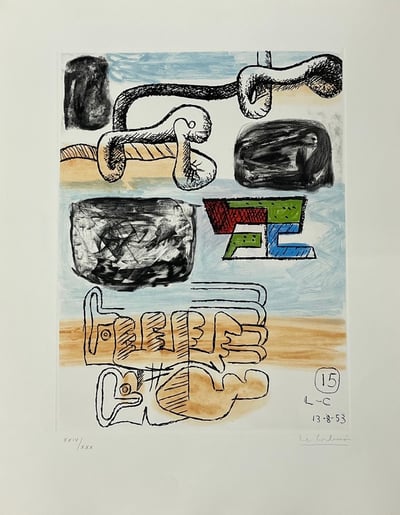
Le Corbusier
Unité 15, 1963-1965
Limited Edition Print
Etching and Aquatint
EUR 6,250
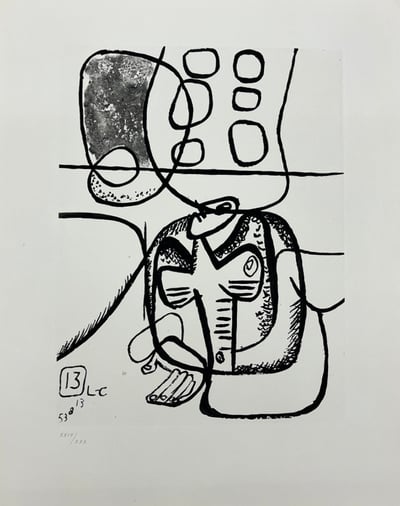
Le Corbusier
Unité 13, 1963-1965
Limited Edition Print
Etching and Aquatint
EUR 3,750
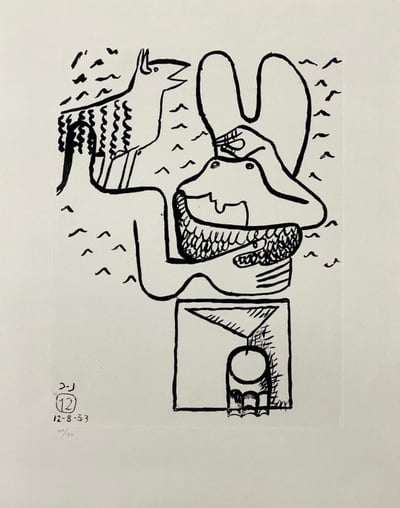
Le Corbusier
Unité 12, 1963-1965
Limited Edition Print
Etching and Aquatint
EUR 3,750
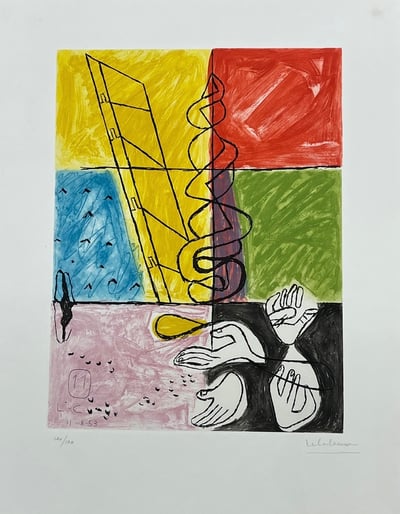
Le Corbusier
Unité 11, 1963-1965
Limited Edition Print
Etching and Aquatint
EUR 6,250
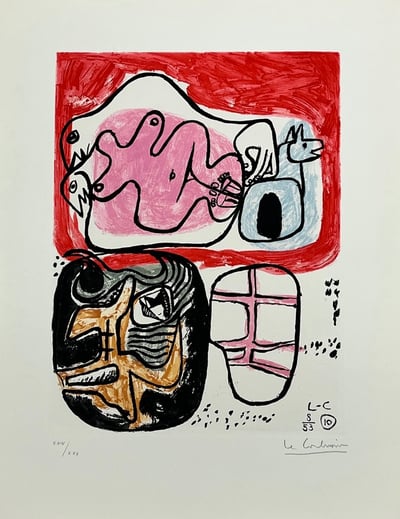
Le Corbusier
Unité 10, 1963-1965
Limited Edition Print
Etching and Aquatint
EUR 6,250
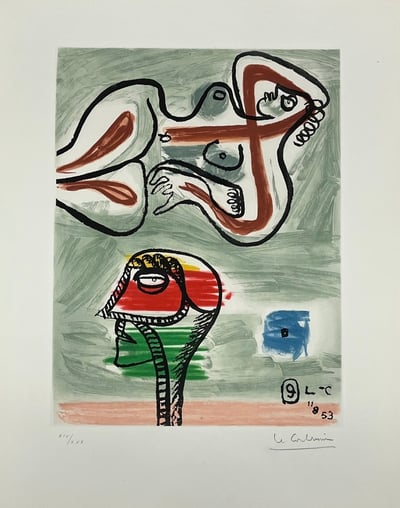
Le Corbusier
Unité 9, 1963-1965
Limited Edition Print
Etching and Aquatint
EUR 6,250
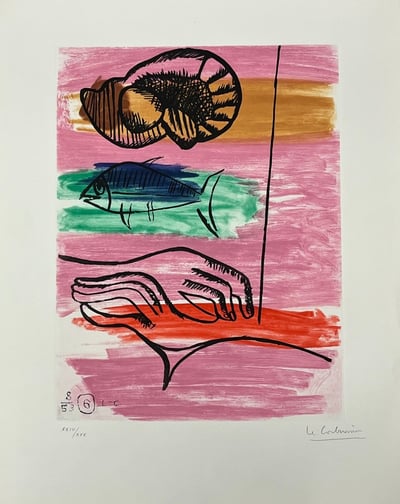
Le Corbusier
Unité 6, 1963-1965
Limited Edition Print
Etching and Aquatint
EUR 6,250
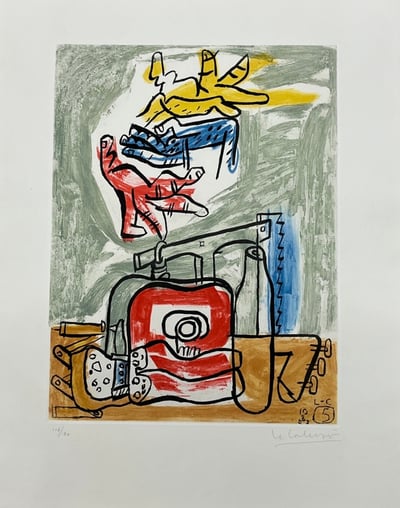
Le Corbusier
Unité 5, 1963-1965
Limited Edition Print
Etching and Aquatint
EUR 6,250
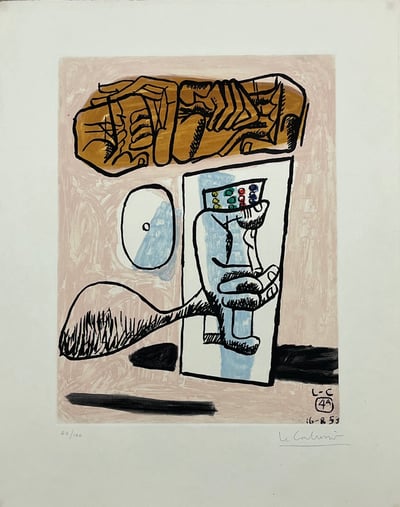
Le Corbusier
Unité 4, 1963-1965
Limited Edition Print
Etching and Aquatint
EUR 6,250
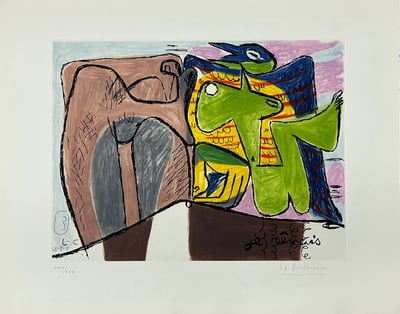
Le Corbusier
Unité 3, 1963-1965
Limited Edition Print
Etching and Aquatint
EUR 6,250
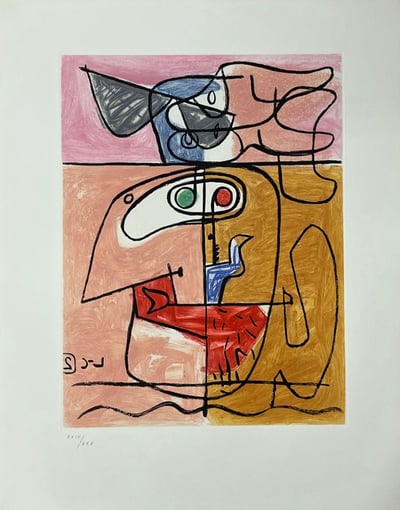
Le Corbusier
Unité 2, 1963-1965
Limited Edition Print
Etching and Aquatint
EUR 6,250
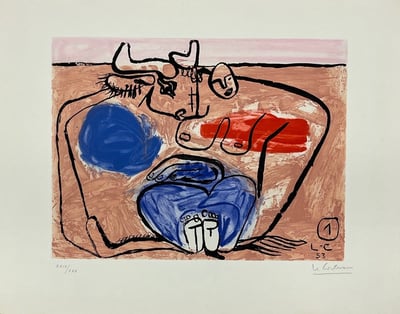
Le Corbusier
Unité 1, 1963-1965
Limited Edition Print
Etching and Aquatint
EUR 6,250
From an early age, Le Corbusier was encouraged to pursue painting alongside architecture, shaping a career that straddled both disciplines seamlessly. Influenced by his travels and encounters with the Cubists and the Purism movement, he developed a distinct style that emphasized geometric simplicity, reflecting his architectural ethos of clarity and functionality.
In the 1920s, Le Corbusier and Amédée Ozenfant founded Purism, advocating for the simplification of Cubist forms into clear geometric shapes. His art from this era, such as "Still Life" (1920), embodies this pursuit of order and harmony, paralleling his architectural vision.
Le Corbusier's artistry extended over five decades, producing a vast body of paintings, drawings, and engravings characterized by vibrant colors and geometric abstraction. These works often incorporated architectural motifs, blending art and architecture into a unified vision. His series "Unité" exemplifies this integration, echoing the principles of his architectural designs.
Believing in art's societal value, Le Corbusier saw his artistic work as part of a holistic approach to design, aimed at enhancing human well-being. His legacy, preserved by institutions like the Fondation Le Corbusier in Paris, showcases his innovative contributions to modernist art and architecture.
Le Corbusier died in 1965 in France, leaving behind a legacy celebrated for its influence on modern design. His artistic endeavors, though perhaps overshadowed by his architectural achievements, remain crucial for understanding his comprehensive vision of beauty and functionality.
Related Artists


Related Articles
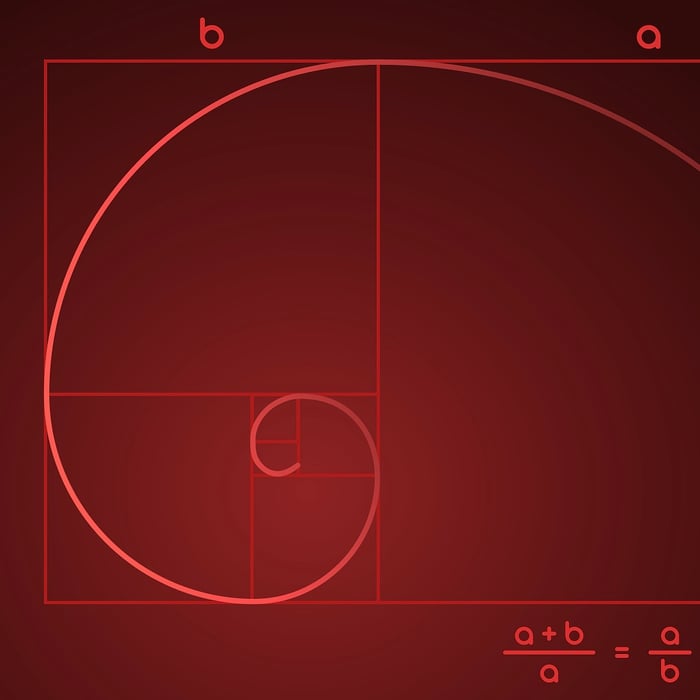
Art Movements - September 24, 2024
Beauty by Proportion: How the Golden Ratio Inspires Artists
Uncover how the Golden Ratio shapes art and design! Explore its role in harmony, from Le Corbusier’s architecture to contemporary aesthetics.Read More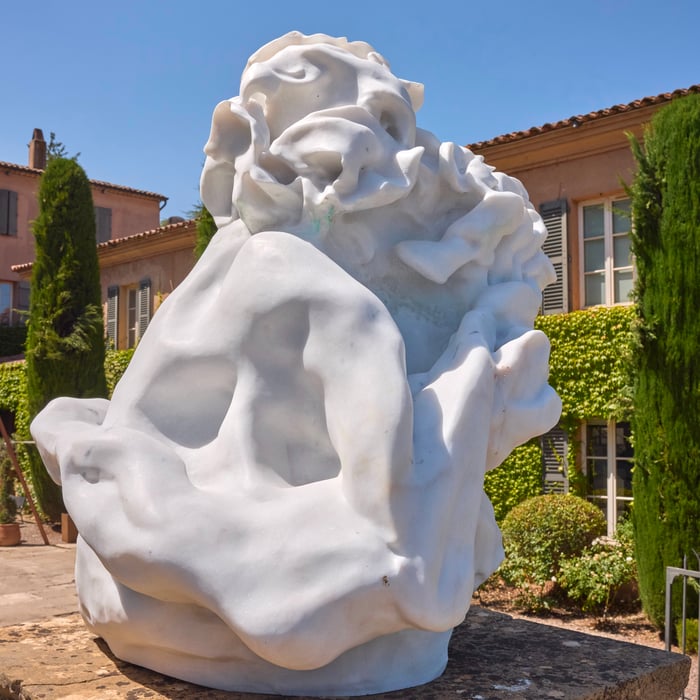
News, Popular, Collecting, Artists - August 12, 2026
In Minor Keys: Finding Intimacy and Identity at the 61st Venice Biennale — and in Your Collection
Explore how Koyo Kouoh’s 61st Venice Biennale vision, In Minor Keys, is shifting contemporary collecting toward quiet introspection, memory, and personal identi…Read More
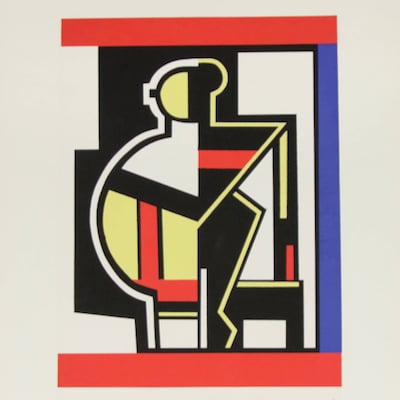 Artwork by Fernand Léger
What is Cubism?
Cubism is an art movement that aimed to depict multiple perspectives of objects or figures within a single picture. Artists Georges Braque and Pablo Picasso pioneered this style around 1907. The name Cubism emerged from their use of geometric shapes and outlines that often resembled cubes, breaking objects down into abstracted forms.
Explore »

