

Luis Camnitzer
Luis Camnitzer (Uruguay, 1937) is a conceptual artist, writer, and educator whose work critiques politics, power, and cultural systems. Employing text, installations, and prints, he explores themes of memory, identity, and societal structures. A pioneer of Latin American conceptual art, Camnitzer’s influence extends globally through his art and teachings.
© Luis Camnitzer. All rights reserved.
- Recently Added
- Price (Low-High)
- Price (High-Low)
- Year (Low-High)
- Year (High-Low)
Luis Camnitzer
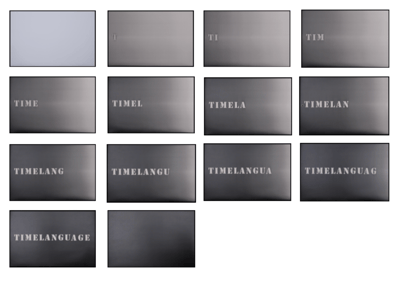
TIMELANGUAGE, 2016
Limited Edition Print
Mixed Media
EUR 35,000
Luis Camnitzer
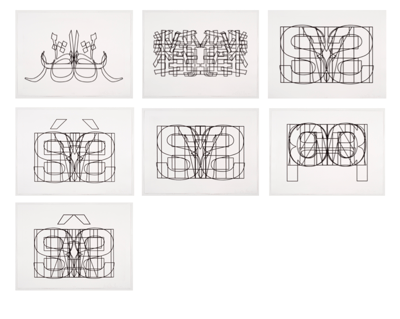
Symmetrical Jails, 2014
Limited Edition Print
Etching
USD 50,000

Luis Camnitzer
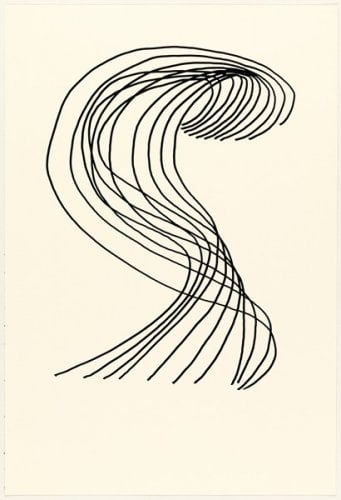
Two Parallel lines , 2014
Limited Edition Print
Digital Print on paper
EUR 9,000
No sold works to show.
Art thinking should have the same overarching role that logical thinking has.
- Luis Camnitzer
- Luis Camnitzer
Luis Camnitzer was a pioneering conceptual artist who worked mostly in printmaking, sculpture, and installation of large art pieces. He also had plenty of material for a new art form he practiced of language. Luis Camnitzer transformed the use of language into an art form often using a stinging, humorous, politically charged foundation. He was born in Germany, grew up in Uruguay, and transplanted to New York, the United States. Having lived in three countries, he was influenced in such a way that his work often focused on social injustice and repression. He was often outspoken and criticized political institutions for lack of actual solutions to the problems of the masses. He made no apologies for his views, yet continued to call for social change. Luis Camnitzer along with two other artists, Argentinian Liliana Porter and Venezuelan Guillermo Castillo co-founded The New York Graphic Workshop which ran for the next year with a focus on trying to revolutionize the printmaking world. Perhaps one of Luis Camnitzer's more famous works his the use of the dictionary in his installation of Living Room where where he made the written word come alive.
Related Artists



Related Articles
Artists - November 11, 2024
25 Living Icons: A Generation of Artists Defying Time
Celebrate 25 living legends redefining art! From Kusama to Hockney, explore their enduring creativity and groundbreaking contributions to modern art.Read More
News, Popular, Collecting, Artists - August 12, 2026
In Minor Keys: Finding Intimacy and Identity at the 61st Venice Biennale — and in Your Collection
Explore how Koyo Kouoh’s 61st Venice Biennale vision, In Minor Keys, is shifting contemporary collecting toward quiet introspection, memory, and personal identi…Read More
 Artwork by Laure Prouvost
What is Lettrism?
Lettrism is an art form that uses letters, words, and symbols to create artwork. The movement was established in Paris in the 1940s and later gained popularity in the 1950s in America. Lettrisme is the French spelling of the movement's name, derived from the French word for letter.
Explore »

