

Lygia Pape
Lygia Pape (Brazil, 1927–2004) was a pioneering artist in the Neo-Concrete movement, known for her innovative approach to abstraction. Her work spanned painting, sculpture, installation, and film, emphasizing sensory experiences and viewer participation. Iconic works like Book of Creation and Ttéia highlight her exploration of geometry, light, and space.
© Lygia Pape. All rights reserved.
- Recently Added
- Price (Low-High)
- Price (High-Low)
- Year (Low-High)
- Year (High-Low)
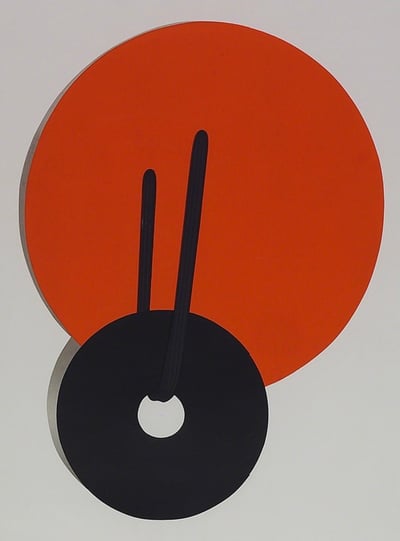
Lygia Pape
Untiltled, 1994
Limited Edition Print
Serigraph
Currently Not Available
No sold works to show.
Art is my way of understanding the world.
- Lygia Pape
- Lygia Pape
Brazilian artist Lygia Pape was a sculptor, painter, performer, and filmmaker influential for her contributions to the Concrete and Neo-Concrete movements of the 1950s and 60s. Most of Pape’s work relied on geometrical abstractions and formations, with her sculptures and installations involving viewers’ physical participation. Her early works of painting and sculpture exhibited themes central to Concrete art, avoiding reference or allusion to any recognizable subject matter and instead aiming for objectivity and pure abstraction. With the focus being exploration and interaction with unassociated forms and colors, Pape’s work sought to challenge the sentimentality and subjectivity generally expected of art, thereby pushing conceptual boundaries and requiring more cerebral interaction from the viewer. Pioneering the Neo-Concrete movement, Lygia Pape was among the first to break from the rigidity of Concrete art while still keeping many of the same principles. With some of her works being politically charged, such as her videos and installations of the 1960s and 70s criticizing the Brazilian dictatorship, Pape was never afraid of challenging norms, using her art as a vessel for her commentary. Throughout her teaching career and later years, Lygia Pape continued to produce art integrating aesthetic elegance with intellectual challenges.
Related Artists


Related Articles
News, Popular, Collecting, Artists - August 12, 2026
In Minor Keys: Finding Intimacy and Identity at the 61st Venice Biennale — and in Your Collection
Explore how Koyo Kouoh’s 61st Venice Biennale vision, In Minor Keys, is shifting contemporary collecting toward quiet introspection, memory, and personal identi…Read More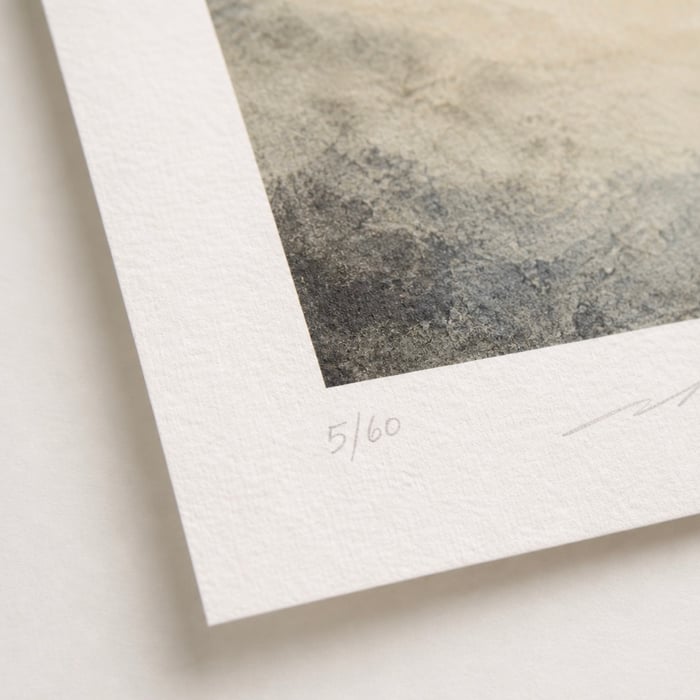
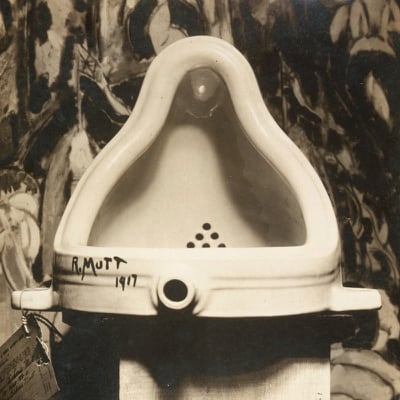 Artwork by Marcel Duchamp
What is Found Object?
A found object is a term used to describe a man-made or natural object, or a fragment of one, that an artist discovers or purchases and keeps for inspiration or as a work of art. The artist may also modify the object or incorporate it into a collage or assemblage, transforming it into a new piece of art.
Explore »

