

Martin Disler
Martin Disler (Switzerland, 1949–1996) was a self-taught artist associated with the Neue Wilde movement. His dynamic paintings, drawings, and sculptures often explored themes of human emotion and existentialism. Disler's work gained international recognition in the 1980s, with exhibitions at institutions like MoMA and the Tate Gallery.
© Martin Disler. All rights reserved.
- Recently Added
- Price (Low-High)
- Price (High-Low)
- Year (Low-High)
- Year (High-Low)
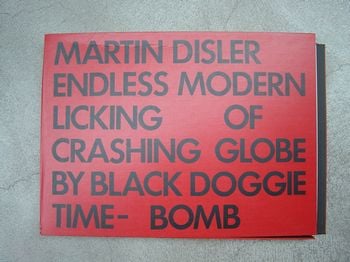
Martin Disler
Endless modern licking of crasching globe by Black Doggy - Time Bomb, 1981
Limited Edition Print
Etching
Currently Not Available
No sold works to show.
Martin Disler was a Swiss painter in the second half of the twentieth century, and he was connected with the Neue Wilde(also known as the Junge Wilde). He worked primarily in Europe and the United States in the 1970s and 1980s with such contemporaries as Georg Baselitz, Francesco Clemente and Sandro Chia, showing works at the Documenta 7 in 1982. His works primarily featured oil and/or acrylic spray on canvas. Most of his canvases appear without a title, leaving interpretation to the viewer. The Neue Wilde style appeared within the German-speaking parts of Europe as a response to the established elements of the avant-garde, to minimal art and to conceptual art. A fellow movement was the Italian transavantguardia movement, the Figuration Libre in France and New-Image-Painting in the United States. Paintings by Disler and other members of this movement feature broad, quick brushstrokes in colors that are intense and bright.
Related Artists

Related Articles
News, Popular, Collecting, Artists - August 12, 2026
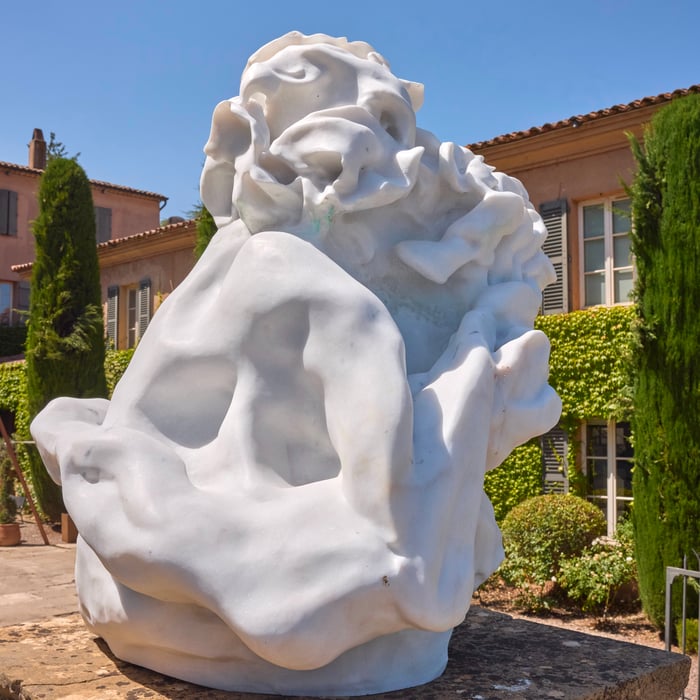
In Minor Keys: Finding Intimacy and Identity at the 61st Venice Biennale — and in Your Collection
Explore how Koyo Kouoh’s 61st Venice Biennale vision, In Minor Keys, is shifting contemporary collecting toward quiet introspection, memory, and personal identi…Read More
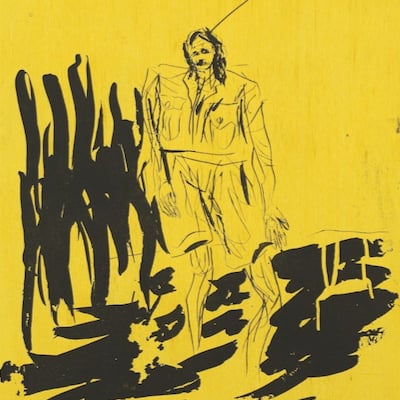 Artwork by Georg Baselitz
Who are the Neue Wilden?
Neue Wilden is the term German artists used for Neo-Expressionism. In the 1970s and 80s, expressive painting re-emerged in Germany, with artists embracing intense colors and broad brushstrokes. The movement grew in opposition to minimal and conceptual art, favoring a return to raw, emotional expression through bold and dynamic painting techniques.
Explore »

