

Rosemarie Trockel
Rosemarie Trockel (Germany, 1952) is a German conceptual artist known for her diverse body of work, including drawings, paintings, sculptures, videos, and installations. She gained prominence in the 1980s with her machine-knitted wool paintings that challenged traditional art forms and gender roles. Trockel's innovative approach often critiques societal norms and explores the intersection of art and feminism.
© Rosemarie Trockel. All rights reserved.
- Recently Added
- Price (Low-High)
- Price (High-Low)
- Year (Low-High)
- Year (High-Low)
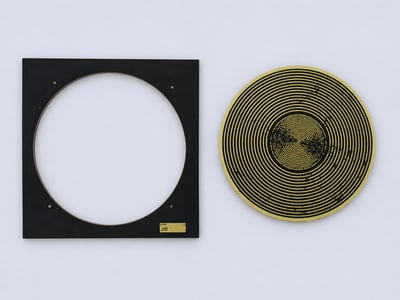
Rosemarie Trockel
Ex voto Platte, 2000
Sculpture / Object
Mixed Media
EUR 900
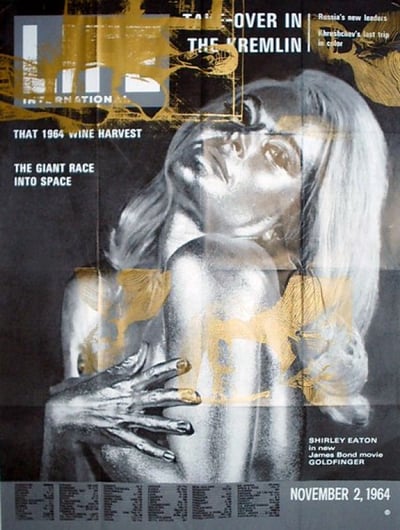
Rosemarie Trockel
Life 1, 2005
Limited Edition Print
Silkscreen
Currently Not Available
The minute something works, it ceases to be interesting. As soon as you have spelled something out, you should set it aside.
- Rosemarie Trockel
- Rosemarie Trockel
Rosemarie Trockel an artist from Germany who started her studies in 1974 at the Werkkunstschule in Cologne and found the Muelheimer Freiheit in the early 1980s. This was a group of painters in Cologne - predominantly male - but she emerged as an advocate of feminist issues, questioning the traditional hierarchies in society and in aesthetics. One material that Rosemarie Trockel uses most commonly materials is wool, which she started using during the 1980s to put together what she calls "knitting pictures," which are lengths of material that have been stretched to fit on frames, and patterned with geometrical shapes or publicly recognizable logos. One of her best known wool series isI See Darkness (2011), in which black yarn stretches over white perspex in vertical lines. Another favorite genre of hers is mixed media, such as Painting Machine and 56 BrushStrokes (1990), which incorporates steel rolls and wires. The brushes make marks on a paper roll, and they have been made from human hair and feature the names of the donors of the hair. Since the early 1990s, she has worked primarily in video.
Related Artists
Related Articles
News, Popular, Collecting, Artists - August 12, 2026
In Minor Keys: Finding Intimacy and Identity at the 61st Venice Biennale — and in Your Collection
Explore how Koyo Kouoh’s 61st Venice Biennale vision, In Minor Keys, is shifting contemporary collecting toward quiet introspection, memory, and personal identi…Read More
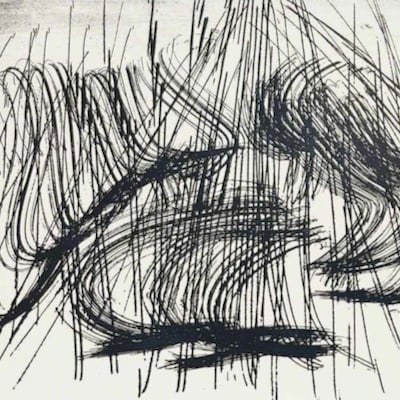 Artwork by Hans Hartung
What is automatism?
Automatism refers to a technique in the creative process that accesses material from the unconscious or subconscious mind. It is based on Sigmund Freud’s psychoanalytic method of free association. Artists value this process for its ability to inspire creative thought and spontaneous creation.
Explore »

