

1 adhesive (cfr. sticker verso) kitchen hotplate, with yellow motif. Silkscreen-printing on cellular rubber, verso adhesive film layer. Total frame 28 x 28 cm x 0.8 cm , cut out hotplate diameter 24 cm (x 0.8 cm) Hand signed and numbered in felt pen on yellow label (recto on outer frame).
This striking multiple by Rosemarie Trockel transforms an ordinary adhesive kitchen hotplate into a charged conceptual object. The circular form, rendered in bright yellow silkscreen on cellular rubber, evokes the domestic hob motif central to Trockel’s investigation of gender, craft, and the politics of the everyday. Part of an edition of fifty in yellow, the work bridges Pop sensibility and feminist critique, inviting the viewer to reconsider the boundary between art and utilitarian design. Hand-signed and numbered, it remains a quintessential example of Trockel’s subversive wit and material intelligence.
Artwork Copyright © Rosemarie TrockelRosemarie Trockel (Germany, 1952) is a German conceptual artist known for her diverse body of work, including drawings, paintings, sculptures, videos, and installations. She gained prominence in the 1980s with her machine-knitted wool paintings that challenged traditional art forms and gender roles. Trockel's innovative approach often critiques societal norms and explores the intersection of art and feminism.
Artwork Copyright © Rosemarie TrockelEx voto Platte, 2000
Form
Medium
Size
- Inches
- Centimeters
Edition
Price
- USD
- EUR
- GBP
- CHF
- Authenticity Guaranteed
- Insured Shipping
- Online Since 2005
●Inventory 17350
●Signed
●Comes with gallery invoice and certificate
●Sell Us a Similar Artwork. Learn more.
1 adhesive (cfr. sticker verso) kitchen hotplate, with yellow motif. Silkscreen-printing on cellular rubber, verso adhesive film layer. Total frame 28 x 28 cm x 0.8 cm , cut out hotplate diameter 24 cm (x 0.8 cm) Hand signed and numbered in felt pen on yellow label (recto on outer frame).
This striking multiple by Rosemarie Trockel transforms an ordinary adhesive kitchen hotplate into a charged conceptual object. The circular form, rendered in bright yellow silkscreen on cellular rubber, evokes the domestic hob motif central to Trockel’s investigation of gender, craft, and the politics of the everyday. Part of an edition of fifty in yellow, the work bridges Pop sensibility and feminist critique, inviting the viewer to reconsider the boundary between art and utilitarian design. Hand-signed and numbered, it remains a quintessential example of Trockel’s subversive wit and material intelligence.
Artwork Copyright © Rosemarie TrockelRosemarie Trockel (Germany, 1952) is a German conceptual artist known for her diverse body of work, including drawings, paintings, sculptures, videos, and installations. She gained prominence in the 1980s with her machine-knitted wool paintings that challenged traditional art forms and gender roles. Trockel's innovative approach often critiques societal norms and explores the intersection of art and feminism.
Artwork Copyright © Rosemarie Trockel- Recently Added
- Price (Low-High)
- Price (High-Low)
- Year (Low-High)
- Year (High-Low)
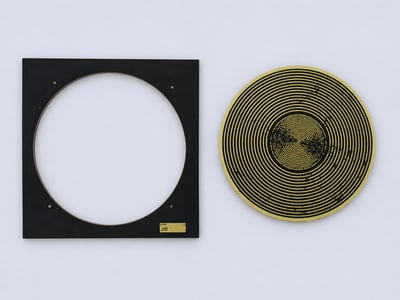
Rosemarie Trockel
Ex voto Platte, 2000
Sculpture / Object
Mixed Media
EUR 900
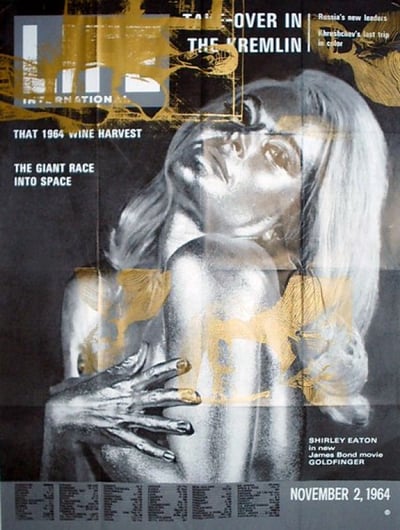
Rosemarie Trockel
Life 1, 2005
Limited Edition Print
Silkscreen
Currently Not Available
Related Artists
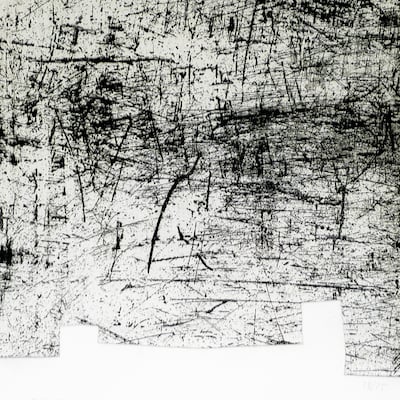
Artwork by Eduardo Chillida
What is abstract art?
Abstract art uses form, shape, line, and color to create a visual experience without attempting to represent external reality. The composition exists independently of the world's visual references, focusing on expressing ideas and emotions through non-representational means.



