Zao Wou-Ki

Zao Wou-Ki (China/France, 1920–2013) was a renowned painter whose work blends Eastern and Western aesthetics, known for his abstract landscapes and vibrant color palettes. Combining Chinese calligraphic influences with European modernism, Zao’s paintings evoke a sense of lyrical abstraction and spirituality. His works remain celebrated in both Asian and Western art circles.

© Zao Wou-Ki. All rights reserved.

Untitled (A. 246A)

Zao Wou-Ki

Untitled (A. 246A), 1974

Limited Edition Print

Etching and Aquatint

EUR 4,500 - 6,000

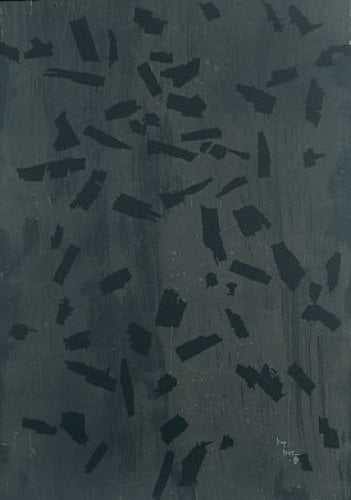
sonnets de Shakespeare II

Zao Wou-Ki

sonnets de Shakespeare II, 1994

Limited Edition Print

Etching

EUR 2,800

Sonnets de Shakespeare I

Zao Wou-Ki

Sonnets de Shakespeare I, 1994

Limited Edition Print

Etching

EUR 2,800
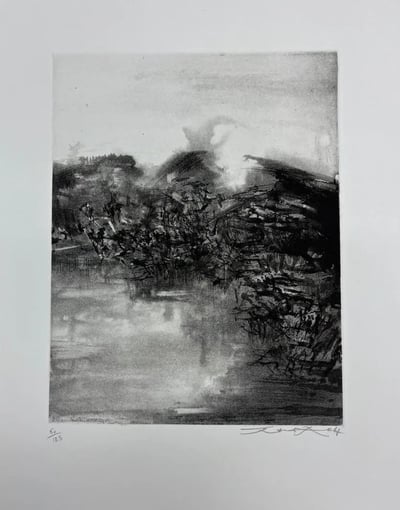
Composition

Zao Wou-Ki

Composition, 1967

Limited Edition Print

Etching

EUR 3,750
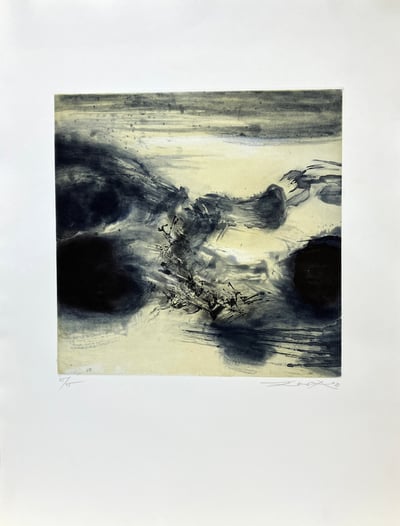
Untitled (Agerup 243)

Zao Wou-Ki

Untitled (Agerup 243), 1973

Limited Edition Print

Aquatint

EUR 5,400

Album internacional

Zao Wou-Ki

Album internacional, 1973

Limited Edition Print

Lithograph

EUR 2,250
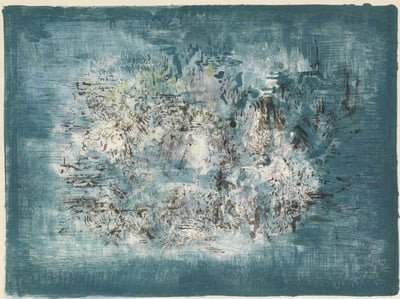
Petit Jardin

Zao Wou-Ki

Petit Jardin, 1956

Limited Edition Print

Lithograph

EUR 10,000

Untitled (A. 127)

Zao Wou-Ki

Untitled (A. 127), 1960

Limited Edition Print

Lithograph

EUR 5,000
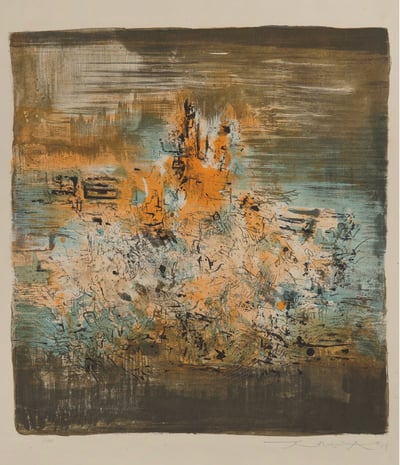
Untitled (A.121)

Zao Wou-Ki

Untitled (A.121), 1959

Limited Edition Print

Lithograph

EUR 10,000

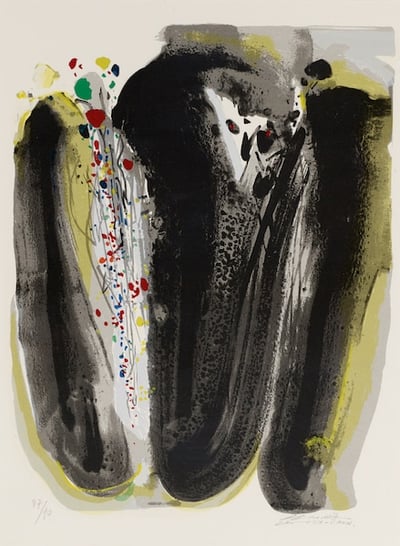
Untitled (A. 394)

Zao Wou-Ki

Untitled (A. 394), 1998

Limited Edition Print

Lithograph

EUR 6,000

Untitled (A. 390)

Zao Wou-Ki

Untitled (A. 390), 1998

Limited Edition Print

Lithograph

EUR 6,000

Paysage au Soleil

Zao Wou-Ki

Paysage au Soleil, 1950

Limited Edition Print

Etching

Currently Not Available

I believe that all painters are realists for themselves. They are abstract for other people.
 

- Zao Wou-Ki
Zao Wou-Ki was an abstract painter and émigré to France from Beijing, China. He worked during the post-war period in Europe to create a synthesis of artistic aesthetics from both West and East in his art. He made a home in Paris in 1948 and became a French citizen in 1962. Zao Wou-Ki believed that his artwork reflected the struggle of expressing both his Chinese origins and the influences of Paris and European art traditions. His painting sales reached at least $90 million by the year 2011. Zao Wou-Ki created drawings and paintings that many have said were stylistically similar to that of Abstract Expressionists. He also said that Cezanne, Matisse and Picasso were artists who influenced his works. After 1959, he began to paint only abstracts and stopped naming his works with descriptions. Instead, he used the date of the completed work as its name. He created several works in the form of diptychs and triptychs. One is “01.04.66”. Another is “27.08.82”. These oils on canvas exhibit a visual struggle between order and chaos, which some liken to Daoism. Some describe his use of large areas of color as bringing the world of his imagination into being. In addition to oils on canvas, Zao Wou-Ki also created drawings using India ink or watercolor on paper. These early works have the sensibility of Chinese calligraphy and brush painting in that they are structurally balanced, with movement created by lines and brushstrokes painted with precise intention. However, they also are infused with the abstract expressionist freedom to use space and improvisational placements of dots and lines in complement to and regard for space and composition. Throughout his life, his art was a merging of training and life experiences from the Eastern and Western cultures which were part of his innermost self. (Artist website)

Stay Updated on Zao Wou-Ki

Subscribe to receive updates on new artworks, exhibitions and news about Zao Wou-Ki.

We respect your privacy and protect your information.
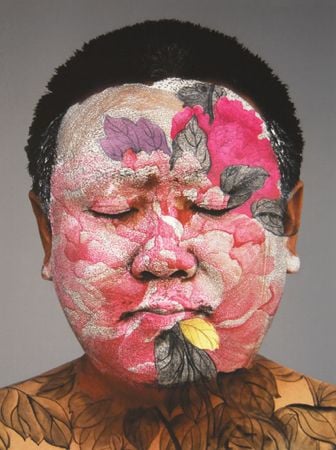
What is Chinese contemporary art?Artwork by Feng Zhengjie

What is Chinese contemporary art?

Chinese Contemporary Art is marked by a wide range of styles and experimental approaches. In the 1980s, avant-garde exhibitions were often shut down by government officials. The 1990s saw the rise of political pop and cynical realism, while China's One-Child Policy influenced artists to explore the individual as a subject matter.

Explore »

Est. 2005 — twenty years of collecting, online.