

Japan
Contemporary Art in Japan is a vibrant fusion of traditional aesthetics and modern creativity. Japanese artists, such as Yayoi Kusama and Takashi Murakami, have made significant contributions to the global art scene, creating works that span various mediums and explore themes from societal issues to personal experiences. Tokyo, the heart of Japan's art scene, is home to numerous galleries and museums that showcase this dynamic art form. Japanese contemporary art, thus, serves as a powerful platform for dialogue and expression, pushing boundaries and challenging conventions.
- Show All
- Established
- Discoveries
- Show All
Artworks Related to Japan
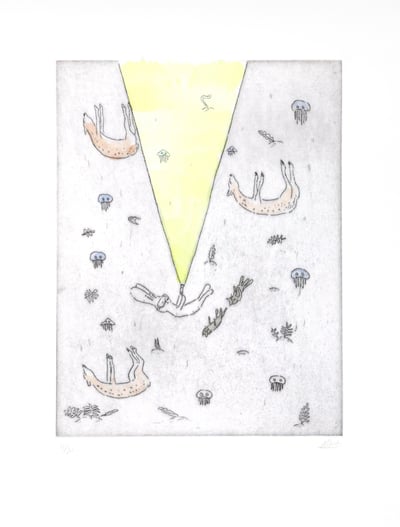
Atsushi Kaga
Usacchi-Flashlight falling, 2025
Limited Edition Print
Etching
EUR 2,500
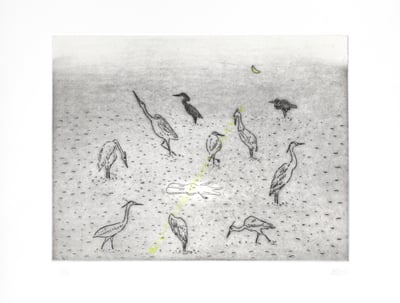
Atsushi Kaga
Usacchi-Observing, 2025
Limited Edition Print
Etching
EUR 2,500
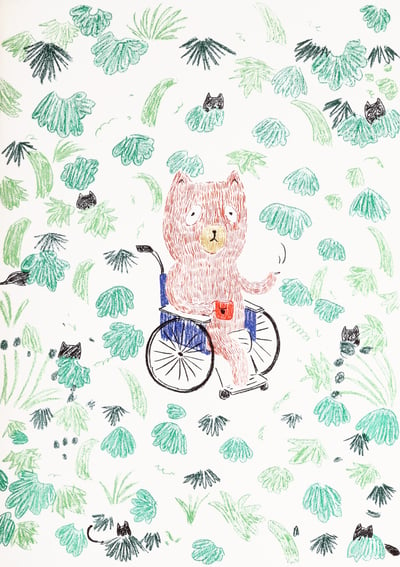
Atsushi Kaga
Kumacchi in green 2, 2023
Limited Edition Print
Lithograph
EUR 5,000
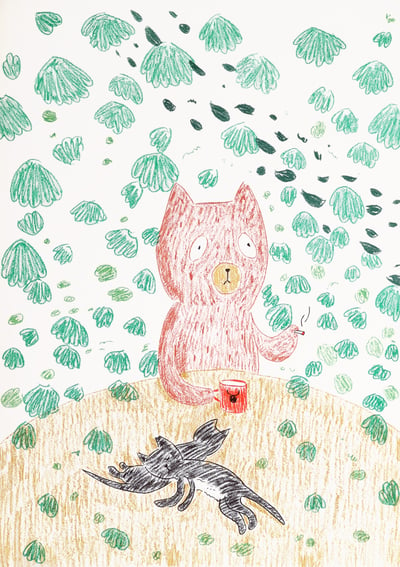
Atsushi Kaga
Kumacchi in green 1, 2023
Limited Edition Print
Lithograph
EUR 5,000
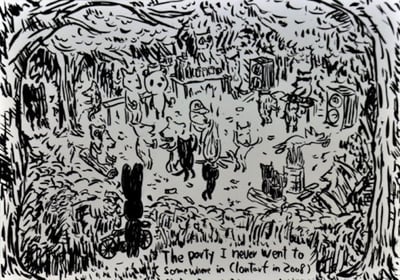
Atsushi Kaga
The party I never went to..., 2012
Limited Edition Print
Lithograph
EUR 1,300
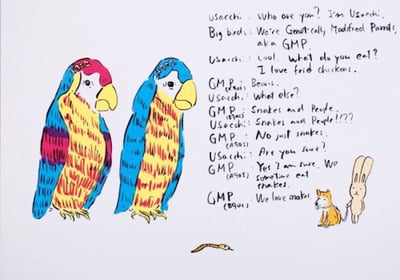
Atsushi Kaga
2 Genetically modified parrots, 2012
Limited Edition Print
Lithograph
EUR 1,300
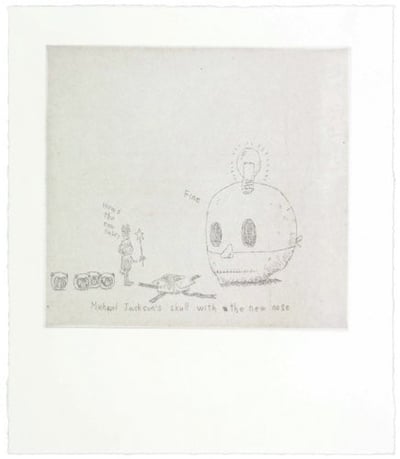
Atsushi Kaga
The new nose for Micheal Jackson's skull, 2014
Limited Edition Print
Etching
EUR 1,500
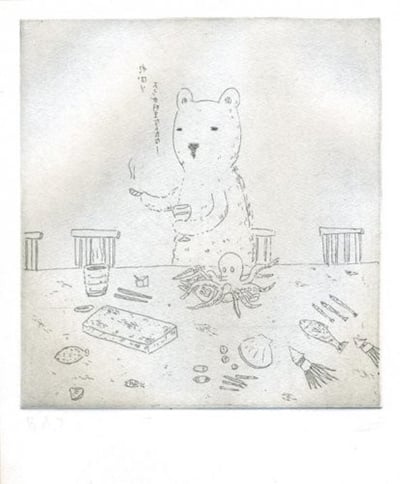
Atsushi Kaga
Robert Battles with the octopus, 2014
Limited Edition Print
Etching
EUR 1,500
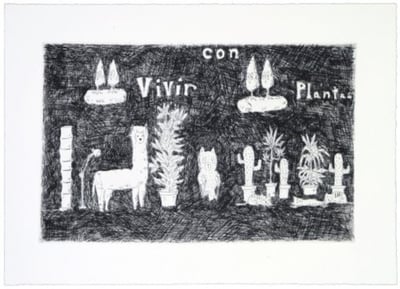
Atsushi Kaga
Vivir con plantas, 2014
Limited Edition Print
Etching
EUR 1,500

Atsushi Kaga
The darkness covers his work, 2014
Limited Edition Print
Etching
EUR 1,500
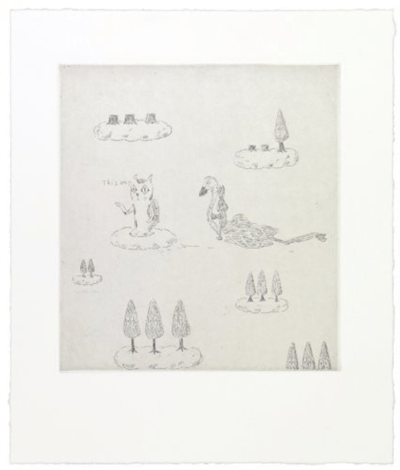
Atsushi Kaga
This way cat leads Robert, 2014
Limited Edition Print
Etching
EUR 1,500
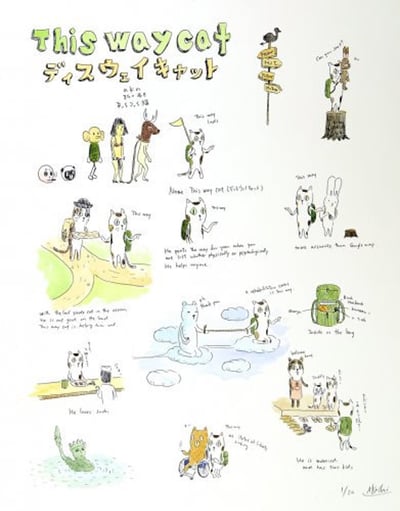
Atsushi Kaga
This way cat, 2014
Limited Edition Print
Lithograph
EUR 2,000
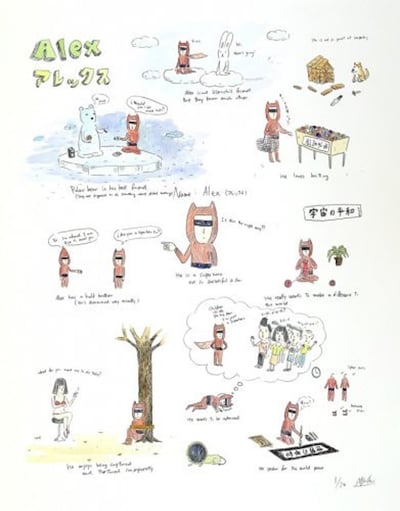
Atsushi Kaga
Alex, 2014
Limited Edition Print
Lithograph
EUR 2,000
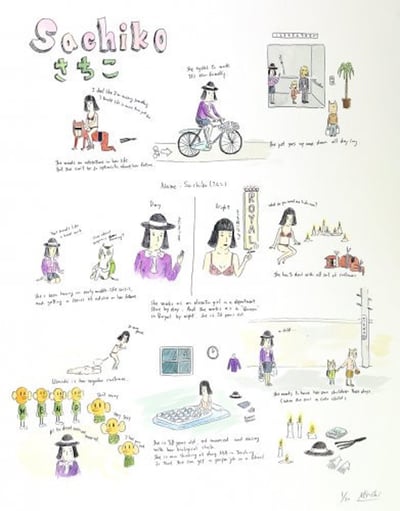
Atsushi Kaga
Sachiko, 2014
Limited Edition Print
Lithograph
EUR 2,000
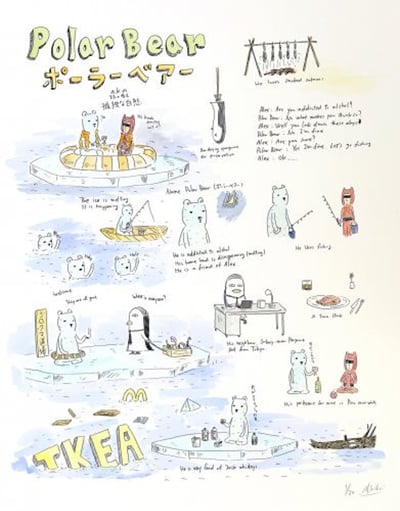
Atsushi Kaga
Polar Bear, 2014
Limited Edition Print
Lithograph
EUR 2,000
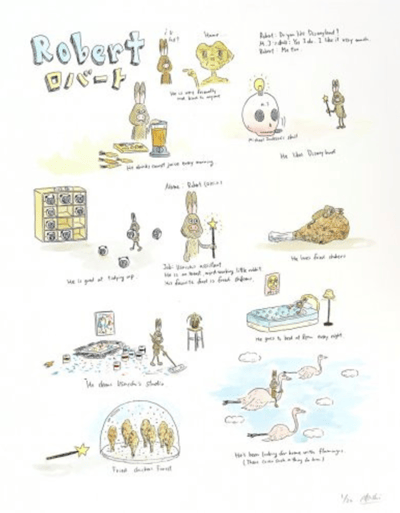
Atsushi Kaga
Robert, 2014
Limited Edition Print
Lithograph
EUR 2,000
Related Articles
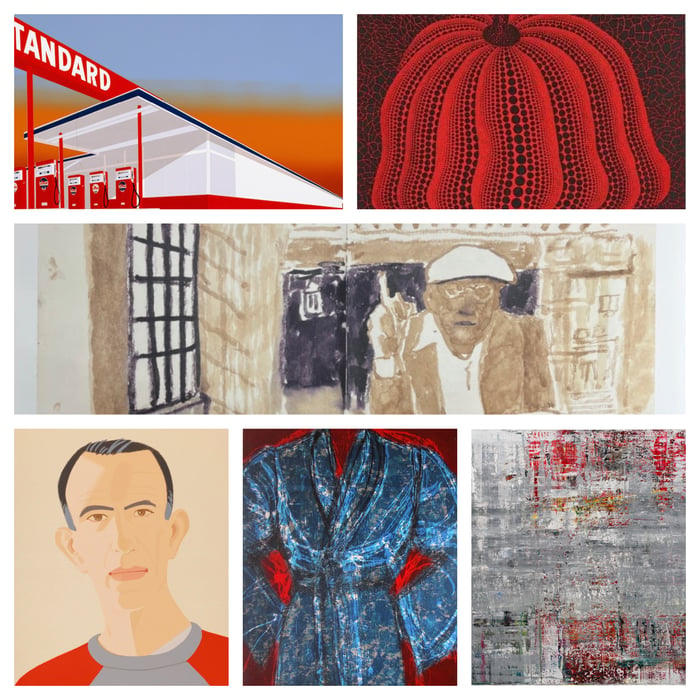


Generative art refers to art that is wholly or partly created through an autonomous system. This system can be independent or non-human, capable of determining features that would otherwise be decided by the artist. The generative system can act as the creator or as a collaborator with the artist. Generative art often refers to works generated algorithmically by computers, where the system plays a significant role in the creation process.
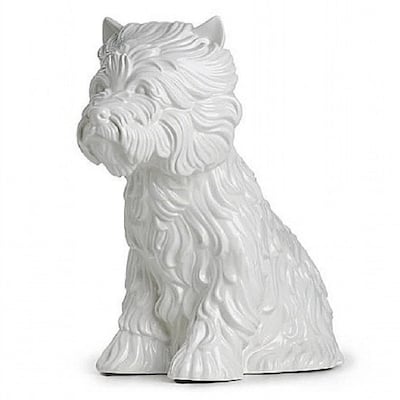
Art Fabrication is a process used in the production of technically challenging or large-scale artworks. It occurs when a designer or artist is unable to fully realize their concept or design on their own and seeks assistance from a fabrication studio. These studios are equipped with specialized machinery, resources, and skilled labor necessary to execute complex art projects to a high standard.

Known as Neo-Geo for short, this movement uses geometric objects and shapes to create abstract artwork as a metaphor for society. Inspired by various 20th-century art styles, including minimalism and pop art, Neo-Geo emerged in the 1980s as a response to the industrialization and commercialization of the modern world. The movement reflects on the impact of mass production, consumerism, and technology, often critiquing the superficiality of contemporary culture through its abstract, geometric compositions.
Can't find your Answer?
Thank you! Your question has been sent — we'll get back to you shortly.
