

Spain
Spain's contemporary art scene is a vibrant amalgamation of tradition and innovation. Distinguished museums like the Reina Sofia Museum in Madrid and the Guggenheim Museum in Bilbao showcase thought-provoking art installations and exhibits. Spanish artists such as Antoni Tàpies and Miquel Barceló have significantly influenced contemporary art. Spain's thriving art scene is also celebrated in the annual ARCOmadrid fair. Discover the compelling dynamics of Spain's contemporary art on Composition Gallery's website.
- Show All
- Established
- Discoveries
- Show All
Artworks Related to Spain

Antoni Clave
Ocre, noir et bleu, 1968
Limited Edition Print
Etching
EUR 1,625

Antoni Clave
Untitled (Gants et signes)
Limited Edition Print
Etching
EUR 1,625

Antoni Clave
Deux gants, 1970
Limited Edition Print
Collage
EUR 2,350

Antoni Clave
15 A, 1970
Limited Edition Print
Collage
EUR 2,350

Antoni Clave
Instrument bande rouge, 1979
Limited Edition Print
Etching
EUR 1,625

Alfons Borrell
Untitled (Crimson Edge and Indigo Field), 2000
Painting
Mixed Media
EUR 9,500

Alfons Borrell
Untitled (Violet Stripes and Thin Lines), 2008
Drawing / Watercolor
Mixed Media
EUR 2,350

Alfons Borrell
Untitled (Violet Veil and Red Line), 2008
Drawing / Watercolor
Mixed Media
EUR 2,350

Alfons Borrell
Untitled (Green Block and Black Strokes), 1988
Drawing / Watercolor
Mixed Media
Inquire For Price

Miquel Barceló
Les Germes, 1987
Limited Edition Print
Etching
EUR 15,400

Miquel Barceló
Lanzarote 2, 1999
Limited Edition Print
Etching and Aquatint
EUR 5,450

Miquel Barceló
Lanzarote 3, 1999
Limited Edition Print
Etching and Aquatint
EUR 5,450

Miquel Barceló
Lanzarote 4, 1999
Limited Edition Print
Etching and Aquatint
EUR 5,450
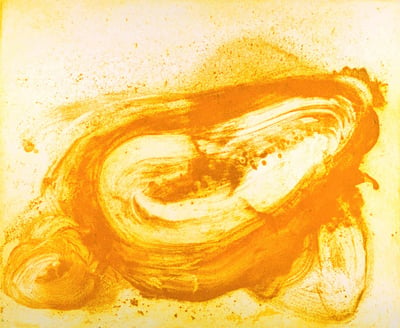
Miquel Barceló
Lanzarote 7, 1999
Limited Edition Print
Etching and Aquatint
EUR 5,450

Miquel Barceló
Lanzarote 8, 1999
Limited Edition Print
Etching and Aquatint
EUR 5,450

Miquel Barceló
Lanzarote 9, 1999
Limited Edition Print
Etching and Aquatint
EUR 5,450
Related Articles

New Topographics is a term coined in 1975 by curator William Jenkins to describe a group of photographers whose work focused on formal black-and-white images of urban and industrial landscapes. Jenkins initially described their aesthetic as banal, but the photographers themselves argued that their compositions were as significant as those of natural landscapes, emphasizing the beauty in everyday, man-made environments.
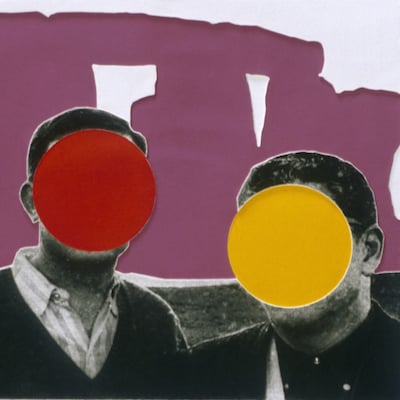
Sometimes referred to as Conceptualism, this is an art form where the idea(s) or concept(s) behind the work take precedence over material concerns and traditional aesthetics. Many conceptual artworks can be created by anyone simply by following written instructions. The concept or idea is the most essential aspect of the artwork.

Crayon is a French word that means pencil. In art, a crayon is a stick made of colored wax, chalk, charcoal, or clay used for drawing and coloring. Crayons are typically made from paraffin wax, which is derived from petroleum, coal, or wood. Types of crayons include wax crayons, pastel crayons, and oil pastels.
Can't find your Answer?
Thank you! Your question has been sent — we'll get back to you shortly.
