

Spain
Spain's contemporary art scene is a vibrant amalgamation of tradition and innovation. Distinguished museums like the Reina Sofia Museum in Madrid and the Guggenheim Museum in Bilbao showcase thought-provoking art installations and exhibits. Spanish artists such as Antoni Tàpies and Miquel Barceló have significantly influenced contemporary art. Spain's thriving art scene is also celebrated in the annual ARCOmadrid fair. Discover the compelling dynamics of Spain's contemporary art on Composition Gallery's website.
- Show All
- Established
- Discoveries
- Show All
Artworks Related to Spain

Antonio Saura
El perro de Goya I, 1988
Drawing / Watercolor
Mixed Media
Inquire For Price

Antonio Saura
Serie Abierta (Vibrant Eyes and Abstract Shapes, 1989
Limited Edition Print
Lithograph
EUR 2,950

Antonio Saura
Serie Abierta (Crowded Faces), 1989
Limited Edition Print
Lithograph
EUR 2,950

Jaume Plensa
Untitled (Abstract Blossom), 1987
Limited Edition Print
Etching
EUR 2,100

Joan Miró
Personnage, 1980
Drawing / Watercolor
Pencil
Inquire For Price
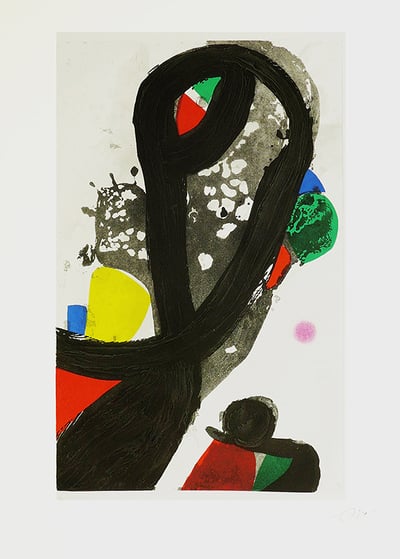
Joan Miró
La veuve du corsaire, 1981
Limited Edition Print
Etching and Aquatint
EUR 9,500
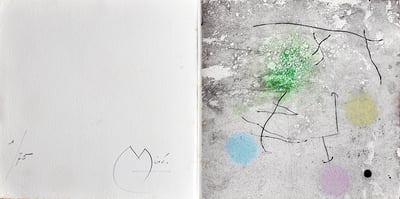
Joan Miró
Création Miró MCMLXI, 1962
Limited Edition Print
Etching and Aquatint
EUR 3,350

Cristina Iglesias
Habitación XI (b&w), 2002
Limited Edition Print
Silkscreen
EUR 3,950

Cristina Iglesias
Habitación XII, 2002
Limited Edition Print
Silkscreen
EUR 3,950

Joan Hernandez Pijuan
Hojas, 1987
Limited Edition Print
Etching
EUR 1,950

Joan Hernandez Pijuan
La casa desde la que se divisa el campo IV, 1989
Limited Edition Print
Etching and Aquatint
EUR 2,200

Joan Hernandez Pijuan
Recorrido para un espacio III, 1989
Limited Edition Print
Etching and Aquatint
EUR 2,200

Joan Hernandez Pijuan
Rosa blanca, 1987
Limited Edition Print
Etching and Aquatint
EUR 1,950

Joan Hernandez Pijuan
Recorrido para un espacio I, 1989
Limited Edition Print
Etching and Aquatint
EUR 2,200

Joan Hernandez Pijuan
Jarro con rosa, 1987
Limited Edition Print
Linocut
EUR 1,950

Joan Hernandez Pijuan
Colors per un paisatge, 2004
Limited Edition Print
Lithograph
EUR 1,200
Related Articles
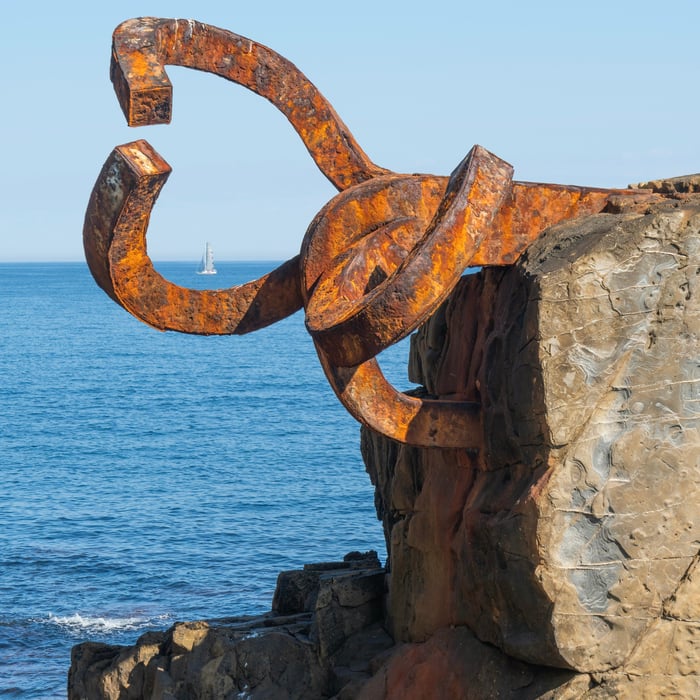
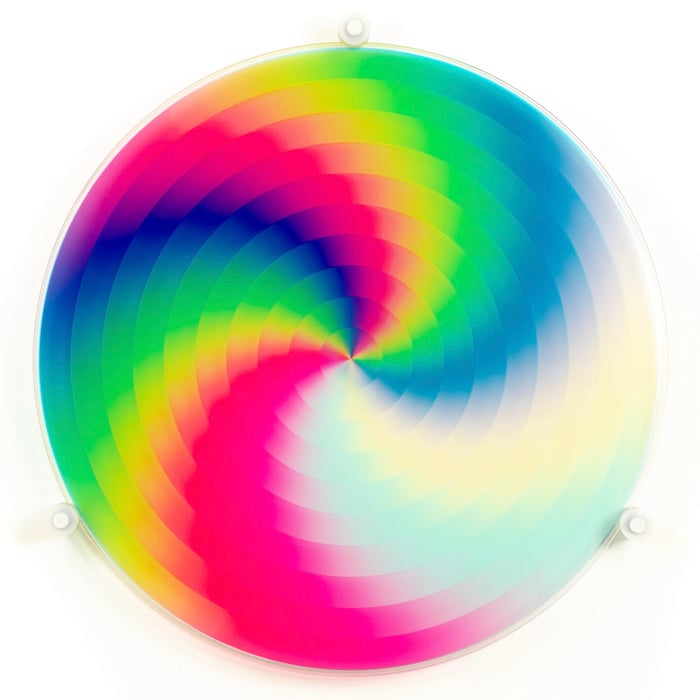
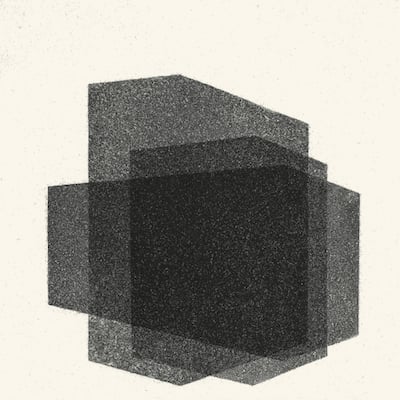
Intaglio is a printmaking technique where the artist creates marks on a metal plate that hold ink or dye. The inked plate is then pressed onto paper, transferring the ink to the sheet. This process can be repeated multiple times depending on the technique. Intaglio methods, such as etching, often involve applying a mordant (acid) to the metal plate to create the design. Intaglio encompasses various techniques, including engraving, etching, and drypoint.

Viennese Actionism was a short-lived but intense art movement in the 20th century, emerging as part of the broader action art efforts of the 1960s. Known for its violent and provocative performances, the movement sought to break traditional art boundaries. Key figures in this movement included Arnulf Rainer and Hermann Nitsch.

Bronze is a metal alloy made primarily of copper and tin, with a typical modern composition of 88% copper and 12% tin. Over time, bronze develops a patina, a surface color that often turns deep green due to oxidation. Large bronze objects, such as sculptures, are typically made in foundries. Bronze is valued for its durability and has been widely used throughout history for art, tools, and weapons.
Can't find your Answer?
Thank you! Your question has been sent — we'll get back to you shortly.
