

United Kingdom
Immerse yourself in the pulsating energy of the United Kingdom's contemporary art landscape. Steeped in history yet invigorated by cutting-edge experimentation, it is home to notable institutions such as London's Tate Modern and the Serpentine Galleries. The UK is also the birthplace of distinguished artists like Damien Hirst, whose installations challenge conventions, and Tracey Emin, acclaimed for her deeply personal multimedia work. The annual Frieze London brings together the brightest talents from around the globe, further cementing the UK's status as a contemporary art powerhouse. Delve into the rich tapestry of UK contemporary art at Composition Gallery's website.
- Show All
- Established
- Discoveries
- Show All
Artworks Related to United Kingdom

Julian Opie
Dance Synced 1, 2024
Limited Edition Print
Screen-print
USD 14,850

David Shrigley
Stink, 2023
Sculpture / Object
Ceramic
EUR 2,750
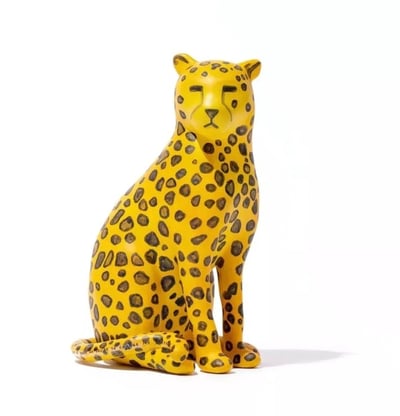
David Shrigley
I Cannot Change My Spots but I Have No Desire to Change My Spots, 2022
Sculpture / Object
Ceramic
EUR 2,850
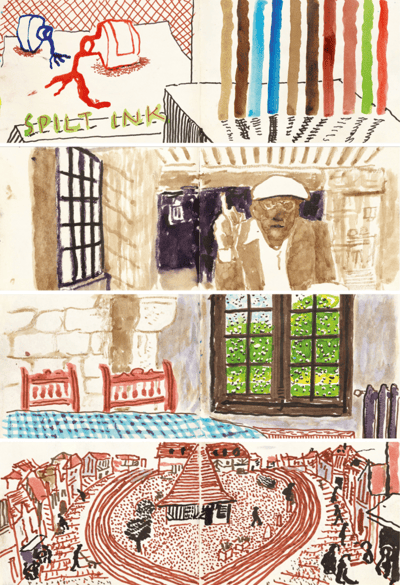
David Hockney
220 for 2020 (Complete Set), 2020
Limited Edition Print
Archival Print
USD 100,000 - 130,000

Damien Hirst
Beautiful, Strongest Possible, Yet Unknown Bursting River Painting, 2023
Painting
Mixed Media
USD 10,350

Peter Doig
Music (2 Trees), 2023
Limited Edition Print
Giclée printing
USD 7,500
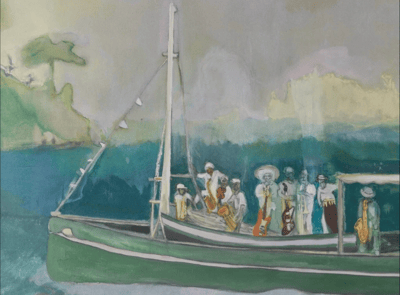
Peter Doig
House of Music (Soca Boat), 2023
Limited Edition Print
Giclée printing
USD 7,500
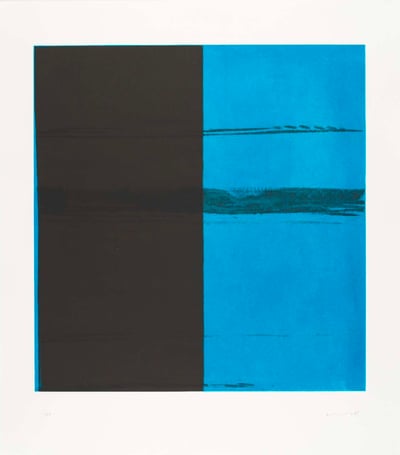
Callum Innes
Lamp Black Cobalt Blue, 2024
Limited Edition Print
Etching and Aquatint
EUR 4,500

Callum Innes
Lamp Black Yellow Gold, 2024
Limited Edition Print
Etching and Aquatint
EUR 4,500
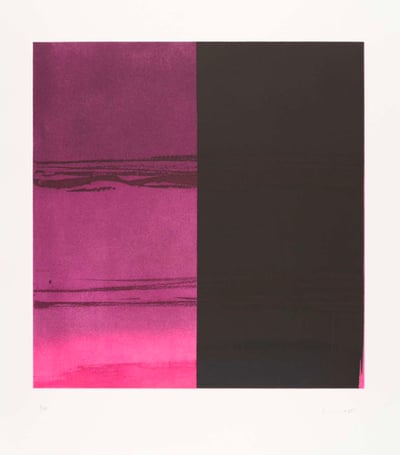
Callum Innes
Lamp Black Magenta, 2024
Limited Edition Print
Etching and Aquatint
EUR 4,500

Callum Innes
Lamp Black Cyan, 2024
Limited Edition Print
Etching and Aquatint
EUR 4,500
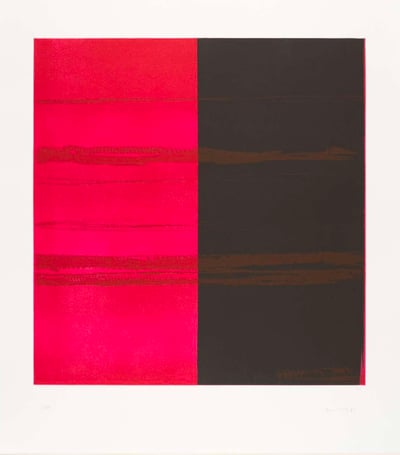
Callum Innes
Lamp Black Scarlet Lake, 2024
Limited Edition Print
Etching and Aquatint
EUR 4,500

Damien Hirst
Mercy - H9-3 (The Virtues), 2021
Limited Edition Print
Mixed Media
GBP 16,500

Damien Hirst
Loyalty – H9-7 (The Virtues), 2021
Limited Edition Print
Giclée printing
GBP 18,000

Damien Hirst
Courage – H9-2 (The Virtues), 2021
Limited Edition Print
Giclée printing
EUR 17,500

David Shrigley
The Plant Loves Me I Am So Lucky, 2023
Limited Edition Print
Screen-print
USD 2,550
Related Articles


Patina is the distinctive greenish surface that bronze develops over time due to exposure to air and humidity. Artists can also apply chemicals to bronze to artificially create patina. Alternatively, bronze can be polished to reveal its natural rich gold color. Patina is not exclusive to bronze; it can also occur on other metals like copper and even on wood and stone, enhancing the material's character over time.

Shock Art is an art movement that uses disturbing images, scents, or sounds to provoke a strong, often shocked, reaction from viewers. It is often regarded as a form of social commentary, with critics and supporters debating whether its impact is positive or negative. Shock Art frequently employs taboo, obscene, or outrageous elements to challenge societal norms and provoke critical thought.

ZERO was an art movement founded by Otto Piene and Heinz Mack, aiming to develop into a large international and cross-border movement. The name ZERO originated from a magazine founded by Heinz Mack in 1957, which became a platform for the group's ideas. The magazine was published for several years before ceasing in 1967. The ZERO movement sought to create a new beginning in art, emphasizing light, space, and movement, and became influential in post-war European art.
Can't find your Answer?
Thank you! Your question has been sent — we'll get back to you shortly.
