
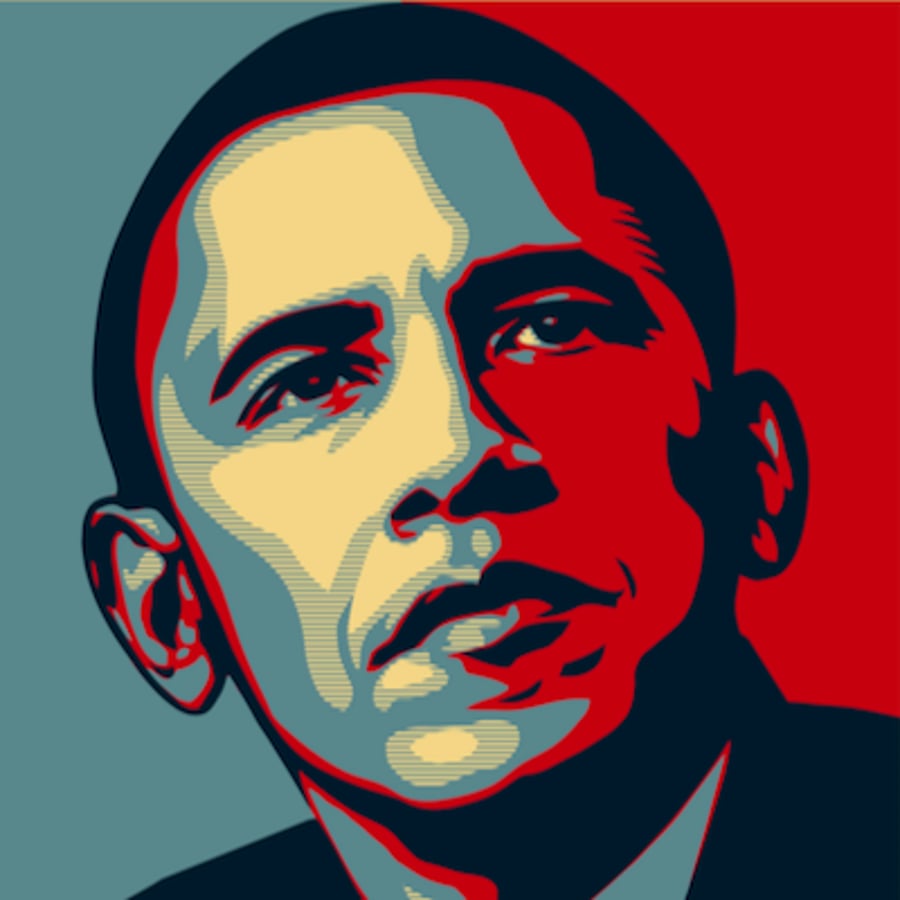
What is appropriation?
- Show All
- Established
- Discoveries
- Show All
Artworks Related to Appropriation

Roy Lichtenstein
Inaugural Print from the Inaugural Impressions portfolio, 1977
Limited Edition Print
Screen-print
USD 25,000 - 35,000
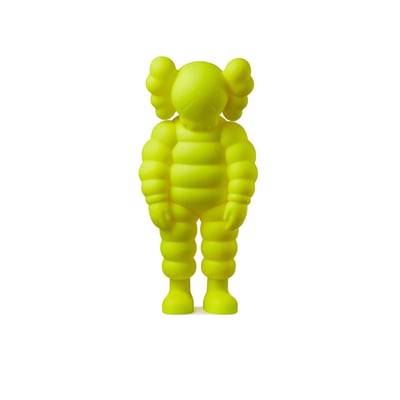
KAWS
What Party Figure - Yellow, 2020
Sculpture / Object
Mixed Media
Inquire For Price

James Rosenquist
Towel, Star, Sunglasses, 1977
Limited Edition Print
Etching
USD 3,750
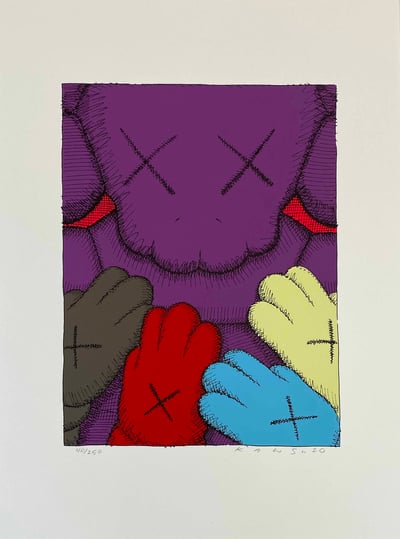
KAWS
Urge (8), 2020
Limited Edition Print
Silkscreen
USD 14,250
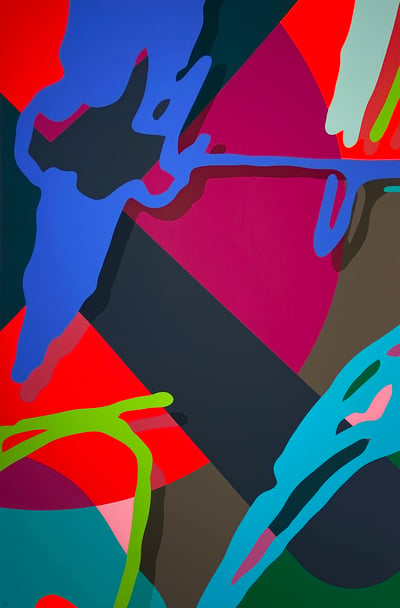
KAWS
Tension #4, 2019
Limited Edition Print
Serigraph
USD 15,400
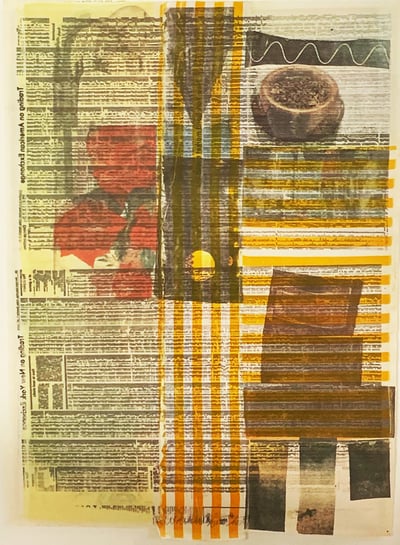
Robert Rauschenberg
One More & We Will Be More Than Halfway There, 1979
Limited Edition Print
Screen-print
USD 4,350
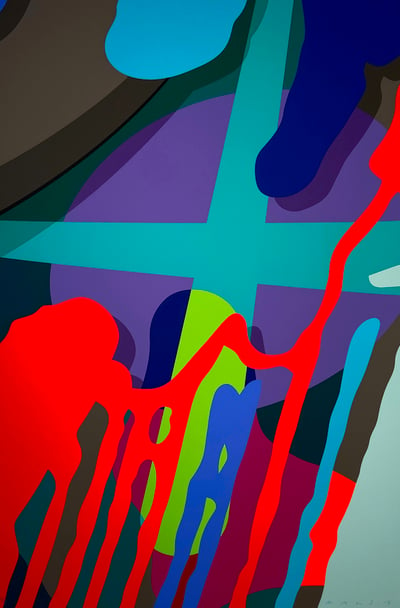
KAWS
Tension #6, 2019
Limited Edition Print
Serigraph
USD 15,400
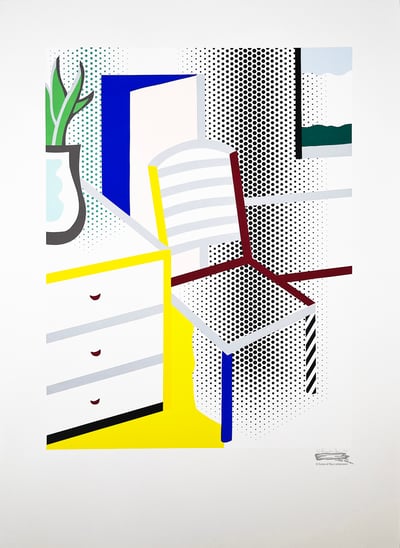
Roy Lichtenstein
Interior with Chair from the Leo Castelli 90th Birthday portfolio, 1997
Limited Edition Print
Screen-print
USD 30,000 - 40,000

Jim Dine
The Magnets, 2010
Limited Edition Print
Collage
USD 18,700

Damien Hirst
Viagra Pink (S), 2014
Sculpture / Object
Mixed Media
USD 8,950
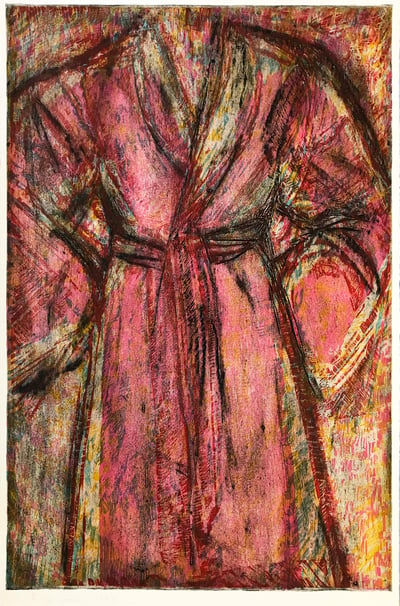
Jim Dine
Rosy Robe, 1998
Limited Edition Print
Woodcut
USD 20,700
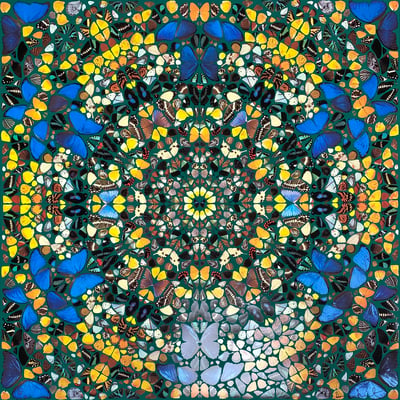
Damien Hirst
Cathedral (Non) D/D St Paul, 2007
Limited Edition Print
Screen-print
USD 30,000 - 40,000
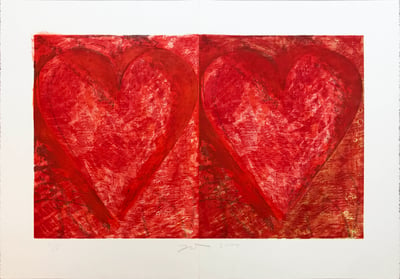
Jim Dine
Jam and Jelly, 2000
Limited Edition Print
Mixed Media
USD 16,500
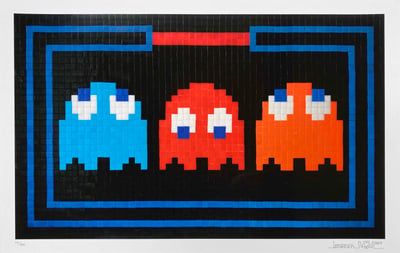
Invader
Prisoner
Limited Edition Print
Giclée printing
USD 12,950
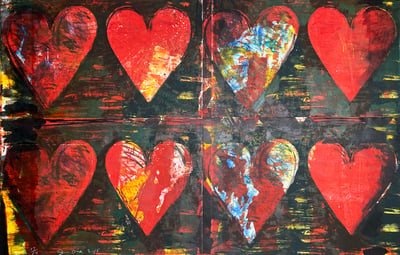
Jim Dine
Chartres - Second Version, 2015
Limited Edition Print
Mixed Media
USD 20,000 - 30,000
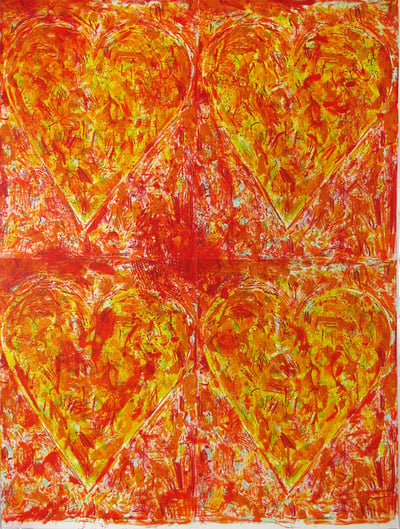
Jim Dine
The Red Patch, 2005
Limited Edition Print
Lithograph
USD 18,900
Related Articles
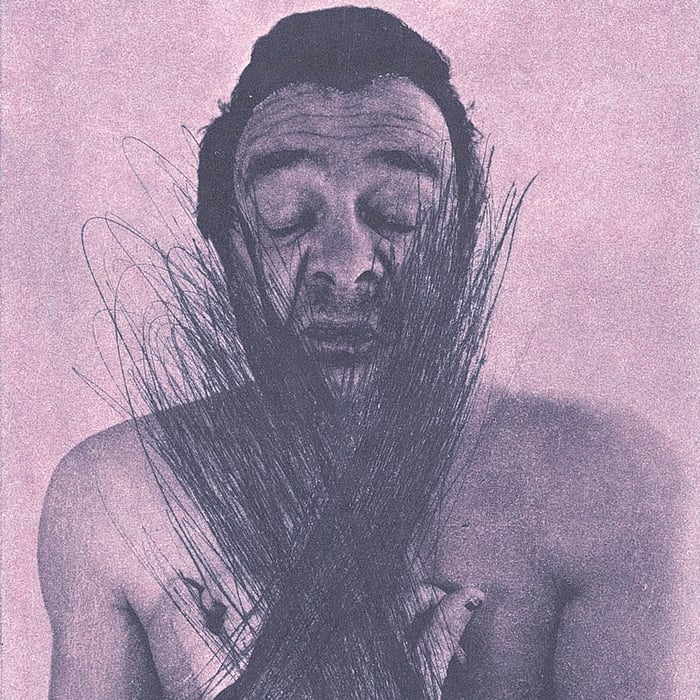

Cynical Realism is a term first used in 1992 by art critic Li Xianting to describe a group of Beijing artists who created satirical social realist paintings. The group aimed to depict the psychological turmoil experienced in China as the country grappled with new political ideologies.

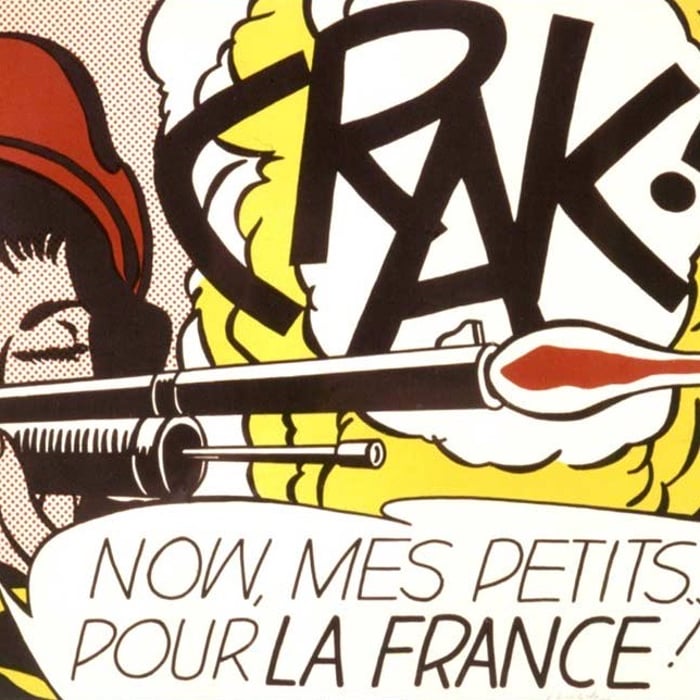
Young British Artists (YBAs), also known as Britart or Brit artists, refers to a group of artists who began exhibiting together in London in 1988. Most of them graduated from the BA Fine Arts course at Goldsmiths in the late 1980s. The YBAs are known for their wild lifestyles, use of unconventional materials, and a combination of entrepreneurial and oppositional attitudes. They dominated the British art scene in the 1990s and gained significant media attention. Many of these artists were initially supported and collected by Charles Saatchi, a key figure in their rise to prominence.
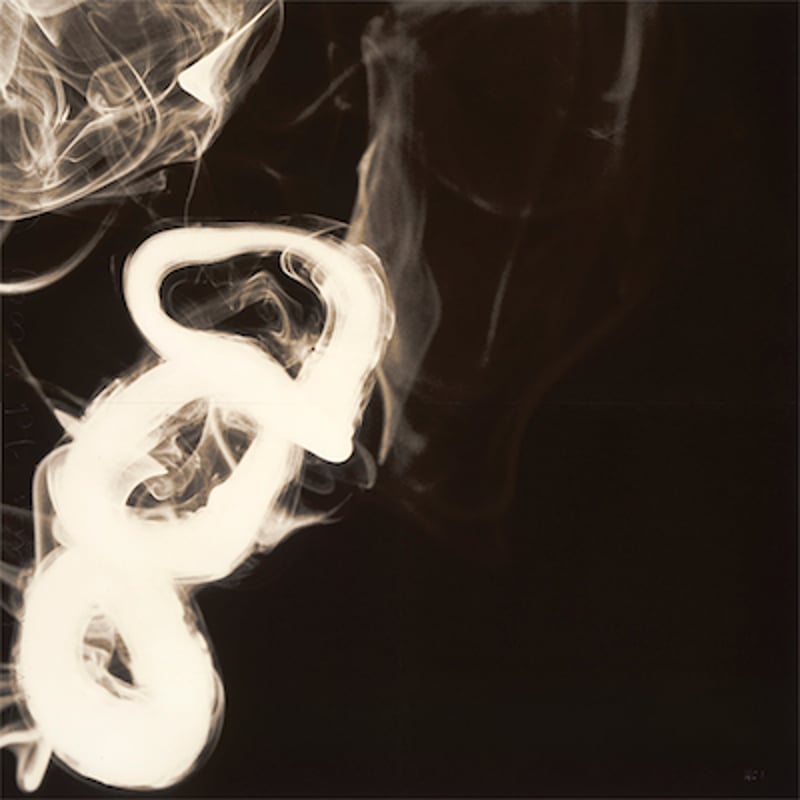
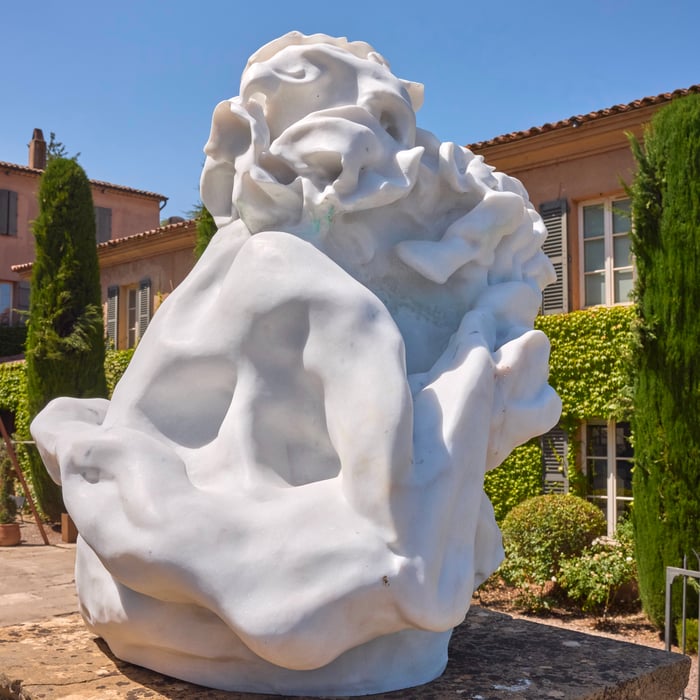
An archival print refers to a fine art reproduction of museum quality, created using the highest quality materials and methods. These prints are produced on the finest papers and with inks specifically designed to resist color fading over time. Drawings and paintings are reproduced using a fine art printer with exceptionally high resolution, ensuring longevity and preservation of the artwork.
Can't find your Answer?
Thank you! Your question has been sent — we'll get back to you shortly.
