

What is a/the composition?
Composition refers to the arrangement of elements within an artwork. The artist carefully organizes these elements to create a harmonious or intentionally dynamic relationship. Traditional approaches to composition often follow classical, geometric principles, while contemporary movements may experiment with new arrangements and adjustments, breaking away from conventional rules to achieve different visual effects.
Related Articles
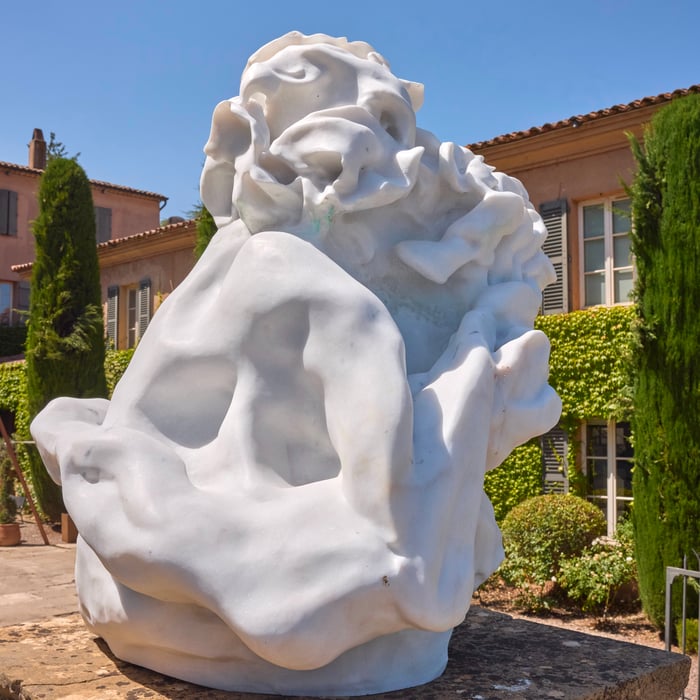


Transavanguardia is the Italian version of Neo-Expressionism, referring to an art movement that emerged in Italy and other parts of Western Europe during the 1970s and 1980s. The term translates to beyond the avant-garde. Transavanguardia arose as a reaction against the dominance of conceptual art, reintroducing emotion and reviving painting as a primary medium. The movement marked a return to mythic imagery and figurative art, celebrating a rediscovery of traditional forms and themes in a contemporary context.
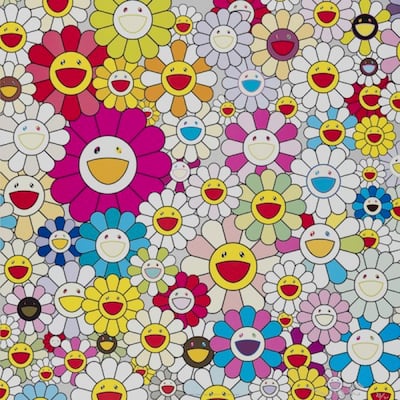
Superflat is an art movement founded by Takashi Murakami, heavily influenced by anime and manga. The term Superflat refers to the flattened forms found in Japanese animation, graphic art, fine arts, and pop culture, as well as the perceived superficiality of Japanese culture. Murakami's movement, which he self-proclaimed, is considered postmodern and critiques both the depth and shallowness of contemporary Japanese society. Superflat has been highly influential in bridging the gap between high art and popular culture.

Provenance refers to the chronology of ownership, location, or custody of an artwork. Tracing an object's provenance helps establish its authenticity and historical context by documenting its ownership history, storage locations, and custody over time. This process often involves expert opinions, comparative analysis, and scientific testing to provide evidence of the artwork’s origin and history.
Can't find your Answer?
Thank you! Your question has been sent — we'll get back to you shortly.
