

What is avant-garde?
- Show All
- Established
- Discoveries
- Show All
Artworks Related to Avant-garde
Andy Warhol
Private Listing
Painting
Andy Warhol
Private Listing
Limited Edition Print
Andy Warhol
Private Listing
Limited Edition Print
Andy Warhol
Private Listing
Limited Edition Print
Andy Warhol
Private Listing
Limited Edition Print
Andy Warhol
Private Listing
Limited Edition Print
Andy Warhol
Private Listing
Limited Edition Print
Andy Warhol
Private Listing
Drawing / Watercolor
Andy Warhol
Private Listing
Drawing / Watercolor
Andy Warhol
Private Listing
Drawing / Watercolor
Andy Warhol
Private Listing
Limited Edition Print

Andy Warhol
Cowboys and Indians: Plains Indian Shield II.382, 1986
Limited Edition Print
Screen-print
USD 30,000 - 42,000
Andy Warhol
Private Listing
Limited Edition Print
Andy Warhol
Private Listing
Limited Edition Print

Andy Warhol
Wild Raspberries IV.136A (Roast Iguana), 1959
Limited Edition Print
Offset Print
USD 8,900

Andy Warhol
Liz, II.7, 1967
Limited Edition Print
Offset Print
Currently Not Available
Related Articles
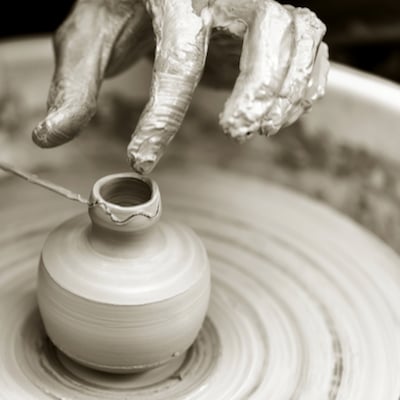
Ceramics is an art form that involves creating objects from clay. The clay is shaped, molded, and formed by hand or with specialized tools, then baked (or fired) in a high-temperature oven called a kiln. Decorative colors and special glazes can be applied to the surface, which are then fired again to finish the piece.

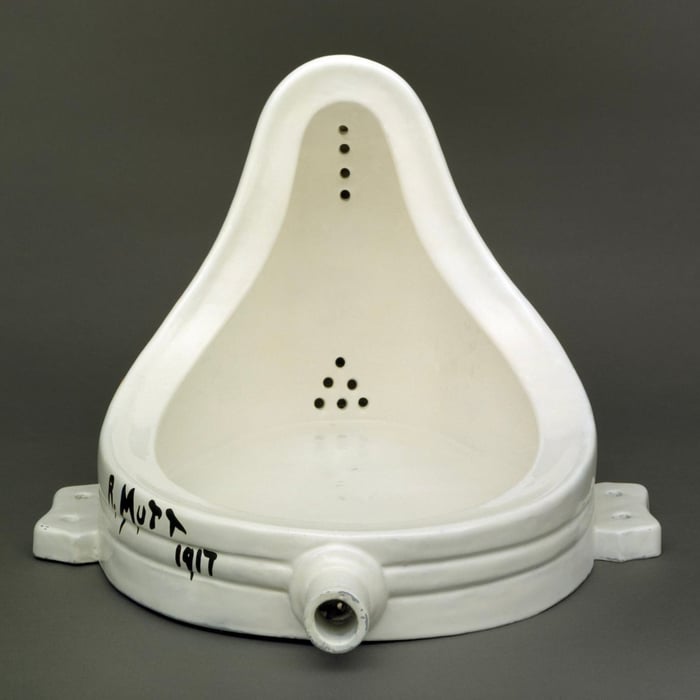
A replica is a copy of an artwork that is so precisely made that it is nearly indistinguishable from the original. Artists may create replicas of their own work, or replicas can be produced for educational purposes, preservation, or display when the original cannot be shown. While replicas aim to closely mimic the original, they are usually identified as reproductions rather than original works.

Oil on paper is a technique that allows painters to use economical paper without needing to apply a primer before painting. Artists can combine oil paints with solvents to achieve effects similar to watercolor, such as color washes, spattering, and mingling of colors with thinned paint.
Can't find your Answer?
Thank you! Your question has been sent — we'll get back to you shortly.
