

James Ensor
© James Ensor. All rights reserved.

James Ensor
Capture of a strange town, 1888
Limited Edition Print
Etching
EUR 15,350

James Ensor
Peste Dessous Peste Dessus Peste Partout!, 1904
Limited Edition Print
Etching
EUR 13,900

James Ensor
La Mare aux Peupliers, 1889
Limited Edition Print
Etching
EUR 3,650

James Ensor
Chaumières, 1888
Limited Edition Print
Etching
EUR 1,495

James Ensor
Les Toits a Ostende, 1903
Limited Edition Print
Etching
Currently Not Available

James Ensor
La Cathédrale, 1896
Limited Edition Print
Etching
Currently Not Available
- James Ensor
Ensor’s unique style combined vibrant, almost garish colors with a loose, dynamic brushwork that challenged traditional aesthetics. His works, such as The Entry of Christ into Brussels in 1889, had a significant influence on later avant-garde movements, including Surrealism and German Expressionism. Rooted in the cultural milieu of his hometown, Ostend, and informed by his skepticism of societal norms, Ensor remains a key figure in the transition from 19th-century realism to the expressive experimentation of the 20th century.
Related Artists


Related Articles

Artists - October 9, 2024
James Ensor: Masks, Skeletons, and Symbolism in Belgian Art
Explore James Ensor’s haunting masks and skeletons in Belgian Symbolism. Discover his satirical, surreal works that delve into mortality, absurdity, and human n…Read More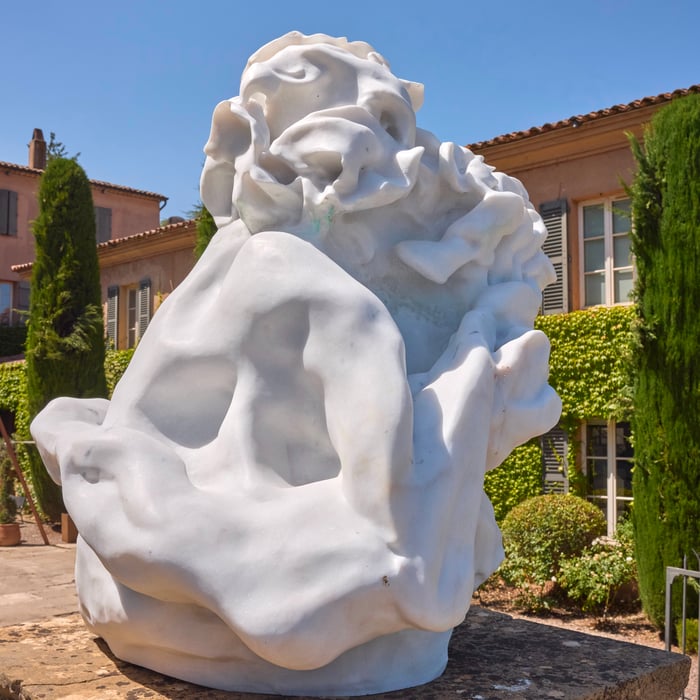
News, Popular, Collecting, Artists - August 12, 2026
In Minor Keys: Finding Intimacy and Identity at the 61st Venice Biennale — and in Your Collection
Explore how Koyo Kouoh’s 61st Venice Biennale vision, In Minor Keys, is shifting contemporary collecting toward quiet introspection, memory, and personal identi…Read More
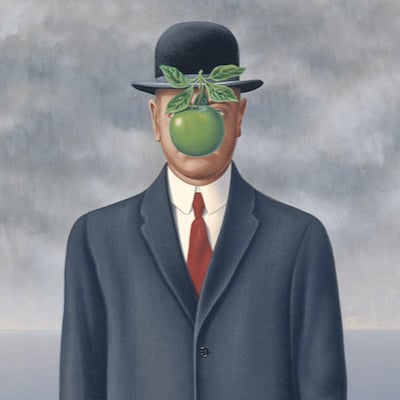 Artwork by Rene Magritte
What is Surrealism?
Surrealism began in the 1920s as an art and literary movement with the goal of revealing the unconscious mind and unleashing the imagination by exploring unusual and dream-like imagery. Influenced by Sigmund Freud’s theories of psychoanalysis, Surrealist artists and writers sought to bring the unconscious into rational life, blurring the lines between realit…
Explore »

