Etching on cream paper, copper plate - hand signed and titled by the artist
- A signature on plate in small letters on the back of a figure at the bottom right.
- A second signature on plate in small letters is engraved with drypoint on the base of the colonnade and erased.
James Ensor's 'Capture of a Strange Town' is an 1888 etching that exhibits his intricate and fantastical style. The artwork depicts a bustling, dreamlike cityscape filled with classical architecture, domes, colonnades, and towering structures. A large crowd, seemingly gathered for a grand spectacle or event, fills the foreground, their detailed forms almost blending into the architecture. The scene is infused with surreal, almost chaotic energy, as beams of light radiate dramatically across the sky, highlighting various structures and adding a sense of otherworldliness to the composition. The intricate line work, typical of Ensor's etchings, creates a dense, detailed scene, where human figures and monumental buildings coexist in a surreal, almost theatrical environment. This work reflects Ensor’s fascination with satire, mystery, and the blending of reality with fantasy.
James Ensor (Belgium, 1860–1949) was a groundbreaking Symbolist painter known for his satirical and macabre works. His use of masks, skeletons, and vibrant colors reflected themes of death, hypocrisy, and the grotesque, influencing early modern art and Expressionism.
EtchingEtching is a technique where a design is created on a metal surface by using a strong acid or mordant to eat away the unprotected parts of the metal, leaving the desired pattern in relief (intaglio). In modern art and manufacturing, different chemicals may be used depending on the material being etched.
Etching on cream paper, copper plate - hand signed and titled by the artist
- A signature on plate in small letters on the back of a figure at the bottom right.
- A second signature on plate in small letters is engraved with drypoint on the base of the colonnade and erased.
James Ensor's 'Capture of a Strange Town' is an 1888 etching that exhibits his intricate and fantastical style. The artwork depicts a bustling, dreamlike cityscape filled with classical architecture, domes, colonnades, and towering structures. A large crowd, seemingly gathered for a grand spectacle or event, fills the foreground, their detailed forms almost blending into the architecture. The scene is infused with surreal, almost chaotic energy, as beams of light radiate dramatically across the sky, highlighting various structures and adding a sense of otherworldliness to the composition. The intricate line work, typical of Ensor's etchings, creates a dense, detailed scene, where human figures and monumental buildings coexist in a surreal, almost theatrical environment. This work reflects Ensor’s fascination with satire, mystery, and the blending of reality with fantasy.
James Ensor (Belgium, 1860–1949) was a groundbreaking Symbolist painter known for his satirical and macabre works. His use of masks, skeletons, and vibrant colors reflected themes of death, hypocrisy, and the grotesque, influencing early modern art and Expressionism.
James Ensor (b. 1860 Belgium, d. 1949 Belgium) was a pioneering Belgian artist whose work bridged the Symbolist and Expressionist movements. Best known for his macabre and fantastical scenes, Ensor often depicted masked figures, skeletons, and bizarre creatures, reflecting his fascination with death, satire, and the absurdity of human existence. He primarily worked in oil painting but also explored etching and drawing.
Ensor’s unique style combined vibrant, almost garish colors with a loose, dynamic brushwork that challenged traditional aesthetics. His works, such as The Entry of Christ into Brussels in 1889, had a significant influence on later avant-garde movements, including Surrealism and German Expressionism. Rooted in the cultural milieu of his hometown, Ostend, and informed by his skepticism of societal norms, Ensor remains a key figure in the transition from 19th-century realism to the expressive experimentation of the 20th century.
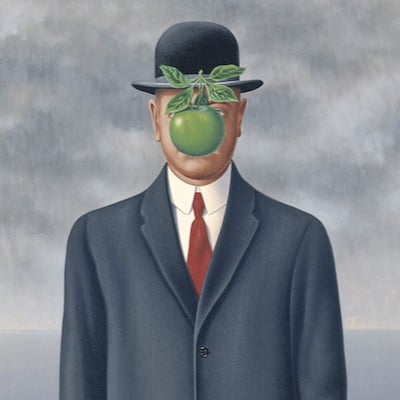
Surrealism began in the 1920s as an art and literary movement with the goal of revealing the unconscious mind and unleashing the imagination by exploring unusual and dream-like imagery. Influenced by Sigmund Freud’s theories of psychoanalysis, Surrealist artists and writers sought to bring the unconscious into rational life, blurring the lines between reality and dreams. The movement aimed to challenge conventional perceptions and express the irrational aspects of the human experience.