

What is avant-garde?
- Show All
- Established
- Discoveries
- Show All
Artworks Related to Avant-garde

Andy Warhol
In The Bottom of my Garden IV.103A, CA. 1956
Limited Edition Print
Lithograph
Inquire For Price

Andy Warhol
Satyric Festival Song, II.387, 1986
Limited Edition Print
Screen-print
USD 50,000 - 60,000

Andy Warhol
Untitled (Mao), from The New York Collection for Stockholm, 1973
Limited Edition Print
Mixed Media
GBP 13,200

Andy Warhol
Campbell's Soup Can: Old Fashioned Vegetable, 1969
Limited Edition Print
Screen-print
GBP 70,000 - 80,000

Andy Warhol
Camouflage F. & S. 410, 1987
Limited Edition Print
Screen-print
GBP 70,000 - 80,000

Andy Warhol
Hammer and Sickle: one plate (see F. & S. 161), 1977
Limited Edition Print
Screen-print
GBP 13,500

Andy Warhol
Orangutan (F. & S. II. 299), 1983
Limited Edition Print
Screen-print
Inquire For Price

Andy Warhol
Marilyn F. S. 30, 1967
Limited Edition Print
Screen-print
GBP 190,000 - 210,000

Andy Warhol
Marilyn F. S. 29, 1967
Limited Edition Print
Screen-print
GBP 250,000 - 290,000

Andy Warhol
Electric Chair (F. & S. II.76), 1971
Limited Edition Print
Screen-print
GBP 19,000 - 25,000

Andy Warhol
Joseph Beuys in Memoriam, 1986
Limited Edition Print
Screen-print
EUR 30,000 - 40,000

Andy Warhol
Hans Christian Andersen (Miller with two Ole Lukojes), 1987
Limited Edition Print
Screen-print
USD 8,400

Andy Warhol
Hans Christian Andersen (Two Women by a Palm Tree with a Ballerina on Top of it), 1987
Limited Edition Print
Screen-print
USD 8,400

Marc Chagall
Jacket Cover for The Lithographs of Chagall, volume I, 1960
Limited Edition Print
Lithograph
USD 6,350

Man Ray
Cadeau (special edition), 1921-1974
Sculpture / Object
Metal
EUR 14,250
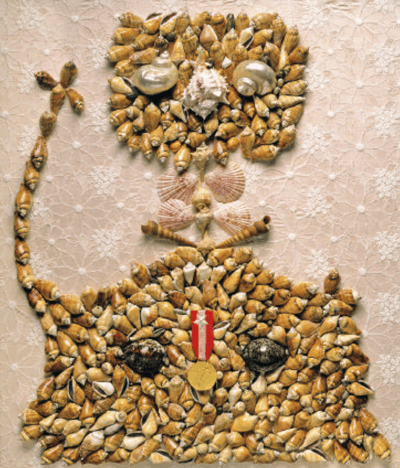
Enrico Baj
Catherine Henriette de Balzac d’Etrague Marquise de Verneuil, 1978
Sculpture / Object
Mixed Media
EUR 9,500
Related Articles

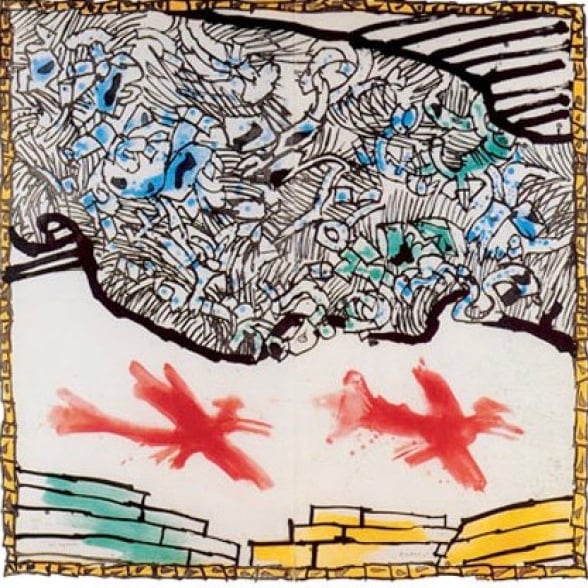
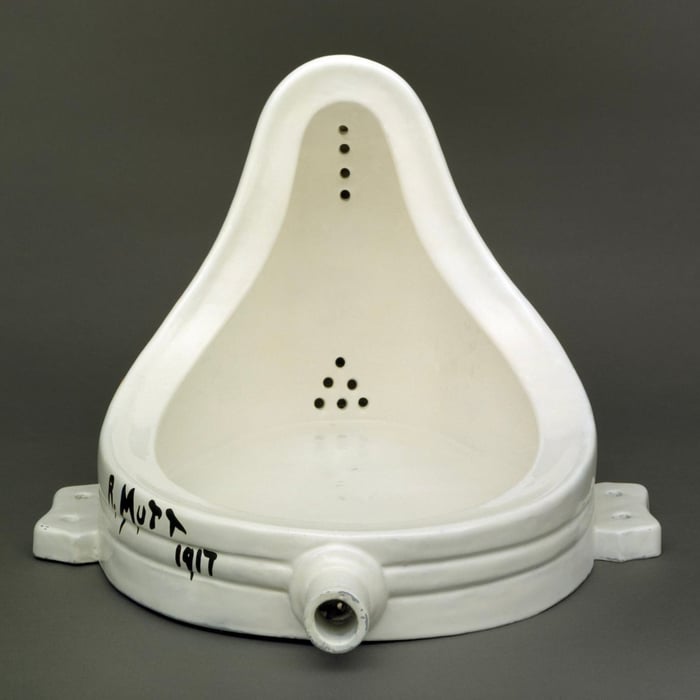

Minimalism is a style in music and visual arts characterized by pared-down designs and simplicity. It began in Western art after World War II, gaining prominence particularly in American visual arts. Minimalism draws heavily on aspects of modernism and is often viewed as a reaction against Abstract Expressionism, as well as a precursor to post-minimal art practices. Prominent minimalist artists include Agnes Martin, Donald Judd, Robert Morris, Frank Stella, and Dan Flavin.
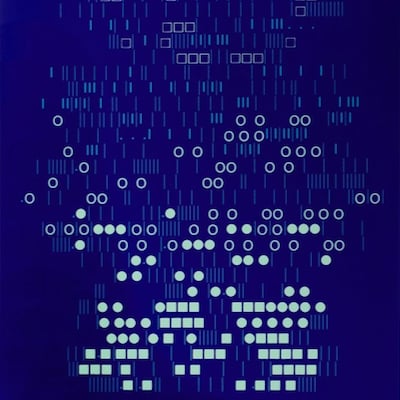
Computer art refers to any type of digital imagery or graphic artwork created using a computer. Art curators often classify art made with computers as either digital art or new media art. Artists creating computer art leverage technological advancements to produce complex compositions.
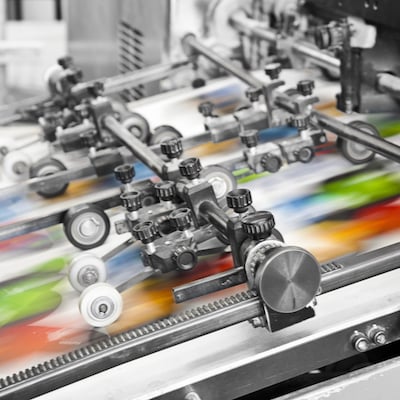
Offset lithography is a printing technique where the inked image is first transferred (offset) from a plate to a rubber blanket and then to the printing surface. This method combines the lithographic process, which relies on the repulsion of water and oil, to keep non-printing areas ink-free by attracting a water-based film. Offset lithography was originally developed to reduce costs in reproducing artwork and is widely used for high-volume printing due to its efficiency and ability to produce sharp, consistent images.
Can't find your Answer?
Thank you! Your question has been sent — we'll get back to you shortly.
