

What is avant-garde?
- Show All
- Established
- Discoveries
- Show All
Artworks Related to Avant-garde

Andy Warhol
Vote McGovern, 1972
Limited Edition Print
Serigraph
USD 39,500

Andy Warhol
Mao (F. & S. II.97), 1972
Limited Edition Print
Silkscreen
USD 70,000 - 85,000

Man Ray
Cactus Diamond , 1969
Limited Edition Print
Silkscreen
EUR 4,850

Man Ray
Rue Férou, 1974
Limited Edition Print
Lithograph
EUR 2,500

Man Ray
La Fortune II, 1973
Limited Edition Print
Lithograph
EUR 4,250

Man Ray
Incompris, 1962
Limited Edition Print
Lithograph
EUR 3,660
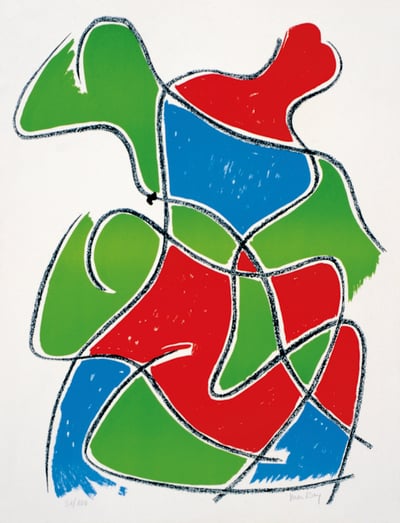
Man Ray
Tre Figure, 1968
Limited Edition Print
Lithograph
EUR 3,450

Enrico Baj
Horatius Nelson duke of Bronte, 1972
Limited Edition Print
Mixed Media
EUR 8,350

Enrico Baj
Sull’acqua (book), 2003
Sculpture / Object
Mixed Media
EUR 7,300

Enrico Baj
The golden Roll-Dragster, 1986
Sculpture / Object
Mixed Media
EUR 5,200

Enrico Baj
Untitled (Wooden Figure), 1980
Limited Edition Print
Mixed Media
EUR 2,100

Enrico Baj
Mic-Mac, danseus mecanique, 2001
Limited Edition Print
Collage
EUR 1,650

Enrico Baj
Maternità, 1974
Sculpture / Object
Mixed Media
EUR 4,850

Enrico Baj
Busto, 1969
Sculpture / Object
Acrylic sculpture
EUR 3,900

Enrico Baj
Testa d’uomo, 1969
Sculpture / Object
Acrylic sculpture
EUR 3,900

Enrico Baj
Figura in ginocchio, 1969
Sculpture / Object
Acrylic sculpture
EUR 3,900
Related Articles
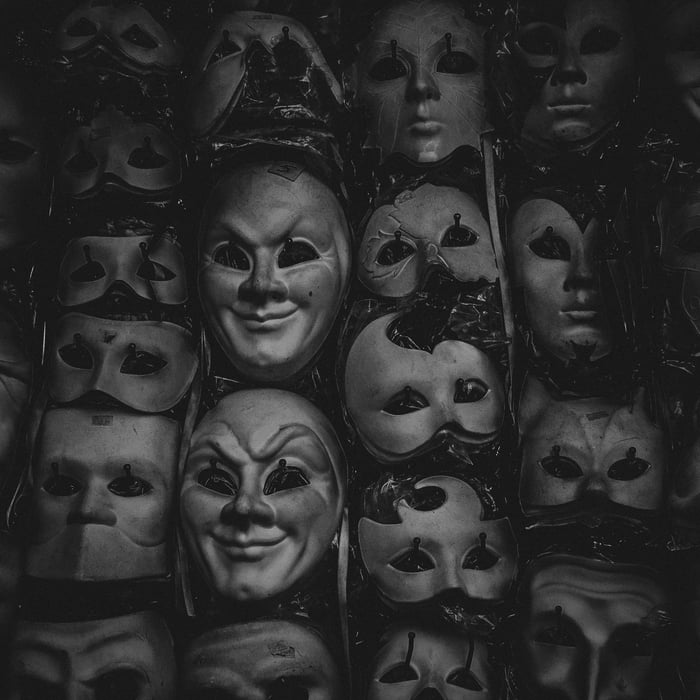
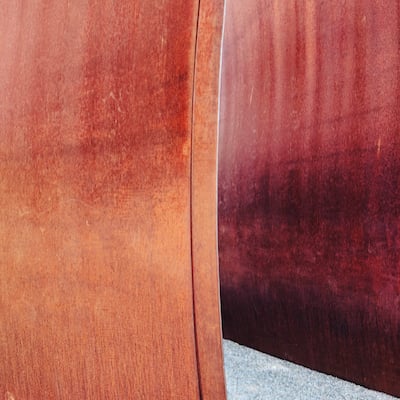
An object with distinctive or unusual qualities that naturally draws attention and prompts discussion among people.
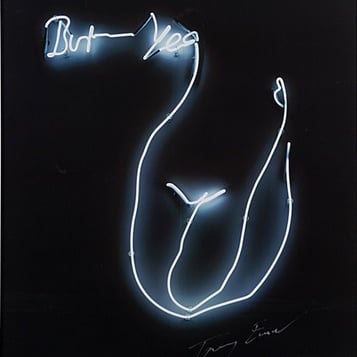
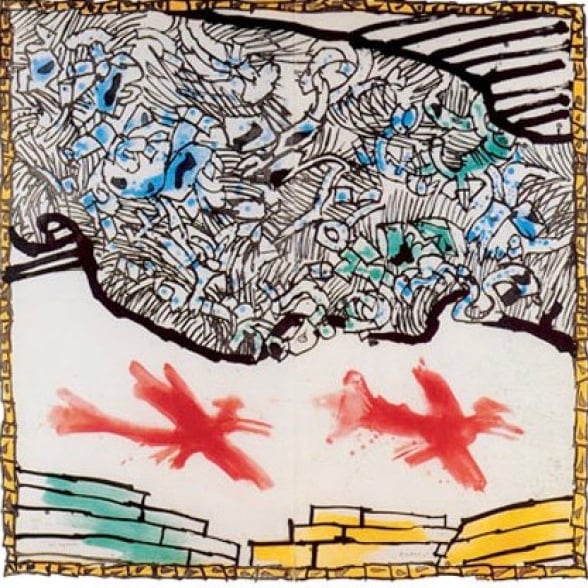
Feminist art refers to the art that emerged from the feminist art movement during the 1960s and 1970s. It developed with the intention of critiquing 20th-century gender ideals and challenging the traditional canon of art history. Feminist art seeks to create a dialogue between the artwork and the viewer through a feminist lens, often addressing issues of gender, identity, and social justic
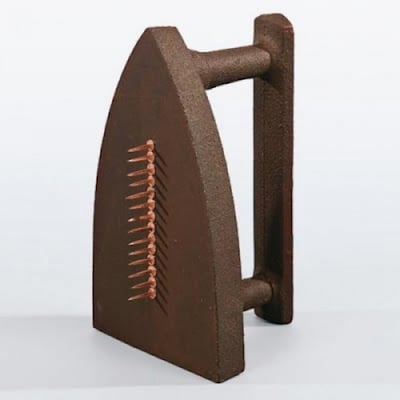
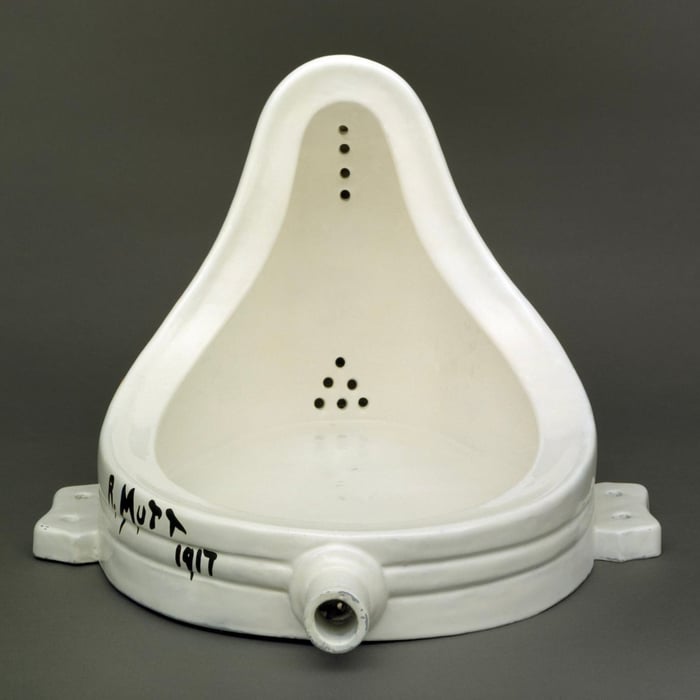
Readymade is the term coined by French artist Marcel Duchamp to describe artworks created from manufactured objects. Duchamp selected ordinary, functional items that he felt had visual indifference, turning them into art simply by choosing and presenting them in a new context. This concept challenged traditional notions of art and continues to influence artists who adopt similar approaches today.
Can't find your Answer?
Thank you! Your question has been sent — we'll get back to you shortly.
